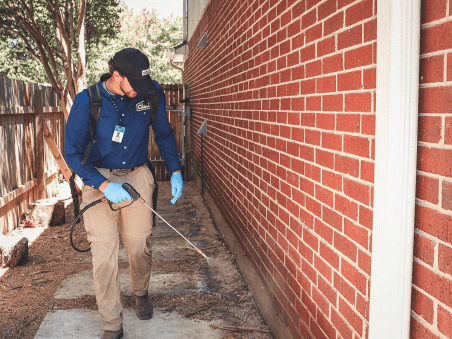
Pestswhether insects, rodents, or other unwanted creatures—have been a nuisance to humans for centuries. They invade our homes, damage our crops, and pose serious health risks. Effective pest management is not just about maintaining aesthetics or comfort; it is a critical component of public health, food security, and environmental sustainability. This article explores the importance of pest management, common pests, and effective strategies to keep them under control.
What is Pest Management?
Pest management refers to the process of identifying, controlling, and preventing pests from causing harm to humans, property, and the environment. By using a combination of methods, pest management ensures minimal disruption while maintaining ecological balance.
Understanding the Problem: Common Pests and Their Impact
- Household Pests
- Cockroaches: Known to carry diseases such as salmonella and E. coli, cockroaches are one of the most common household pests. Their presence can exacerbate asthma and allergies.
- Ants: While some ants are harmless, others like carpenter ants can cause structural damage by tunneling through wood.
- Bed Bugs: These tiny insects feed on human blood, causing itchy welts and leading to sleepless nights. Infestations can spread quickly if not addressed.
- Agricultural Pests
- Locusts: Swarms of locusts can devastate crops, leading to food shortages and economic losses.
- Weevils: These pests infest stored grains, reducing food quality and leading to significant wastage.
- Rodents
- Mice and Rats: Not only do rodents consume and contaminate food supplies, but they also spread diseases such as hantavirus and leptospirosis. Additionally, their gnawing can cause fires by damaging electrical wires.
The Importance of Pest Management
Pest management is crucial for several reasons:
- Health Protection: Many pests carry diseases that can be transmitted to humans. For instance, mosquitoes are vectors for malaria, dengue, and Zika virus, while rodents spread leptospirosis and hantavirus.
- Economic Impact: Pests can cause extensive damage to homes, businesses, and agricultural products. Effective pest management prevents financial losses and protects investments.
- Environmental Balance: Overuse of chemical pesticides can harm beneficial organisms and disrupt ecosystems. Integrated Pest Management (IPM) promotes sustainable practices that minimize environmental harm.
Effective Pest Management Strategies
- Prevention
- Seal Entry Points: Inspect your property for cracks, holes, and gaps that pests can use to enter. Use caulk, steel wool, or other appropriate materials to seal these openings.
- Proper Sanitation: Keep your surroundings clean to deter pests. Store food in airtight containers, dispose of garbage regularly, and ensure drains are free from debris.
- Remove Standing Water: Mosquitoes breed in stagnant water. Empty unused containers, fix leaky pipes, and maintain proper drainage systems.
- Biological Control
- Introduce natural predators or competitors to control pest populations. For example, ladybugs can help manage aphids in gardens, and certain fish species can control mosquito larvae in water bodies.
- Chemical Control
- Use pesticides judiciously and as a last resort. Choose products that target specific pests to minimize harm to non-target organisms and the environment.
- Integrated Pest Management (IPM)
- IPM combines various methods—biological, cultural, physical, and chemical—to control pests in a sustainable manner. It emphasizes monitoring and prevention over reactive measures.
- Professional Services
- Sometimes, the scale of an infestation requires professional intervention. Pest management experts have the knowledge and tools to handle severe infestations effectively and safely.
The Role of Technology in Pest Management
Advances in technology have revolutionized pest management:
- Smart Traps: IoT-enabled traps can monitor and report pest activity in real-time, allowing targeted interventions.
- Drones: Used in agriculture, drones can monitor large areas for pest activity and even apply treatments with precision.
- Genetic Engineering: Scientists are exploring genetically modified organisms to control pest populations, such as sterile male mosquitoes to reduce breeding.
Balancing Control and Conservation
While controlling pests is essential, it is equally important to consider their role in ecosystems. For example, some insects that we consider pests, like bees, are crucial for pollination. Ethical pest management involves distinguishing between harmful and beneficial species and adopting practices that minimize harm to the environment.
Conclusion
Pests are more than just an annoyance; they pose significant threats to health, property, and the environment. However, with the right knowledge and strategies, effective pest management is achievable. By taking proactive measures, embracing sustainable practices, and leveraging modern technology, homeowners and businesses can create safe, pest-free environments while preserving ecological balance. Remember, pest management is not a one-time task but an ongoing commitment to vigilance and responsibility.
FAQs About Pest Management
- Why is pest management important? Pest management is essential to protect health, property, and the environment from the harmful effects of pests.
- What are some common methods of pest management? Methods include prevention, biological control, chemical control, and integrated pest management (IPM).
- When should I call a pest management professional? If the infestation is severe or persists despite your efforts, it’s best to consult a pest management expert.