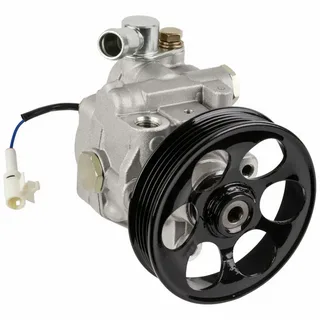
When it comes to the thrilling ride of a Mazda 6 MPS, the last thing you want is for your steering system to throw a wrench in the works. The power steering pump plays an essential role in ensuring smooth and responsive handling that makes every twist and turn feel effortless. But what happens when this vital component starts acting up? Whether you’re a dedicated Mazda enthusiast or just someone looking to enhance their driving experience, understanding the ins and outs of the MPS Power Steering Pump can save you from unexpected headaches down the road.
What is the Mazda 6 MPS power steering pump?
The Mazda power steering pump is a crucial component that ensures your driving experience remains effortless and enjoyable. This little powerhouse helps navigate the car’s weight, making sharp turns feel like a breeze. It uses hydraulic pressure to assist in steering, allowing drivers to maneuver with precision.
When you turn the steering wheel, the power steering pump springs into action. It sends fluid through hoses to the steering gear, amplifying your effort for smooth handling. Whether you’re cruising down the highway or weaving through city traffic, this pump makes every drive more manageable.
Designed specifically for performance-oriented models like the MPS (Mazda Performance Series), this power steering system balances agility and control seamlessly. The engineers have fine-tuned it to deliver optimal responsiveness while ensuring durability under varying conditions.
What sets it apart from standard pumps is its ability to handle increased demands without compromising reliability. High-performance driving often means tighter corners and quicker responses—all of which hinge on how efficiently this vital piece operates.
In essence, understanding what makes up the Mazda 6 MPS power steering pump can empower you as a driver—whether you’re pushing boundaries on a track day or simply enjoying your daily commute.
Common issues with the Power Steering Pump
The power steering pump in your Mazda 6 MPS plays a crucial role in smooth driving. However, like any mechanical component, it can encounter problems over time. One common issue is fluid leaks. If you notice puddles of reddish fluid under your car, the pump might be failing.
Strange noises are another red flag to watch for. A whining or groaning sound during turns often indicates low power steering fluid levels or potential pump failure. Ignoring these sounds may lead to more severe issues down the line.
Overheating can also affect performance. When the pump gets too hot, it can lead to diminished responsiveness and strain on other components of the steering system. This could eventually result in complete failure if not addressed promptly.
Another frequent problem is erratic steering behavior. If you find that your steering feels stiff at times and overly loose at others, it’s likely due to an underlying issue with the power steering pump or its associated parts.
An illuminated dashboard warning light shouldn’t be overlooked. It often signals a malfunction within the power steering system and deserves immediate attention from a professional mechanic before further damage occurs.
Key Features of the Power Steering Pump
The Power Steering Pump stands out with its impressive design and functionality. Crafted to deliver precise power assistance, it enhances your Mazda 6’s steering response. Every twist of the wheel feels effortless, making even tight corners a breeze.
One key feature is its variable displacement technology. This innovation allows the pump to adjust fluid flow based on driving conditions. Whether you’re cruising down the highway or navigating city streets, you’ll experience optimum performance that adapts seamlessly.
Durability is another highlight of this power steering pump. Built from high-quality materials, it withstands wear and tear, ensuring longevity in various environments. Rain or shine, your steering will remain smooth without compromising efficiency.
Noise reduction features also set this pump apart. Unlike some models that can be clunky and loud during operation, the Power Steering Pump minimizes noise levels significantly for an enjoyable ride.
Easy installation adds to its appeal. Designed as a direct fit replacement part for Mazda 6 vehicles, you won’t need extensive modifications or tools to get started—just straightforward handling for peace of mind while enhancing performance.
Diagnosing the Power Steering Pump Issues
Diagnosing issues with the power steering pump can be a straightforward process, but it requires keen observation. Start by paying attention to any unusual sounds when you turn the wheel. A whining or groaning noise often indicates low fluid levels or air trapped in the system.
Next, check for leaks around your pump and hoses. Fluid pooling under your vehicle is a red flag that something needs immediate attention. Keep an eye on how easily you can steer; if it feels heavy or sticky, that’s another sign of trouble lurking beneath the surface.
Don’t underestimate the importance of fluid condition either. Old or dirty fluid can create more problems than just poor performance—it might lead to premature wear inside your pump. Use a clean cloth to inspect its color and consistency.
Another effective way to diagnose power steering issues is by evaluating performance at different speeds—does it feel inconsistent? If so, you may have a failing component within the system.
Consider consulting diagnostic tools designed for this purpose. They can provide error codes and help pinpoint where things are going awry in your MPS power steering setup.
Preventive Maintenance for Mazda 6 Power Steering Pump
Preventive maintenance for your Mazda 6 power steering pump is essential to ensure smooth and responsive handling. Regular checks can save you from costly repairs down the line. Start by inspecting the power steering fluid levels. Make sure they are topped up as needed, using the recommended fluid type.
Next, examine the hoses connected to your power steering system. Look for any signs of wear or leaks that could lead to bigger problems if left unaddressed. Tightening loose connections is also a quick fix that can prolong the life of your pump.
Don’t forget about flushing out old fluid periodically! This helps eliminate contaminants that might cause damage over time. A clean system will operate more efficiently and enhance responsiveness when turning.
Listening closely while driving can provide crucial insight into potential issues too. Unusual noises like whining during turns may indicate low fluid levels or air trapped in the system.
Consider scheduling regular check-ups with a professional mechanic who understands MPS systems well. They’ll be able to catch minor problems before they escalate into major headaches, keeping your ride smooth and enjoyable.
Troubleshooting the Power Steering Pump
Troubleshooting a power steering pump can feel like solving a puzzle. The first clue often comes from noise. If you hear whining or grinding sounds, it’s your car’s way of signaling distress. These noises are like alarm bells, urging you to investigate further.
Next, check the fluid level in the reservoir. Low fluid could mean leaks or seepage somewhere in the system. Always use the recommended type of power steering fluid for optimal performance; mixing different types can lead to more significant issues.
If you notice difficulty turning the wheel, that’s another red flag. Steering should be smooth and responsive, so if it feels stiff or jerky, something is amiss with your pump’s functionality.
Look closely at any visible hoses and connections for wear and tear. Cracks or bulges might indicate they need replacing before they cause bigger problems down the road.
Factors to consider when selecting a Power Steering Pump
Choosing the right power steering pump can make all the difference in your driving experience. Start by considering compatibility with your Mazda 6 model. Not every pump fits every car, so double-check specifications to ensure a perfect match.
Next, think about the quality of materials used. A durable construction will not only improve performance but also extend the lifespan of the pump. Look for pumps made from high-quality metals and resistant plastics that can withstand intense pressure and heat.
Price is another key factor, but don’t sacrifice quality for lower costs. Sometimes going for a reputable brand might save you money in repairs down the line. It’s worth investing in something reliable rather than risking frequent replacements.
Pay attention to warranties as well; they reflect manufacturer confidence in their products. A solid warranty often indicates that you’re purchasing a trustworthy item backed by support should anything go wrong.
Conclusion
Understanding the intricacies of the MPS power steering pump can transform your driving experience. This component plays a crucial role in ensuring smooth and effortless steering, allowing you to navigate tight corners with confidence. Ignoring signs of trouble may lead to bigger issues down the line. Regular check-ups and maintenance are vital for keeping your car’s systems running at their best. The last thing you want is to be stranded due to a preventable failure. When it comes time for replacement or upgrades, selecting the right power steering pump is essential.
FAQS
What is the MPS power steering pump?
The MPS power steering pump is an essential component of your vehicle’s steering system. It helps to provide the necessary hydraulic pressure for smooth and responsive steering, ensuring that you can navigate corners and turns with ease.
What are common symptoms of a failing power steering pump?
If you’re experiencing whining noises while turning, difficulty in maneuvering your car, or any fluid leaks beneath the vehicle, these could be signs of a failing power steering pump. Addressing these issues early can prevent further damage.
How often should I perform preventive maintenance on my power steering pump?
Regular checks on your fluid levels and inspections for leaks should be part of your routine maintenance schedule. It’s recommended to check these at least every 5,000 miles or during regular oil changes.
| Related Business Listings |
| Contact Directory |
| Local Business Profiles |