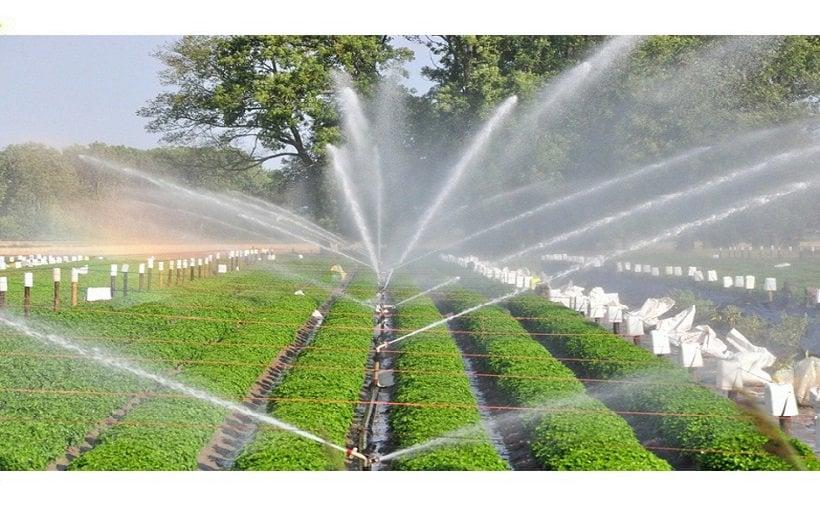
Proper water management is essential for healthy crops, lush gardens, and vibrant landscapes. One of the most efficient methods to achieve this is through sprinkler irrigation. This guide will walk you through the installation and maintenance of a sprinkler irrigation system, highlighting additional options like drip irrigation, fertigation systems, and sustainable practices to enhance efficiency and crop yield.
What is Sprinkler Irrigation?
Sprinkler irrigation is a method of watering that simulates rainfall by distributing water evenly over an area through a system of pipes and sprinklers. It is ideal for both agricultural and residential use, providing consistent hydration to crops, lawns, and gardens.
Advantages of Sprinkler Irrigation
- Uniform Coverage: Ensures that every part of the field or garden gets equal water.
- Water Efficiency: Minimizes water wastage and reduces soil erosion.
- Versatility: Suitable for various crops, gardens, and landscapes.
- Automation-Friendly: Can be easily integrated with timers and sensors.
Understanding Drip Irrigation and Its Benefits
While sprinkler irrigation covers larger areas, drip irrigation is perfect for precision watering. A drip irrigation system delivers water directly to the root zone, ensuring optimal moisture levels with minimal waste.
Drip Irrigation: A Closer Look
- Efficiency: Reduces evaporation and runoff, making it ideal for water-scarce regions.
- Customization: Adaptable for different crop types and garden layouts.
- Compatibility: Easily integrated into larger irrigation systems for maximum efficiency.
Whether you’re managing a farm or maintaining a backyard garden, combining drip irrigation with sprinkler systems ensures comprehensive hydration.
How to Install a Sprinkler Irrigation System
Step 1: Plan Your System
- Survey the Area: Measure the space and identify watering needs.
- Design the Layout: Sketch the placement of pipes, sprinklers, and valves.
Step 2: Gather Equipment
- Pipes and Fittings: Ensure they are durable and suited for the soil type.
- Water Sprinklers: Choose from rotary, fixed, or oscillating models based on your area.
- Irrigation Filters: Install filters to prevent clogging and maintain water quality.
Step 3: Installation
- Lay Pipes: Install pipes underground or above ground based on your preference.
- Position Sprinklers: Place sprinklers to cover the area evenly.
- Connect to a Water Source: Attach the system to a reliable water supply and test it.
Step 4: Automate
Enhance convenience by integrating a timer or smart controller for automated watering schedules.
Enhancing Your System with Fertigation Irrigation
What is a Fertigation Irrigation System?
A fertigation irrigation system delivers both water and nutrients to plants through the same network. This method ensures precise fertilization, boosting crop growth and reducing waste.
Benefits of Fertigation
- Efficiency: Combines two essential processes into one.
- Consistency: Ensures even distribution of water and nutrients.
- Cost-Effective: Reduces fertilizer waste and labor costs.
Adding a fertigation system to your sprinkler irrigation system optimizes growth and ensures a healthier yield.
Maintaining Your Sprinkler Irrigation System
Regular Inspection
- Check for Leaks: Inspect pipes and sprinklers for wear and tear.
- Clean Sprinklers: Ensure nozzles are free of debris for consistent spray patterns.
Use Filters
Install and maintain irrigation filters to remove impurities and prevent clogs. Filters are crucial for maintaining water quality in both sprinkler irrigation and drip irrigation systems.
Winterization
If you live in a colder climate, drain the system before winter to prevent freezing damage.
Sustainable Practices for Irrigation Systems
- Solar Cleaning: Use solar-powered tools and techniques for cleaning and maintenance to reduce environmental impact.
- Green Vision Solutions: Incorporate eco-friendly components such as low-flow sprinklers and rain sensors.
- Greenhouses: Pair your irrigation system with a greenhouse to create a controlled environment for year-round cultivation.
FAQs on Sprinkler Irrigation Systems
1. Can I combine a sprinkler system with drip irrigation?
Yes, combining both systems creates a hybrid approach that offers broad coverage and precision watering for different crops or garden zones.
2. What is the role of an irrigation filter?
An irrigation filter removes debris and impurities, preventing clogs and ensuring smooth water flow in both sprinkler and drip systems.
3. How often should I maintain my sprinkler system?
Inspect your system monthly and clean or replace components as needed to ensure optimal performance.
4. Can fertigation be used with sprinklers?
Yes, a fertigation irrigation system can be integrated with sprinklers to deliver water and nutrients simultaneously.
5. Is it necessary to automate my sprinkler irrigation system?
Automation enhances efficiency by scheduling watering times, reducing labor, and preventing over- or under-watering.
Conclusion
Installing and maintaining a sprinkler irrigation system is a valuable investment for any farmer, gardener, or landscaper. Combining this method with drip irrigation and a fertigation irrigation system ensures maximum efficiency, healthier crops, and sustainable water usage.
Incorporate eco-friendly practices such as solar cleaning and leverage Green Vision solutions to make your irrigation system future-ready. Whether you’re managing a field, a greenhouse, or a garden, a well-designed sprinkler irrigation system ensures long-term success and environmental sustainability.