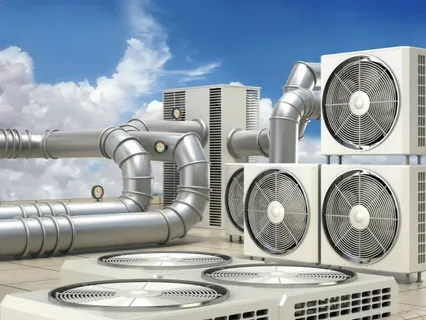
Optimizing your HVAC system has never been more important as energy costs continue to rise. Not only does a well-maintained heating and cooling system enhance comfort, but it also significantly reduces your energy bills. Small changes can yield significant results if you want to save money or reduce your environmental footprint. Numerous strategies are at your disposal, from regular maintenance routines to smart thermostat settings. If you’re ready to transform the efficiency of your HVAC-System while enjoying cozy temperatures year-round, read on for essential energy efficiency tips that will keep you and your wallet happy!
How Regular Maintenance Enhances HVAC Energy Efficiency
Regular maintenance is crucial for keeping your HVAC-System running efficiently. A well-maintained unit can operate at peak performance, ensuring you receive the maximum benefit from every kilowatt of energy used. This means lower utility bills and a healthier environment.
During routine check-ups, technicians inspect vital components like filters, coils, and ductwork. Cleaning or replacing air filters improves airflow and reduces strain on the system. When dust and debris accumulate in the coils, it hampers heat exchange efficiency.
Additionally, regular tune-ups help identify potential issues before they escalate into costly repairs. By catching problems early on, you save money and extend your HVAC-System’s lifespan. Investing time in maintenance pays off with enhanced energy efficiency and overall comfort in your home.
Adjusting Thermostat Settings for Optimal HVAC Energy Savings
Adjusting your thermostat settings is an effective way to enhance the energy efficiency of your HVAC-System. Small changes can yield significant savings on your utility bills. For instance, setting your thermostat just a few degrees higher in summer or lower in winter can make a noticeable difference.
Consider utilizing a programmable thermostat to automate these adjustments throughout the day. You can set it to lower temperatures at night or when you’re away from home, ensuring you’re not wasting energy heating or cooling an empty space.
Remember seasonal transitions! As outdoor temperatures fluctuate, fine-tuning your settings according to changing weather patterns will help maintain comfort while optimizing efficiency. This simple strategy keeps costs and energy usage at bay without sacrificing comfort.
Upgrade to Energy-Efficient HVAC-Systems for Long-Term Savings
Upgrading to energy-efficient HVAC-Systems can significantly reduce your utility bills. Modern units are designed with advanced technology that maximizes performance while consuming less energy. You’ll enjoy a more comfortable indoor environment without the hefty costs.
Many new models feature variable-speed motors and improved heat exchangers, allowing them to adapt to your home’s needs. These enhancements contribute to lower energy consumption and increased reliability over time. Investing in such equipment is not just about immediate comfort; it also pays off in terms of longevity.
Additionally, many states offer incentives or rebates for upgrading to higher-efficiency systems. This financial assistance can ease the initial investment burden, making it easier to choose an environmentally friendly option that benefits your wallet and the planet.
The Role of Insulation in Boosting HVAC Efficiency
Insulation is vital in improving the efficiency of HVAC (Heating, Ventilation, and Air Conditioning) systems. By reducing heat loss or gain, insulation helps maintain comfortable indoor temperatures, directly impacting HVAC-Systems’ performance and energy consumption. Here’s how insulation contributes to HVAC efficiency:
Minimizes Heat Loss and Gain
Insulation helps prevent heat from escaping during the winter and entering during the summer, reducing the workload on HVAC-Systems. By keeping conditioned air inside, insulation ensures that your heating and cooling systems don’t need to work as hard, leading to lower energy consumption.
Improves Temperature Consistency
Well-insulated spaces maintain a consistent temperature by reducing drafts and cold spots. This allows HVAC-Systems to regulate the indoor environment more effectively, ensuring even heating and cooling, which improves comfort and reduces energy waste.
Reduces Energy Bills
By boosting HVAC efficiency, insulation helps reduce the energy needed to heat or cool your home. With less energy, homeowners can expect lower utility bills, making insulation an effective way to save money in the long run.
Decreases HVAC Wear and Tear
With insulation in place, HVAC-systems don’t have to cycle on and off as frequently to maintain the desired temperature. This reduces the system’s wear and tear, prolonging its lifespan and minimizing the need for repairs and maintenance.
How to Seal Leaks for Better HVAC System Efficiency
Sealing leaks in your HVAC System is crucial for maintaining efficiency. Air leaks can lead to significant energy loss, causing your system to work harder and increasing utility bills. Start by inspecting ducts for any visible gaps or cracks. A flashlight can help you spot trouble areas that might otherwise go unnoticed.
Use mastic sealant or metal tape to cover larger holes and ensure a tight seal. For smaller gaps, caulk works wonders around joints and connections, providing an airtight barrier against escaping air. Don’t forget the areas where ductwork meets vents; these spots are often overlooked but can be major culprits of inefficiency.
Checking for leaks regularly should be part of your HVAC maintenance routine. This proactive approach not only enhances performance but also prolongs the lifespan of your system while keeping your indoor environment comfortable year-round.
Programmable Thermostats: A Simple Way to Save HVAC Energy
Programmable thermostats are game-changers for energy efficiency. They allow you to set specific temperatures based on your schedule, ensuring that your HVAC-System runs only when needed. This means less energy waste and lower utility bills.
You can easily program different settings for weekdays and weekends, adapting to your lifestyle. For instance, you might want a more extraordinary home during the day while you’re at work but prefer warmth in the evenings. You can have comfort tailored to your routine with just a few taps.
Many modern programmable models have Wi-Fi connectivity, enabling remote adjustments via smartphone apps. This feature is perfect for those unexpected changes in plans or if you forgot to adjust the thermostat before leaving home.
Energy-Efficient Filters: How to Improve HVAC-System Performance
Choosing the right filter for your HVAC-System can significantly affect its performance. Energy-efficient filters trap more dust, allergens, and pollutants than standard ones. Doing so allows for better airflow while reducing strain on the system.
Regularly replacing these filters is vital to maintaining efficiency. Clogged or dirty filters restrict airflow, forcing your HVAC unit to work harder. This not only increases energy consumption but also shortens the lifespan of your equipment.
Investing in high-efficiency particulate air (HEPA) filters can enhance indoor air quality. They capture even smaller particles, making your home healthier and more comfortable.
How to Clean and Maintain HVAC Coils for Better Efficiency
Cleaning your HVAC coils is essential for optimal efficiency. Dust and debris can accumulate on the evaporator and condenser coils, making it harder for your system to cool or heat your home effectively. Regular maintenance helps prevent this buildup.
To clean the coils, first turn off your HVAC-System. Use a soft brush or vacuum with a brush attachment to gently remove dirt. For stubborn grime, a mixture of mild soap and water can work wonders; just be careful not to damage the fins.
After cleaning, inspect the coil fins for any bends or damage that could hinder airflow. If necessary, use a fin comb to straighten them out. By keeping these components clean and in good shape, you significantly enhance the overall performance of your HVAC.
When to Schedule HVAC Tune-Ups for Maximum Energy Savings
Scheduling regular HVAC tune-ups is essential for maintaining energy efficiency. Ideally, you should plan these check-ups twice a year—once in the spring and once in the fall. This timing ensures your system operates optimally before heavy usage during summer and winter.
Keep an eye on your unit’s performance as well. If you notice unusual noises or rising energy bills, call a professional sooner rather than later. Ignoring these signs can lead to costly repairs down the line.
Seasonal changes can impact your HVAC-System’s efficiency, so proactive maintenance is key. By investing time in routine tune-ups, you’ll improve comfort levels and extend the life of your equipment while enjoying significant savings on energy costs over time.
Conclusion
Optimizing your HVAC system is crucial for achieving energy efficiency and reducing utility bills. Regular maintenance, adjusting thermostat settings, upgrading to energy-efficient units, proper insulation, sealing leaks, and using programmable thermostats are just a few strategies to enhance performance. By keeping your system well-maintained and making minor changes to your habits, you can enjoy a comfortable indoor environment while significantly reducing your environmental footprint and saving money in the long run.
FAQs
What is the best temperature at which to set my thermostat in winter and summer?
In winter, aim for around 68°F when you’re home and lower it when you’re away. In summer, setting it to about 78°F while you’re at home can help save energy without sacrificing comfort.
How often should I change my HVAC System filters?
You should check your filters every month. If they look dirty or clogged, it’s time for a replacement. For optimal performance, it’s generally recommended that they be replaced every three months.
When is the best time to schedule an HVAC tune-up?
It is ideal to schedule a tune-up before peak seasons—spring and fall—to ensure that your system runs efficiently during high-demand periods like summer cooling or winter heating.
| Related Business Listings |
| Contact Directory |
| Local Business Profiles |