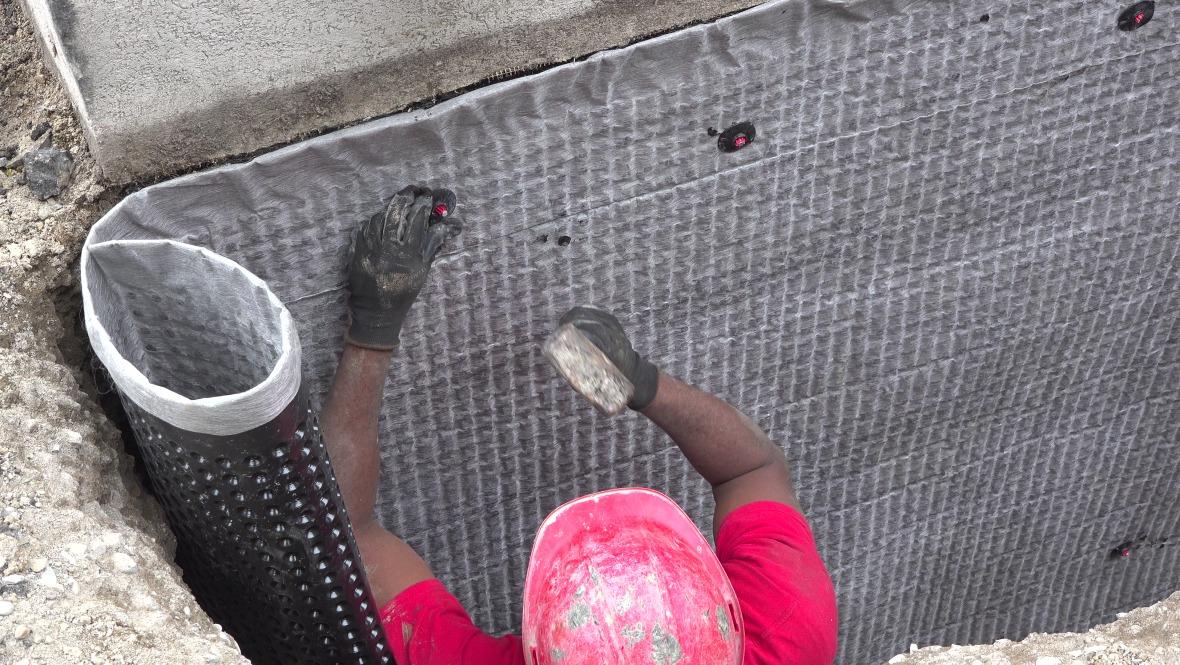
When homeowners start noticing signs of water seepage or moisture issues in their basement, one question often arises: “Can exterior foundation membranes still be installed even though the home is finished?” The short answer is yes, but the process involves some preparation, patience, and a clear understanding of what to expect.
This article will explain what installing an exterior foundation membrane in a finished home entails, including the steps, potential challenges, and benefits, so you can make an informed decision.
What Are Exterior Foundation Membranes?
Before proceeding, it helps to understand what an exterior foundation membrane is. These are specialized waterproof materials installed on the outer walls of a home’s foundation to create a barrier against water infiltration. Their purpose is to keep groundwater from entering the basement, protect the foundation, and keep the home dry.
Many homeowners assume that these membranes can only be installed during the construction phase, but in reality, they can also be added to an existing home, even one with a finished basement or yard.
Why Would You Need an Exterior Foundation Membrane?
Basement water problems are often frustrating and costly. Maybe you’ve started noticing water pooling near the walls during heavy rain, a persistent musty smell, or even mold and mildew. These are all signs that water is breaching your foundation.
While other methods exist to address these problems, like interior drainage systems, professional basement waterproofing experts often recommend exterior foundation membranes as one of the most reliable long-term solutions. They address the problem from the outside, stopping water before reaching your home’s interior.
Can these Membranes Be Installed After Construction?
Yes, but installing an exterior foundation membrane in a finished home comes with unique challenges. Here’s a breakdown of what you should expect:
Excavation Around Your Home
To access the foundation, the ground around your home’s perimeter must be excavated. This is often the most disruptive part of the process, especially for finished homes with landscaping, patios, or driveways.
Expect heavy machinery to dig a trench around your foundation, typically to the depth of your basement floor. Any features like flower beds, decks, or hardscaping near the foundation may need to be temporarily removed or altered. While this part of the process might sound overwhelming, exposing the foundation for proper membrane installation is important.
Foundation Wall Preparation
Once the foundation walls are exposed, they need to be cleaned and inspected. This ensures the membrane adheres properly and allows professionals to spot any structural cracks or damage that may need repairs.
If cracks are found, expect some repairs, as these can compromise the membrane’s effectiveness.
Installing the Membrane
The exterior foundation membrane is applied to the cleaned walls, often in several layers for optimal protection. Depending on the system, this can include:
● A liquid or sheet membrane that creates the waterproof barrier.
● Additional drainage layers or boards to channel water away.
Professionals in basement waterproofing take great care during this stage to ensure every inch of the foundation is covered and sealed.
Backfilling and Restoring the Landscape
Once the membrane is installed, the trench is carefully backfilled, often with soil and gravel for proper drainage. Afterward, the landscaping or hardscaping around your home is restored to its original state as closely as possible.
It’s worth discussing this part with your contractor beforehand to ensure expectations regarding the extent of restoration are aligned.
How Long Does the Process Take?
The timeline for installing an exterior foundation membrane depends on factors like:
● The size of your home.
● The depth of the foundation.
● The complexity of your landscaping or hardscaping.
On average, it can take anywhere from a few days to a couple of weeks. If significant foundation repairs or landscaping work are required, make sure to factor in additional time.
Benefits of Installing an Exterior Foundation Membrane
If you’re weighing the pros and cons, consider these key benefits:
● Long-Term Waterproofing: Stops water at the source, preventing future damage.
● Protects Your Investment: Keeps your foundation in good shape, potentially increasing your home’s value.
● Improves Basement Conditions: Reduces moisture, mold, and odors in your living space.
Is It Worth the Disruption?
Understandably, heavy machinery digging up your yard can feel daunting. However, many homeowners find the long-term peace of mind worth the temporary inconvenience. Proper waterproofing can save you from ongoing repairs, mold remediation, and even health issues caused by damp living conditions.
To minimize the impact, work with a reputable contractor who specializes in professional basement waterproofing. A skilled team will ensure a high-quality installation and also help restore your yard as nicely as possible.