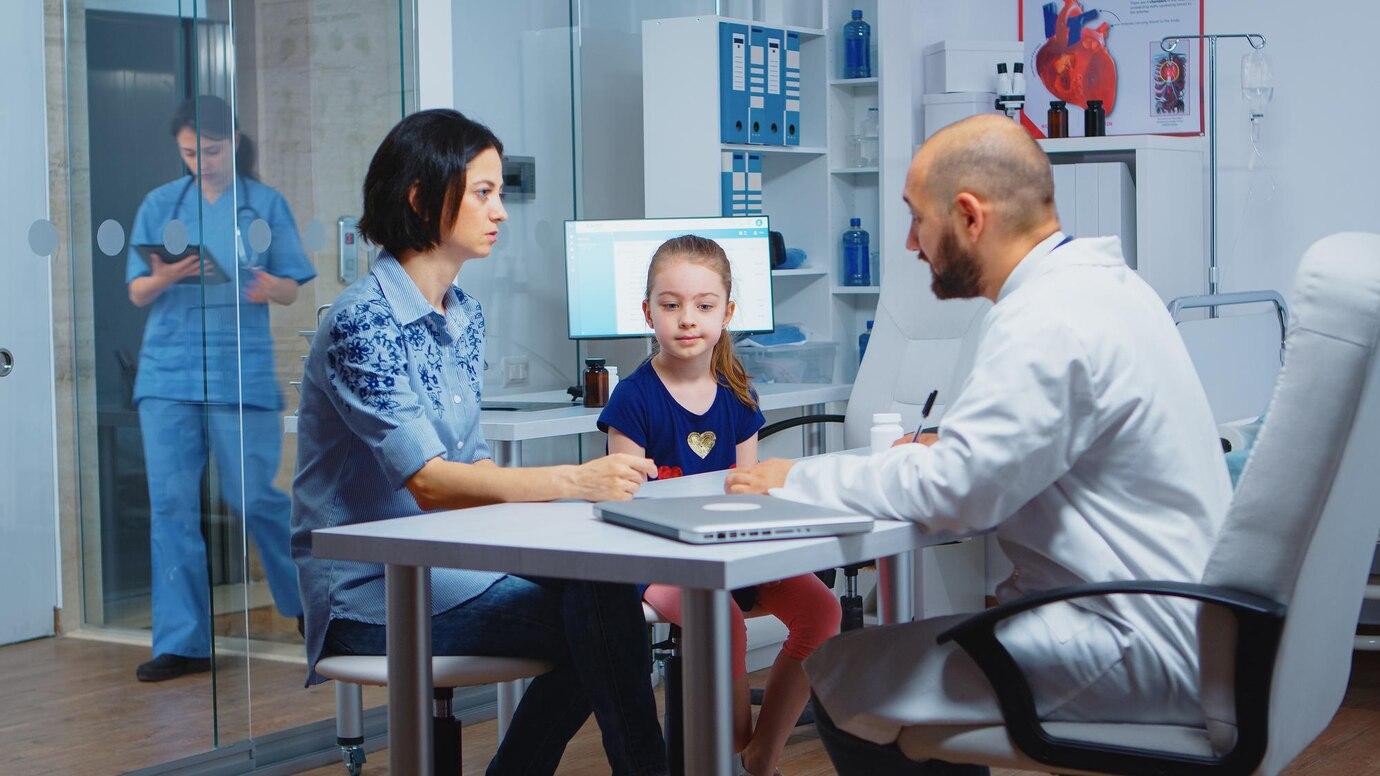
Health is a lifelong journey, and having a trusted medical professional by your side makes navigating that journey smoother and safer. That’s where a primary care physician (PCP) comes in. These healthcare providers manage everything from preventive care to chronic disease management and urgent health issues. If you’ve been putting off finding one, it might be time to prioritize locating primary care physicians accepting new patients in your area.
In this blog, we’ll explore the importance of a PCP, how to identify the right one, and where to search for those currently open to new patients.
The Vital Role of a Primary Care Physician
A primary care physician is often the first point of contact for healthcare services. They manage various aspects of your health, including:
- Annual physical exams
- Preventive screenings
- Vaccinations
- Chronic condition management
- Referrals to specialists
- Health advice and lifestyle counseling
Their comprehensive approach helps patients stay healthier over the long term by identifying potential issues early and providing timely care.
Benefits of Having a Primary Care Physician
- Continuity of Care: Seeing the same physician over time allows them to understand your complete medical history.
- Preventive Care: Regular checkups help detect and prevent illnesses before they become serious.
- Care Coordination: A PCP oversees your interactions with specialists and ensures comprehensive care.
- Health Monitoring: Ongoing care helps in managing chronic conditions like diabetes, hypertension, and asthma.
Challenges in Finding Primary Care Physicians Accepting New Patients
It’s no secret that demand for primary care physicians accepting new patients often outpaces availability in certain areas. Factors contributing to this include:
- Population growth in specific cities
- Physician shortages in rural or underserved regions
- High patient loads in popular clinics
- Limited insurance network options
Understanding these challenges can help manage expectations and refine your search strategy.
Where to Find Primary Care Physicians Accepting New Patients
Finding a physician who meets your needs and is open to new patients requires knowing where to look. Here are reliable options to start your search:
1. Check with Your Health Insurance Provider
Most insurance companies maintain directories listing primary care physicians accepting new patients. These directories typically allow filtering based on location, gender preference, languages spoken, and specialties.
2. Browse Online Medical Directories
Trusted health platforms and online directories offer up-to-date lists of local PCPs with patient reviews, specialties, and appointment availability.
3. Visit Community Health Clinics
Local health centers and clinics often have primary care physicians accepting new patients and may offer care on a sliding scale based on income.
4. Ask for Referrals
Personal recommendations from friends, family, neighbors, or coworkers are often invaluable when searching for trustworthy healthcare providers.
5. Utilize Telehealth Platforms
With the rise of virtual care, many primary care physicians now offer telemedicine services, increasing accessibility for new patients.
What to Look for in a Primary Care Physician
When evaluating potential primary care physicians accepting new patients, consider these key factors to ensure a good fit:
- Credentials and board certifications
- Years of experience in family medicine, internal medicine, or pediatrics
- Communication style and bedside manner
- Availability for in-person and virtual appointments
- Clinic location and office hours
- Language preferences
- Insurance acceptance
A physician who aligns with your healthcare needs and preferences makes visits more comfortable and effective.
Preparing for Your First Appointment
Once you’ve found a primary care physician accepting new patients, preparing for your first visit helps build a strong foundation for your care.
Items to bring include:
- A list of current medications and supplements
- Past medical records and immunization history
- Family health history
- Insurance card and identification
- Questions or concerns you’d like addressed
Expect a comprehensive discussion about your health habits, personal medical history, and family background. The physician may also perform a physical exam and recommend necessary screenings or vaccinations.
The Importance of Preventive Healthcare
Primary care physicians play a crucial role in preventive healthcare by helping detect potential issues early and offering advice to improve lifestyle habits. Services often include:
- Blood pressure and cholesterol screenings
- Cancer screenings (mammograms, colonoscopies, prostate exams)
- Immunizations
- Mental health evaluations
- Nutrition and exercise counseling
Regular preventive care helps reduce the risk of serious health complications in the future.
Managing Chronic Conditions with a Primary Care Physician
If you’re living with conditions like diabetes, asthma, arthritis, or heart disease, consistent care from a primary care physician ensures better health outcomes through:
- Medication management
- Regular lab work and monitoring
- Lifestyle modification guidance
- Coordination with specialists
- Emergency health management plans
A PCP serves as your primary advocate, helping you navigate complex medical situations smoothly.
Telehealth: Expanding Access to Primary Care Physicians
Virtual healthcare has transformed the medical landscape, especially in regions where primary care physicians accepting new patients are scarce. Telehealth offers:
- Convenience for non-urgent issues
- Access for those in remote areas
- Safe alternatives for immunocompromised individuals
- Follow-up care without office visits
If telemedicine is important to you, check whether your chosen PCP offers virtual consultations.
Tips for Building a Strong Doctor-Patient Relationship
Your relationship with your primary care physician directly affects your healthcare experience. To foster a positive, lasting connection:
- Be transparent about your health concerns and habits
- Share your complete medical history
- Follow through on suggested screenings and treatments
- Ask questions to clarify diagnoses and care plans
- Provide feedback on your care experience
This collaboration ensures personalized, effective care tailored to your needs.
Common Myths About Finding Primary Care Physicians Accepting New Patients
Myth #1: All the best doctors aren’t accepting new patients.
Fact: New physicians regularly join practices, and many qualified providers are often overlooked due to limited visibility.
Myth #2: You can only switch primary care doctors once a year.
Fact: You can change your PCP at any time if you feel the need for a better fit.
Myth #3: Telehealth is inferior to in-person care.
Fact: Many health concerns can be effectively managed through virtual visits, with in-person care available when necessary.
FAQs About Primary Care Physicians Accepting New Patients
Q1: How soon can I book an appointment with a new primary care physician?
A: Appointment availability varies by region and clinic demand. Some practices offer openings within a week, while others may require a month’s wait.
Q2: Can I visit a specialist without a referral from my primary care physician?
A: It depends on your insurance plan. Many plans require a referral from your PCP to see a specialist.
Q3: Do primary care physicians handle mental health concerns?
A: Yes, most PCPs can screen for anxiety, depression, and stress, offering treatment or referrals to mental health professionals when needed.
Q4: Is it possible to switch to another primary care physician if I’m not satisfied?
A: Absolutely. If you’re unhappy with your current PCP, you can search for primary care physicians accepting new patients and make a switch.
Q5: What’s the difference between family medicine and internal medicine?
A: Family medicine doctors care for patients of all ages, while internal medicine specialists focus solely on adult care.
Conclusion
Securing care from primary care physicians accepting new patients is a crucial step toward achieving long-term health and wellness. From routine exams to managing chronic diseases and coordinating specialty care, a trusted PCP ensures you receive comprehensive, continuous healthcare.
Whether you’re relocating, switching insurance, or finally prioritizing your health, use online directories, referrals, telehealth options, and insurance resources to find a doctor who meets your needs. Remember, proactive health management starts with the right healthcare partner — and now’s the perfect time to find yours.