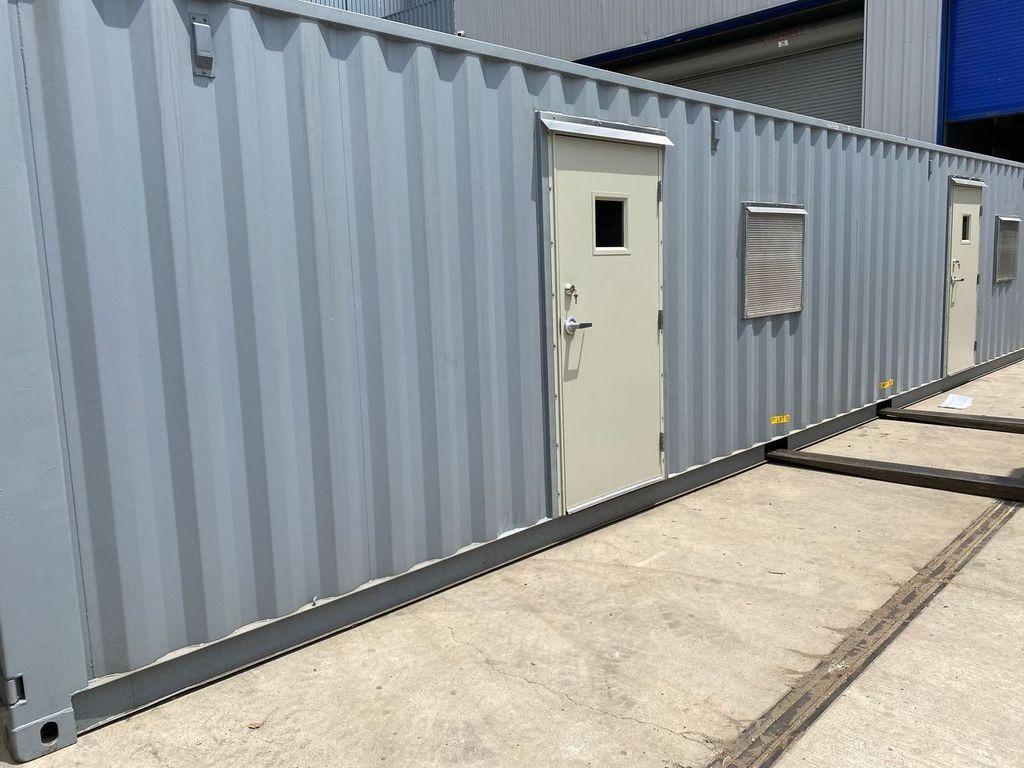
Buying a freight container is a practical step for businesses and individuals who need reliable, secure storage or transport solutions. Freight containers offer durability, versatility, and long-term value. However, making the right purchase involves more than selecting the lowest price. Several essential factors affect performance, safety, and usability. This guide outlines what to consider before you buy a shipping container, from condition and size to placement and delivery.
Understand the Types of Freight Containers Available
Before purchasing, it’s helpful to understand the most common types of freight containers:
- Standard Dry Containers: These are ideal for general storage or shipping needs, usually available in 20-foot and 40-foot lengths.
- High-Cube Containers: One foot taller than standard models, offering more vertical space for oversized goods or custom modifications.
- Refrigerated Containers (Reefers): Used for temperature-sensitive goods like produce, pharmaceuticals, or electronics.
- Open-top and Flat-Rack Containers are designed for heavy or irregularly shaped equipment that needs to be loaded from the top or sides.
Choosing the right type depends on what you plan to store or transport. Businesses handling bulk stock, event equipment, or large machinery may opt for larger or more open formats, while retailers might stick with standard dry units.
New vs. Used: Evaluate Condition Carefully
One of the biggest decisions you’ll face when you buy shipping container is whether to go for new or used.
- New (One-Trip) Containers: These have only been used once and are in near-perfect condition. They’re ideal for long-term use, high-visibility locations, or when aesthetics matter.
- Used Containers: These are more affordable but may show signs of wear. Common conditions include:
- Cargo Worthy: Suitable for international shipping and structurally sound.
- Wind and Watertight (WWT): Good for stationary storage but not always fit for transport.
- As-Is: Sold at a discount with no guarantees on condition.
When evaluating a used freight container, inspect for rust, dents, damaged floors, and faulty seals. A reputable supplier should provide photos or allow in-person inspection.
Consider Modifications and Custom Features
If your freight container will serve more than basic storage purposes, you may want to customize it. Popular modifications include:
- Doors on both ends for better access
- Roll-up or personnel doors
- Ventilation and insulation
- Windows and interior lighting
- Electrical outlets and climate control systems
Modifications can extend the container’s function, turning it into a pop-up shop, equipment hub, or remote workspace.
Understand Delivery and Site Prep Requirements
Once you buy a shipping container, proper delivery and placement are essential. Here’s what to plan for:
- Site Prep: Choose a flat, stable surface, such as compacted gravel or concrete. Avoid placing containers on uneven ground or soft soil.
- Access: Ensure enough space for a delivery truck or crane to enter and place the container. Standard delivery requires at least 60–100 feet of straight clearance.
- Permits: Depending on your location, you may need zoning approval or a permit to place a container, especially for long-term use.
Some suppliers offer site assessments or placement consultations. These help to avoid delays or additional costs.
Factor in Long-Term Use and Value
Freight containers are long-lasting. When properly maintained, they can last 20 years or more. To protect your investment:
- Keep the container elevated slightly off the ground to prevent rust underneath.
- Inspect regularly for water leaks, corrosion, or pest issues.
- Repaint or seal any exposed metal to preserve the surface.
Buyers who plan ahead for long-term use will get more out of their investment and reduce the chance of needing early replacements or repairs.
Where to Buy Freight Containers
When you are ready to buy a ship container, look for:
- Transparent pricing
- Verified reviews or references
- Condition grading and inspection reports
- Delivery support and warranty options
Some suppliers specialize in refurbished or modified units, which can be useful if you need custom builds. For high-volume or repeat purchases, ask about fleet discounts or service contracts.
Conclusion
Buying a freight container is a smart move for businesses and individuals needing reliable, weather-resistant storage or transport solutions. But the process involves more than choosing a size or color. From structural condition to delivery logistics, each factor determines how well the container serves its purpose.
With careful planning and a reputable supplier, buyers can expect lasting value. A well-selected shipping container is not just a purchase, it’s a long-term asset that supports growth, flexibility, and efficiency across a wide range of industries.