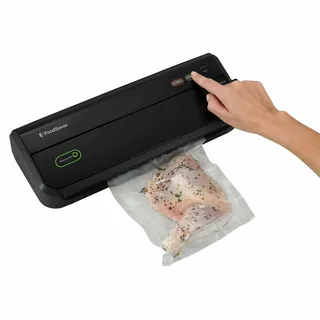
In an age where food preservation is paramount, the food saver vacuum has emerged as a revolutionary tool in kitchens across the United Kingdom. This innovative device offers a practical solution for extending the freshness of food items by preventing spoilage. Employing advanced vacuum sealing technology allows households to store food efficiently and effectively. The principle behind its operation is to remove air from packaging, creating an environment where spoilage-causing microorganisms cannot thrive. This not only helps in keeping food fresh for longer periods but also plays a significant role in reducing food waste and conserving resources.
How Food-Saver Vacuum Machines Operate
Food-saver vacuum machines preserve food by employing a combination of vacuum pressure and heat sealing. The process begins by placing the food item inside a specialised plastic bag. The open end of the bag is then placed in the machine, which uses a vacuum pump to extract the air. Once the air is removed, the machine uses heat to seal the bag, creating an airtight environment.
This sealing process is essential as it prevents the entry of oxygen, which is crucial for the growth of spoilage-causing organisms. The vacuum machine drastically slows the decomposition process by eliminating air, maintaining the food’s freshness and extending its shelf life.
Understanding the Science behind Vacuum Sealing
The science underpinning vacuum sealing revolves around removing air to inhibit the growth of spoilage-causing microorganisms. When air is evacuated from a package, the absence of oxygen creates an inhospitable environment for bacteria and mould, which are primary contributors to food spoilage. These microorganisms cannot thrive without oxygen, preserving the food’s quality. Additionally, vacuum sealing is particularly effective in preventing freezer burn. This is achieved by eliminating the air pockets that cause ice crystals to form on the food’s surface.
Vacuum-sealed packages ensure that frozen goods retain their original taste and texture by maintaining an airtight seal. This method significantly extends the shelf life of both refrigerated and frozen items, allowing households to enjoy fresh-tasting food for longer periods.
The principle of vacuum sealing also helps maintain food’s nutritional value, as the absence of air reduces the risk of oxidation, which can degrade essential nutrients. This technique is widely regarded as a superior preservation method due to its ability to maintain food’s integrity, flavour, and nutritional content over extended periods.
Choosing the Right Food-Vacuum Machine for Your Kitchen
Selecting the right food vacuum-machine for a kitchen requires careful consideration of various factors. The machine’s size and capacity should correspond with the household’s food storage requirements. It’s essential to explore the different models available, including external vacuum sealers and chamber vacuum sealers. Each offers unique benefits suited to different needs. For instance, chamber vacuum sealers can handle liquids more effectively, while external vacuum sealers are often more compact and easier to store.
Another crucial factor is the machine’s durability; a robust and well-constructed device ensures longevity and consistent performance. Additionally, ease of use is paramount; intuitive controls and straightforward operation can make sealing more efficient and less time-consuming. Compatibility with various bag sizes and types also adds to the machine’s versatility, allowing users to seal a wide range of food items.
Other features to consider include the availability of replacement parts, warranty terms, and the level of customer support offered by the manufacturer. By weighing these aspects carefully, households can make an informed decision that aligns with their specific needs and preferences, ensuring they benefit fully from the advantages offered by a food-saver vacuum machine.
Proper Usage of Food-Saver Vacuum Machines
A food-saver vacuum machine is an excellent tool for preserving food freshness and extending shelf life. However, proper usage and maintenance are essential to achieve the best results. Below are key guidelines to ensure optimal performance and longevity of your vacuum sealer.
Preparing Food for Vacuum Sealing
Before sealing, ensure food is dry and free from excess moisture, as liquids can hinder the vacuum process. Pre-freezing helps prevent spills and ensures a tight seal for liquids like soups or sauces. Cutting food into uniform sizes also promotes even sealing and better air removal.
Proper Bag Handling Techniques
Leave enough space between the food and the bag’s edge for a secure seal. Avoid overfilling, as this can prevent proper air extraction. Smooth out wrinkles or folds in the bag to eliminate air pockets, which can compromise preservation.
Maintaining the Sealing Strip
Clean the sealing strip regularly to remove food particles or debris that may obstruct the sealing process. A clean strip ensures consistent, airtight seals. Inspect it periodically for wear and tear to avoid sealing failures.
Choosing the Right Bags
Always use bags that are compatible with your machine model. Incorrect bag types may lead to poor sealing or machine damage. High-quality, durable bags enhance efficiency and prevent leaks.
Routine Machine Maintenance
Check the vacuum pump and sealing element for signs of wear. Regular maintenance ensures smooth operation and prolongs the machine’s lifespan. Keeping the device clean and stored properly also contributes to consistent performance.
Environmental Considerations of Using Food Vacuum Machine
Environmental considerations are increasingly crucial when evaluating kitchen appliances, and food-vacuum machines are no exception. One of the primary benefits is their role in reducing food waste. By extending the shelf life of perishable items, vacuum machines help minimise the amount of spoiled food in landfills, reducing methane emissions, a significant contributor to climate change. Moreover, vacuum-sealed food requires less packaging compared to traditional storage methods.
This reduction in packaging not only cuts down on plastic waste but also lessens the environmental impact associated with the production and disposal of packaging materials. However, it’s important to note that the plastic bags used for vacuum sealing are typically single-use and not biodegradable. Some environmentally-conscious households opt for reusable vacuum-seal bags or biodegradable alternatives with a lower environmental footprint to mitigate this issue.
Additionally, vacuum machines’ energy consumption should be considered. While they are generally energy-efficient, regular maintenance and proper usage can further reduce their environmental impact. Lastly, sourcing a vacuum machine from a manufacturer committed to sustainable practices can also contribute positively to environmental preservation. Thus, while food vacuum machine offer numerous benefits, mindful usage and sustainable choices are essential to minimise their ecological impact.
Maintenance and Care for Food-Vacuum Machines
Regular upkeep is essential to ensure the efficient functioning of food-vacuum machines. After each use, the sealing area should be meticulously cleaned to prevent food particles from obstructing the machine’s performance. Attention must be given to the sealing element; it should be inspected regularly for signs of wear and replaced as necessary to maintain optimal sealing. Monitoring the vacuum pump for any indications of reduced suction power is also crucial.
Lubricating moving parts as the manufacturer recommends can enhance the machine’s longevity. Storage conditions also play a role in the machine’s upkeep; keeping it clean and dry can prevent corrosion and other damage. Models with removable drip trays should be emptied and washed regularly to prevent bacterial build-up. Checking the power cord for any signs of fraying or damage ensures safety and uninterrupted operation.
Following the manufacturer’s maintenance guidelines, including periodic servicing, can preempt more significant issues. Should problems arise, consulting customer support or referring to the user manual can provide troubleshooting steps to resolve common issues. Through diligent maintenance, a food-vacuum machine can deliver reliable performance, safeguarding the freshness and quality of preserved food.
Impact of Food-Saver Vacuums on Household Budgets
Food-saver vacuums contribute significantly to managing household budgets by extending the shelf life of perishable items. Families benefit from reduced grocery bills as less food spoils and goes to waste. The technology behind vacuum sealing keeps food fresher for longer periods, reducing the need for frequent shopping trips. Although there is an initial investment in purchasing a vacuum machine, the financial savings from decreased food spoilage and waste can be substantial over time. Additionally, by purchasing bulk quantities of food and preserving them with a vacuum machine, households can take advantage of discounts and bulk pricing, further enhancing cost-efficiency.
Comparing Food-Saver Vacuum Machines with Traditional Storage Methods
Traditional storage methods like refrigeration and freezing have long been used to extend the shelf life of food items. However, each comes with its limitations. Refrigeration merely slows spoilage, often requiring airtight containers or cling film to maintain freshness. Yet, it still allows for air exposure, leading to gradual degradation. Freezing, while effective at halting spoilage, often results in freezer burn. This occurs when air inside the packaging causes ice crystals to form on the food’s surface, compromising its texture and flavour over time.
In contrast, food-saver vacuum machines provide a more efficient and effective preservation solution. By removing air from the packaging, these machines create an airtight seal that significantly slows down the degradation process. This method prevents freezer burn and maintains food items’ original taste, texture, and nutritional value, aspects often compromised by traditional methods. Vacuum sealing is especially advantageous for long-term storage, as it helps preserve the quality of refrigerated and frozen foods far better than conventional techniques.
Furthermore, vacuum sealing allows for more organised and space-efficient storage. Vacuum-sealed packages take up less room in the fridge or freezer, enabling households to store larger quantities of food without the clutter typically associated with traditional storage methods. This can be particularly beneficial for bulk purchasing and meal prepping, as it maximises storage space and ensures that food remains fresh for longer periods. Overall, food-saver vacuum machines offer a superior alternative to traditional storage methods, providing enhanced preservation, improved organisation, and extended shelf life for various food items.
Conclusion
Food saver vacuum technology is revolutionising food storage by extending freshness, reducing waste, and enhancing convenience. By removing air and sealing food tightly, these devices slow spoilage caused by oxidation and bacteria, helping preserve nutrients and flavours for longer periods. This method is practical for everyday households and benefits meal prep enthusiasts and bulk buyers. As more people seek sustainable and efficient ways to manage their food, vacuum sealing stands out as a game-changer, offering a smart, economical, and eco-friendly solution for preserving various foods while minimising waste.
FAQ’s
What is a food saver vacuum, and how does it work?
A food saver vacuum is a device that removes air from specially designed bags or containers and seals them airtight. Eliminating oxygen slows down the growth of bacteria and mould, which are the primary causes of food spoilage. This vacuum sealing process helps preserve food’s texture, flavour, and nutritional value for an extended time.
Can vacuum sealing extend the shelf life of food?
Yes, vacuum sealing can significantly extend food shelf life. Reducing exposure to air and moisture prevents oxidation and freezer burn, keeping food fresh for weeks or even months longer than traditional storage methods. For example, vacuum-sealed meats and vegetables last much longer in the fridge or freezer than those stored conventionally.
Is vacuum sealing suitable for all types of food?
Most foods can be vacuum sealed, including meats, vegetables, fruits, cheeses, and even liquids with special precautions. However, delicate items like soft berries or fresh herbs may require gentle handling or partial sealing to avoid crushing. Foods with sharp edges should be wrapped first to prevent puncturing the bag.
Does vacuum sealing save money in the long run?
Absolutely. Vacuum sealing extends food freshness and reduces spoilage and waste, allowing you to buy in bulk and store leftovers safely. This efficiency translates into cost savings over time and helps households better manage their grocery budgets.
Are vacuum-sealed foods safe to eat?
When done correctly, vacuum-sealed foods are safe and can even improve food safety by slowing bacterial growth. However, it’s essential to keep vacuum-sealed items refrigerated or frozen as appropriate and follow food safety guidelines regarding storage times and thawing.
| Related Business Listings |
| Contact Directory |
| Local Business Profiles |