Introduction
In today’s fast-paced business environment, efficiency and integration are paramount. Enterprise Resource Planning (ERP) systems have emerged as essential tools for organizations aiming to streamline operations, enhance productivity, and maintain a competitive edge. Particularly in the United Arab Emirates (UAE), where diverse industries thrive, ERP systems play a crucial role in unifying various business processes.
What is an ERP System?
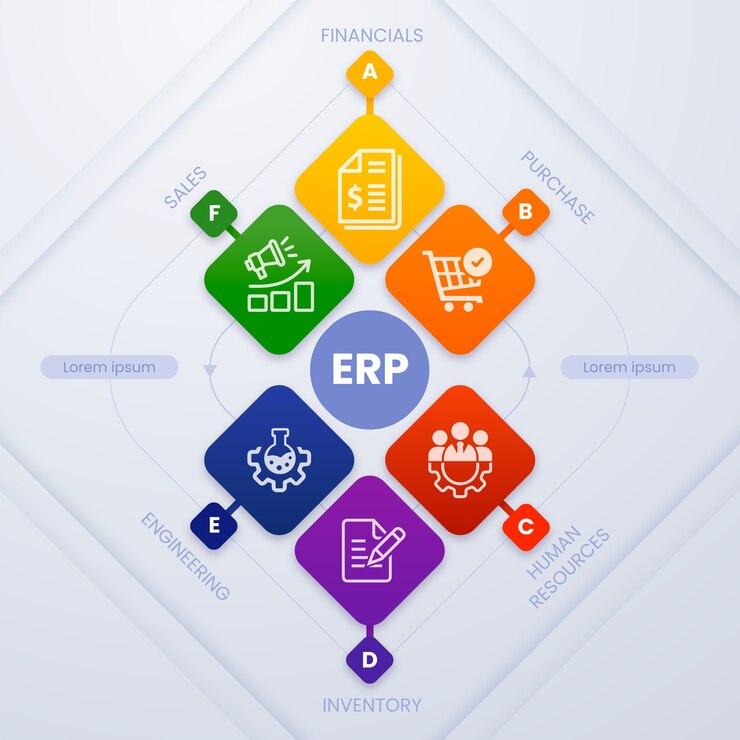
An ERP system is a software platform that integrates core business processes, including finance, human resources, supply chain, manufacturing, and customer relationship management, into a unified system. This integration facilitates real-time data sharing across departments, enabling informed decision-making and operational efficiency.
Key Features of ERP Systems
- Modular Design: ERP systems consist of various modules tailored to specific business functions, allowing organizations to implement only the components they need.
- Centralized Data: All data is stored in a single database, ensuring consistency and accuracy across the organization.
- Real-Time Reporting: Instant access to data analytics and reports aids in strategic planning and performance monitoring.
- Scalability: ERP systems can grow with the business, accommodating new processes, users, and functionalities as needed.Certinia
ERP System in UAE
The UAE’s dynamic economy, characterized by sectors such as construction, retail, manufacturing, and services, necessitates robust ERP solutions. Businesses in the region adopt ERP systems to comply with local regulations, manage complex operations, and support digital transformation initiatives.
Benefits of ERP Systems in the UAE
- Regulatory Compliance: ERP systems help businesses adhere to UAE-specific laws, including VAT regulations and labor laws.
- Localization: Many ERP solutions offer Arabic language support and are tailored to the cultural and business practices of the region.
- Cloud Adoption: With the UAE’s emphasis on innovation, cloud-based ERP systems are increasingly popular, offering flexibility and remote accessibility.
- Industry-Specific Solutions: Vendors provide ERP systems customized for industries prevalent in the UAE, such as oil and gas, construction, and hospitality.
ERP System Examples
Several ERP systems are widely used in the UAE, each offering unique features suited to different business needs:
1. SAP Business One
Designed for small to medium-sized enterprises, SAP Business One offers comprehensive modules for finance, sales, customer management, and operations.Deltek+1Productive+1
2. Oracle NetSuite
A cloud-based ERP solution that provides real-time insights into business performance, suitable for rapidly growing companies seeking scalability.
3. Microsoft Dynamics 365
Combines ERP and Customer Relationship Management (CRM) capabilities, integrating seamlessly with other Microsoft products for enhanced productivity.
4. Sage 300
Ideal for businesses requiring robust financial management and operational control, with multi-currency and multi-language support.
5. Odoo
An open-source ERP system offering a wide range of applications, including accounting, inventory management, and e-commerce, customizable to specific business requirements.
Conclusion
Implementing an ERP system is a strategic move for businesses aiming to enhance efficiency, ensure compliance, and support growth. In the UAE’s diverse and rapidly evolving market, selecting the right ERP solution—tailored to industry needs and local regulations—is crucial. By integrating core business processes into a cohesive system, organizations can achieve greater visibility, improved decision-making, and a solid foundation for future expansion.
FAQs
1. What industries benefit most from ERP systems in the UAE?
Industries such as construction, manufacturing, retail, and hospitality in the UAE benefit significantly from ERP systems due to their complex operations and regulatory requirements.
2. Are there ERP systems specifically designed for small businesses?
Yes, solutions like SAP Business One and Odoo are tailored for small to medium-sized enterprises, offering scalability and affordability.Deltek
3. How long does it take to implement an ERP system?
Implementation time varies based on the system’s complexity and the organization’s size but typically ranges from a few months to over a year.
4. Can ERP systems be customized to fit specific business needs?
Many ERP systems offer modular designs and customization options to align with unique business processes and industry requirements.
5. What are the challenges of implementing an ERP system?
Challenges include high initial costs, the need for employee training, potential disruptions during transition, and ensuring data security and compliance.