Introduction
In a world of next-day deliveries, global commerce, and real-time tracking, inventory management has become a critical element in the success of businesses. Regardless of industry, companies today rely heavily on effective inventory processes to meet demand, reduce waste, and maximize profitability.
What sets thriving businesses apart isn’t just the quantity of stock they hold, but how well they manage that stock — across multiple channels, in various locations, and through dynamic market fluctuations. This is where inventory management and the rise of warehouse inventory management software come into play.
In this comprehensive guide, we’ll dive deep into what inventory management really is, the modern role of warehouse software, the features businesses should look for, and how companies around the world are leveraging these tools to transform their supply chains.
📦 What Is Inventory Management?
At its core, inventory management is the process of tracking, organizing, and overseeing a company’s stock—whether that’s raw materials, work-in-progress items, or finished goods. The goal? To ensure the right products are in the right place, at the right time, and in the right quantity.
The Main Objectives of Inventory Management
- Minimize Costs: Reduce storage costs and prevent overstocking.
- Maximize Sales: Always have enough product to meet customer demand.
- Improve Efficiency: Streamline supply chains and reduce waste.
- Enhance Customer Satisfaction: Deliver products faster and more reliably.
Inventory Types Typically Tracked
- Raw Materials: Basic components used to produce finished goods.
- Work-In-Progress (WIP): Items currently being manufactured.
- Finished Goods: Products ready for sale or distribution.
- Maintenance, Repair, and Operations (MRO): Supplies used for upkeep and support.
Common Inventory Management Techniques
- First-In, First-Out (FIFO): Older stock is sold before newer stock.
- Last-In, First-Out (LIFO): Newer stock is sold first (often used in volatile pricing markets).
- Just-In-Time (JIT): Stock arrives only as needed, reducing storage costs.
- ABC Analysis: Categorizes inventory based on value and frequency of use.
🏭 Warehouse Inventory Management Software
As businesses scale, spreadsheets and manual tracking methods quickly become obsolete. This is where warehouse inventory management software takes center stage, revolutionizing how organizations handle their storage and logistics operations.
What Is Warehouse Inventory Management Software?
Warehouse inventory management software is a digital solution that enables companies to automate, track, and optimize their inventory stored within a warehouse or distribution center. It manages everything from incoming shipments and picking orders to stock levels and location tracking.
Key Features of Effective Software
- Real-Time Inventory Tracking: Stay updated with stock changes as they happen.
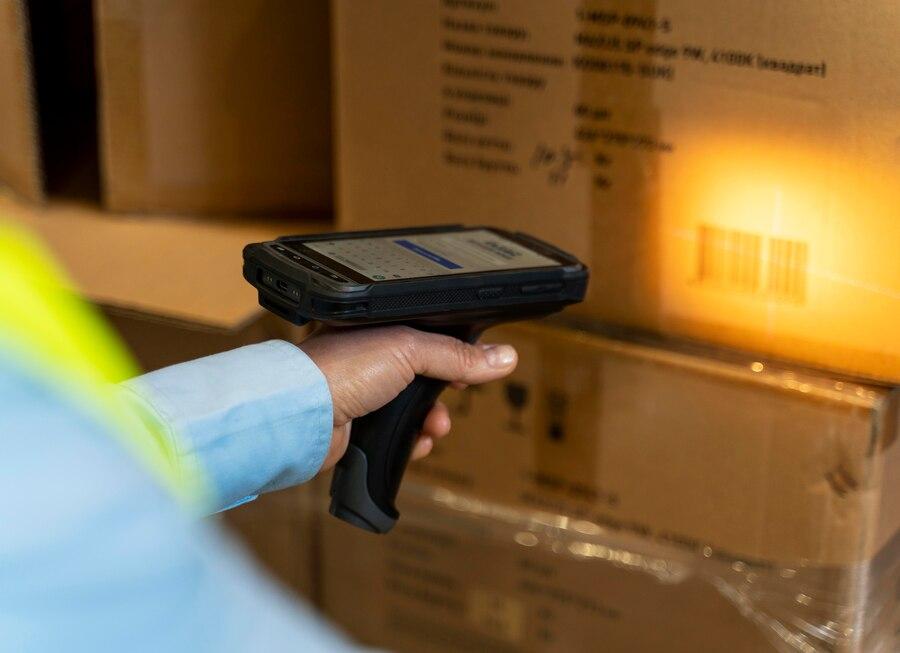
- Barcode/RFID Scanning: Quick and accurate product tracking using handheld devices.
- Order Management: Automate picking, packing, and shipping.
- Analytics and Reporting: Insights on turnover, shortages, and demand forecasting.
- Integration Capabilities: Connect seamlessly with ERP, e-commerce platforms, and shipping providers.
Benefits for Businesses
- Improved Accuracy: Reduce human error in inventory counting and fulfillment.
- Enhanced Productivity: Streamline tasks, allowing workers to focus on high-value activities.
- Faster Order Fulfillment: Speed up the pick-pack-ship cycle.
- Optimized Storage: Use space more efficiently and avoid overstocking.
Who Should Use It?
- E-commerce Companies: Manage fast-moving inventory across platforms.
- Retail Chains: Ensure product availability across multiple locations.
- Manufacturers: Track raw materials and finished goods efficiently.
- Distributors: Coordinate stock across vast and complex supply chains.
🔧 Implementation Tips for Inventory Systems
Implementing new systems can be daunting. Here’s how to do it right:
- Evaluate Your Needs: Understand what your business truly requires.
- Set Clear Objectives: Define goals like reduced stock-outs or improved picking speed.
- Choose the Right Software: Pick a scalable, user-friendly, and integratable system.
- Train Your Staff: Ensure users know how to operate the software efficiently.
- Test Thoroughly: Run pilot tests to detect issues early.
- Monitor Performance: Use KPIs to measure success over time.
💡 Real-World Use Cases
Retail Industry
Major retail chains use advanced warehouse inventory software to synchronize stock between physical stores and online shops. This real-time data reduces stockouts, boosts turnover, and improves customer experience.
Food & Beverage
In perishable industries, FIFO-based inventory management prevents spoilage and meets strict health regulations. Integrated tracking ensures freshness and compliance.
Healthcare
Hospitals and clinics rely on precise inventory control for medical supplies and pharmaceuticals. Real-time updates ensure life-saving materials are never out of stock.
Automotive
Car parts dealers use software to handle thousands of SKUs across multiple locations. Automated reordering prevents gaps in availability, even with volatile demand.
📊 How to Choose the Right Software
When evaluating your options, consider these factors:
- Scalability: Can it grow with your business?
- Cloud vs. On-Premise: Do you want flexibility and remote access?
- Customization: Can the solution adapt to your specific workflow?
- User Interface: Is it easy for your team to learn and use?
- Vendor Support: Will you have access to training and troubleshooting?
🔄 Inventory Management vs. Warehouse Management
Though closely related, these systems serve slightly different functions:
| Feature | Inventory Management | Warehouse Management |
|---|---|---|
| Focus | Stock tracking | Entire warehouse operations |
| Primary Goal | Optimal stock levels | Efficient space and labor usage |
| Used By | Finance, Sales, Procurement | Logistics, Warehouse Teams |
| Data Depth | Quantities and costs | Locations, workflows, routes |
Often, the best solution is an integrated one combining both systems.
🧠 Future of Inventory Management
With AI, machine learning, and IoT transforming operations, the future is automated, predictive, and deeply connected. We’re seeing:
- Predictive Reordering: Systems forecast demand spikes and reorder in advance.
- Robotic Fulfillment: Automated bots pick and pack orders.
- IoT Sensors: Track environmental conditions and item movement in real-time.
- Blockchain: Adds transparency and security to global supply chains.
✅ Conclusion
Inventory management is no longer just a back-end operation; it’s a strategic advantage. With accurate forecasting, seamless software, and automation, businesses can respond to market demands faster, serve customers better, and minimize waste.
Warehouse inventory management software is a vital investment in this digital age. Whether you’re running a small e-commerce brand or a multinational logistics network, the right tools can elevate your supply chain performance and unlock significant growth.
❓ Frequently Asked Questions
1. What is inventory management in simple terms?
Inventory management is the process of tracking and organizing a business’s stock of goods to meet demand efficiently without overstocking or running out.
2. How does warehouse inventory software help?
It automates inventory tracking, order fulfillment, and reporting, which reduces errors and speeds up warehouse operations.
3. Can small businesses use inventory software?
Absolutely. Many affordable and scalable solutions are designed specifically for small to medium businesses.
4. Is cloud-based inventory software better?
Cloud solutions offer real-time access, easier updates, and better scalability, making them ideal for modern businesses.
5. What’s the difference between ERP and inventory software?
ERP software manages overall business processes including finance and HR, while inventory software focuses specifically on managing stock and warehouse logistics.