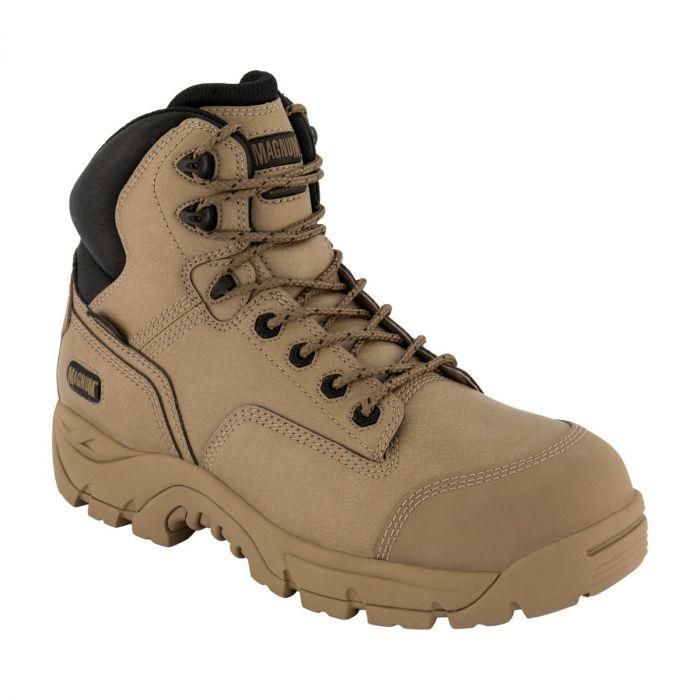
When it comes to hiking and outdoor adventures, your boots can make or break your experience. Sore feet, blisters, and lack of stability can quickly turn a great day into a miserable one. That’s why choosing the best lace-up boots is essential—not just for comfort, but for safety, performance, and long-term foot health.
With countless options on the market, finding the right pair can feel overwhelming. But whether you’re a casual weekend explorer or a serious backpacker, this guide will help you understand what to look for in a solid pair of lace-up boots for hiking and outdoor activities.
1. Understand Your Hiking Style
Before buying, it’s important to consider the type of activities you’ll be doing. Hiking boots come in various categories based on terrain and intensity:
Light Hiking Boots
Designed for day hikes on well-groomed trails, these boots are usually lightweight and flexible. They resemble trail shoes with added ankle support and grip.
Backpacking Boots
Built for long treks and carrying heavy packs, these boots are more rugged and provide superior ankle and foot support. They’re ideal for uneven terrain and multiday hikes.
Mountaineering Boots
Made for extreme conditions like ice and alpine terrain, these boots are heavy, stiff, and often compatible with crampons. Most casual hikers won’t need them.
Tip: Choose boots that match the most demanding activity you’re likely to do.
2. Material Matters
The material of your boots impacts breathability, weight, durability, and waterproofing.
Leather
- Full-grain leather offers maximum durability and water resistance. It’s ideal for rugged terrain but requires a break-in period.
- Nubuck leather is similar but has a softer, suede-like feel and offers a good balance of durability and comfort.
- Split-grain leather is often mixed with synthetic materials for breathability and affordability but may sacrifice durability.
Synthetics
Boots made from nylon, polyester, or synthetic leather are lighter, dry faster, and break in quickly. They’re a popular choice for beginners and casual hikers.
Tip: If you’re hiking in wet conditions, prioritize waterproof materials or a Gore-Tex lining.
3. Pay Attention to Boot Height
The height of your lace-up boots directly affects ankle support and flexibility.
- Low-cut boots are great for light hiking or trail walking. They’re more like trail runners but offer limited ankle protection.
- Mid-cut boots provide better support for uneven terrain and light backpacking.
- High-cut boots offer maximum ankle stability, ideal for rocky terrain, long treks, or when carrying a heavy load.
Tip: Go higher if you’re prone to ankle rolls or hiking on uneven or rocky trails.
4. Get the Right Fit
Even the best work boots will be painful if they don’t fit properly. Here’s how to ensure the right fit:
- Try boots on at the end of the day when your feet are most swollen.
- Wear the socks you plan to hike in—ideally moisture-wicking hiking socks.
- Check the toe box – your toes should have wiggle room but not slide forward.
- Ensure heel lock – your heel shouldn’t lift when you walk or climb.
- Walk uphill and downhill in the store, if possible, to test movement.
Tip: If you’re between sizes, go slightly larger and adjust with insoles or thicker socks.
5. Lacing System and Adjustability
Lace-up boots give you custom control over the fit, but some lacing systems are better than others.
- Open hooks (speed hooks) near the top make lacing faster and easier to adjust.
- Closed eyelets provide more security for the lower part of the foot.
- Locking eyelets allow you to independently adjust tension on different parts of your foot.
Tip: Learn a few alternative lacing techniques—like heel lock lacing—to improve fit and prevent blisters.
6. Consider the Weight
Heavy boots offer more protection and support but can tire you out faster. Lighter boots are easier to move in but may not protect your feet as well on tough terrain.
- For casual hikes: Lightweight (1.5–2 lbs per pair)
- For backpacking: Midweight (2–3 lbs)
- For mountaineering: Heavyweight (3+ lbs)
Tip: Find the lightest boot that still offers the protection and stability you need.
7. Traction and Outsoles
A good outsole gives you the grip you need on slippery rocks, muddy trails, or steep descents.
- Lug pattern: Deeper and more aggressive lugs provide better grip on soft ground. Flatter patterns work better on dry trails.
- Heel brake: A defined heel area improves control on downhill slopes.
- Rubber compounds: Softer rubber offers better grip but wears faster. Harder rubber lasts longer but can be slippery on wet rock.
Tip: If you frequently hike in wet or mixed terrain, prioritize grip over longevity.
8. Waterproof vs. Breathable
Waterproof boots
Waterproof boots keep water out in rainy conditions or stream crossings. Look for Gore-Tex or other waterproof membranes. However, they can trap heat and sweat, especially in warmer climates.
Breathable boots
Allow sweat to escape and keep feet cooler, but won’t protect you in wet conditions.
Tip: For humid environments, breathability may be more important than waterproofing. In cold or wet conditions, go waterproof.
9. Break Them In Before You Hit the Trail
Even the most comfortable boots need some time to mold to your feet. Breaking them in helps prevent blisters and discomfort.
- Start by wearing them around the house.
- Move to short walks, then longer hikes with a loaded pack.
- Use blister prevention like moleskin or tape on hot spots early.
Tip: Don’t wear brand-new boots on a long or remote hike—it’s a recipe for foot pain.
10. Budget and Value
While you don’t need to buy the most expensive boots, quality matters. Cheap boots often wear out quickly or lack proper support.
Expect to pay:
- $100–$150 for good entry-level boots
- $150–$250 for quality mid-range options
- $250+ for premium or technical boots
Tip: Think of boots as an investment in your comfort and safety. Spend a bit more now to avoid problems later.
Final Thoughts
Choosing the right pair of lace-up hiking boots is about more than looks or brand names—it’s about function, fit, and comfort. Your boots should support your outdoor lifestyle, protect your feet, and help you go farther, safer, and with greater enjoyment.
Whether you’re hiking through dense forest trails, exploring mountain ridges, or simply enjoying weekend walks in nature, the right boots are your foundation. Take the time to find your perfect fit, and your feet will thank you for every step of the journey.