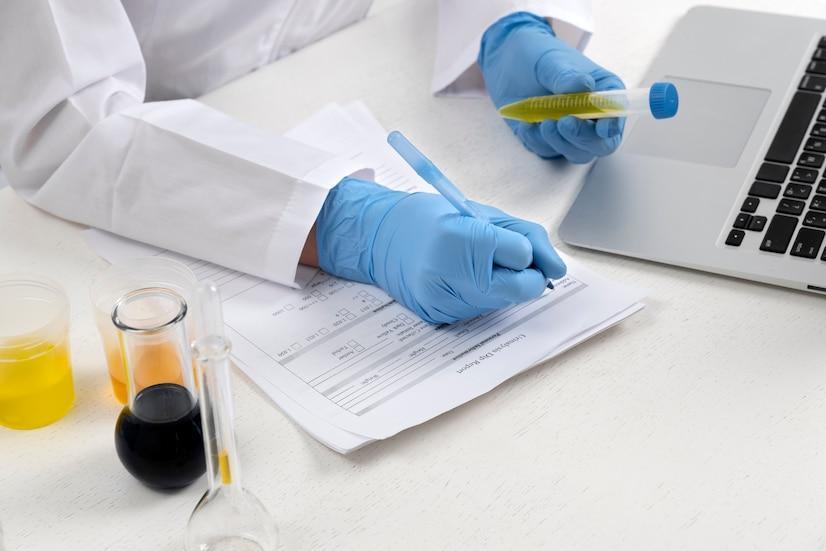
When considering a career in healthcare, many people immediately think of doctors and nurses. However, numerous other vital roles within the industry contribute to patient care and the smooth operation of medical facilities. One such role is that of a phlebotomist. But is a career in phlebotomy the right choice for you? This post will delve into what phlebotomy entails, the skills required, and the benefits and challenges associated with the profession to help you make an informed decision.
What is Phlebotomy?
Phlebotomy is the process of drawing blood from patients for various purposes such as diagnostic testing, transfusions, research, or donations. Phlebotomists are trained healthcare professionals who specialise in this task. They work in a variety of settings, including hospitals, clinics, laboratories, and blood donation centres.
Responsibilities of a Phlebotomist
The primary responsibilities of a phlebotomist include:
- Drawing blood from patients using venipuncture or fingerstick methods.
- Ensuring proper labelling and handling of blood samples.
- Maintaining patient records and managing data entry.
- Ensuring a safe and sterile environment by following infection control protocols.
- Providing reassurance and comfort to patients who may be anxious or fearful.
- Collaborating with other healthcare professionals to ensure accurate and timely test results.
Skills and Qualities Required
A successful phlebotomist needs a combination of technical skills and personal qualities to perform their duties effectively. Here are some key skills and attributes:
Technical Skills
- Knowledge of Anatomy and Physiology: Understanding the human body’s vascular system is crucial for locating veins and ensuring accurate blood draws.
- Manual Dexterity: Proficiency in using needles and other equipment is essential for performing venipunctures efficiently and with minimal discomfort to the patient.
- Attention to Detail: Accurate labelling and handling of samples are critical to avoid errors in diagnostic results.
Personal Qualities
- Empathy and Compassion: Patients may feel nervous or scared when having their blood drawn. Being able to comfort and reassure them is vital.
- Communication Skills: Clear communication with patients and other healthcare professionals ensures smooth operations and accurate information exchange.
- Patience and Calmness: The ability to remain calm under pressure and handle difficult situations with patience is important, especially when dealing with uncooperative patients or challenging venipunctures.
Benefits of a Career in Phlebotomy
Consider doing Phlebotomy Certification Courses in London for a better understanding. Choosing a career in phlebotomy offers several advantages that make it an attractive option for many individuals:
Short Training Period
Unlike many other healthcare professions that require years of education, phlebotomy training programs are relatively short. Most programs can be completed in a few months, allowing you to enter the workforce quickly.
Job Stability and Demand
The demand for phlebotomists is consistently high due to the essential nature of blood testing in medical diagnostics. The Bureau of Labor Statistics projects a steady growth rate for phlebotomist jobs, ensuring job stability and opportunities for career advancement.
Rewarding Work
Phlebotomists play a crucial role in patient care by assisting with diagnoses and treatments. The work can be highly rewarding, as you directly contribute to improving patients’ health and well-being.
Variety of Work Environments
Phlebotomists have the flexibility to work in various settings, including hospitals, clinics, laboratories, and blood donation centres. This variety allows you to choose an environment that suits your preferences and career goals.
Challenges of a Career in Phlebotomy
While phlebotomy offers many benefits, it is essential to consider the challenges associated with the profession:
Physical Demands
Phlebotomists often spend long hours on their feet and may need to assist patients with mobility issues. The job can be physically demanding, requiring stamina and strength.
Exposure to Health Risks
Working with blood samples poses potential health risks, including exposure to infectious diseases. Strict adherence to safety protocols and infection control measures is necessary to minimize these risks.
Emotional Stress
Dealing with anxious or difficult patients can be emotionally taxing. Additionally, working in a healthcare setting may involve witnessing suffering or distress, which can take an emotional toll over time.
Conclusion
A career in phlebotomy can be a rewarding and fulfilling choice for those interested in healthcare. It offers the opportunity to enter the workforce quickly, enjoy job stability, and make a positive impact on patients’ lives. However, it is essential to consider the physical demands, health risks, and emotional stress associated with the profession.
If you possess the necessary technical skills and personal qualities and are passionate about patient care, phlebotomy may be the right career path for you. By carefully weighing the benefits and challenges, you can make an informed decision about whether this vital role in healthcare aligns with your career aspirations.