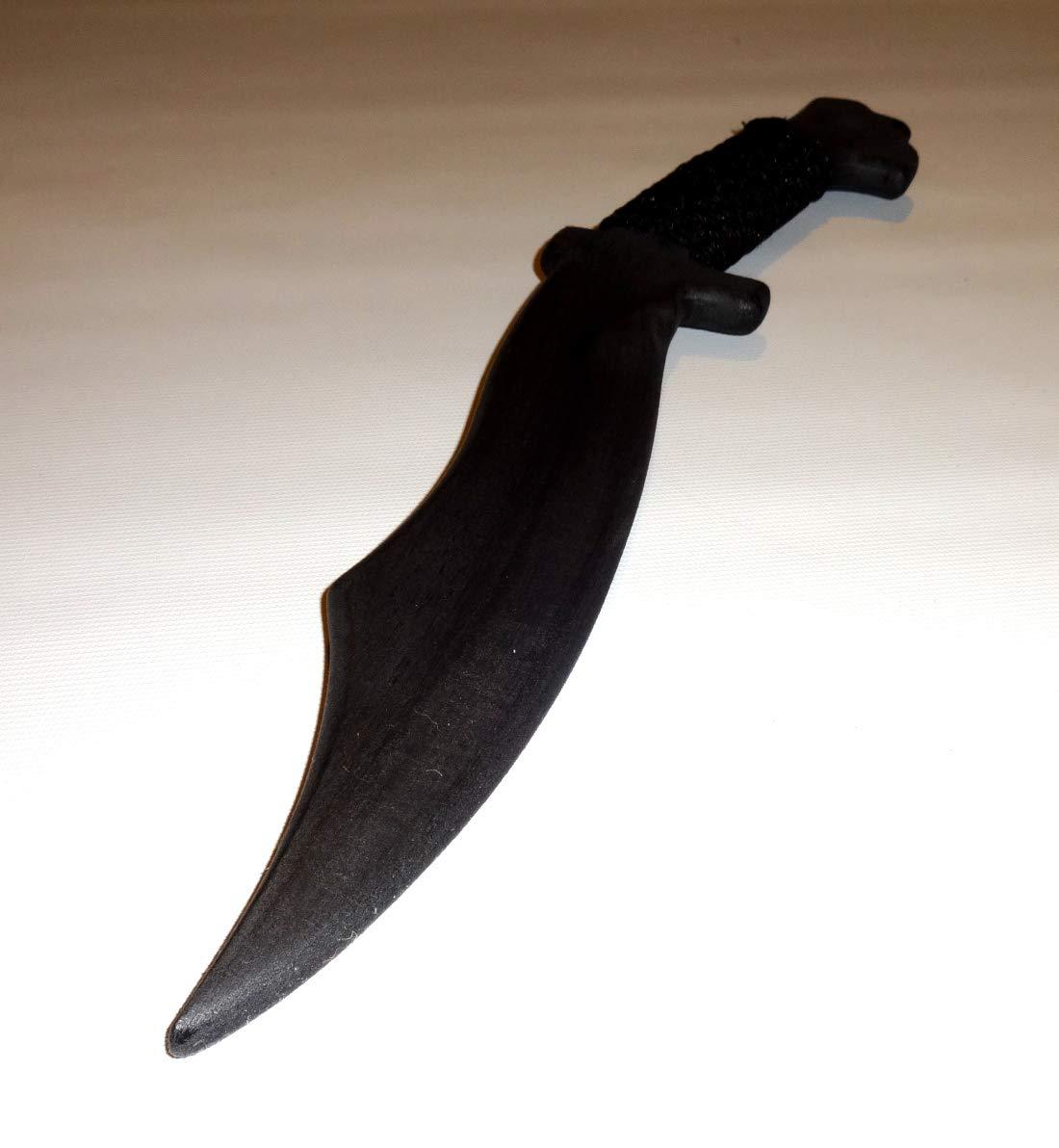
Which Blade Will Shape Your Skill?
Filipino Martial Arts (FMA) — including Kali, Arnis, and Eskrima — are world-renowned for their effectiveness, flow, and blade fluency. At the heart of these systems lies one essential training tool: the Pilipino training knife.
Whether you’re a beginner looking for your first blade or an advanced practitioner refining your gear, this guide will walk you through everything you need to know about selecting the right Pilipino training knives for your training — and even how Silate training knives can complement your practice.
Why Focus on Training Knives in FMA?
Before diving into the selection process, it’s important to understand why training knives are critical to Filipino Martial Arts.
In FMA, you don’t graduate to blades — you start with them.
This weapon-first approach builds superior timing, footwork, awareness, and hand-eye coordination. Because knife techniques transition seamlessly into empty-hand and stick techniques, training with the blade enhances your entire martial framework.
But to train effectively, the right knife matters.
What Makes Pilipino Training Knives Special?
Pilipino training knives are designed to replicate traditional Filipino blades used in combat, self-defense, and cultural rituals. Some iconic forms include:
• Barong – leaf-shaped, powerful slasher
• Ginunting – military blade, forward-angled design
• Balisong – folding knife, popular for flipping and deception
• Pira or Kampilan – large, curved, often used in ceremonial or battlefield contexts
Unlike generic training knives, Pilipino blades reflect centuries of cultural and combative evolution — making them ideal for realistic and authentic practice.
The 3 Most Common Types of Training Knife Materials
So what kind of Pilipino training knife should you use? That depends on your goals. Here’s a breakdown of material options:
1. Rubber or Polymer Training Knives
Best for: Sparring, high-speed flow drills, beginner safety
• Flexible and safe for partner drills
• Lightweight, good for reaction training
• Not ideal for realism or balance
2. Wooden Training Knives
Best for: Flow drills, forms, light partner work
• Closer to actual knife length and shape
• Safer than metal
• Can chip or splinter with heavy use
3. Aluminum Training Knives
Best for: Realism, weight training, grip conditioning
• Simulates the weight and balance of live blades
• Durable and long-lasting
• Not recommended for high-contact sparring
What to Consider When Choosing a Pilipino Training Knife
Here are key questions to ask yourself before buying:
1. What’s Your Training Focus?
• Flow Drills & Sinawali? → Lightweight wooden or polymer blades
• Disarms & Close Quarters? → Rubber for safety
• Realistic Knife Handling? → Aluminum or steel trainers
2. Are You Training Solo or With a Partner?
• Partner sparring requires flexible and safe knives
• Solo work can benefit from weighted or stylized blades to mimic the live feel
3. What Blade Style Do You Prefer?
• Go for traditional shapes like Barong, Ginunting, or Balisong if you’re practicing cultural forms
• Choose ergonomic or tactical styles if your focus is more on modern self-defense
Pro Tip: Don’t Overlook Silate Training Knives
While you’re shopping for Pilipino training knives, consider adding Silate training knives into your toolkit.
Silat, a martial art from Indonesia and Malaysia, emphasizes curved and deceptive blades like the Karambit and Kris. These styles challenge your angles, entries, and grip — offering a fresh, dynamic layer to your knife training.
Why combine both?
• Complementary angles and techniques
• Improved adaptability in self-defense
• Cross-cultural awareness for a more global martial understanding
By incorporating both Silate training knives and Pilipino training knives, your practice becomes more holistic and advanced.
Key Features to Look For in a High-Quality Training Knife
Here’s a quick reference list:
• Durability – Can it survive full-contact training?
• Ergonomics – Is the handle comfortable and secure?
• Balance – Does it mimic a real blade’s weight and feel?
• Safety – Are the edges rounded and the material safe for partners?
• Cultural Accuracy – Does the blade reflect the traditions you’re studying?
Common Mistakes to Avoid
Even experienced practitioners make these errors:
• Choosing a flashy knife over a functional one
• Training only with one style of blade
• Ignoring safety for the sake of realism
• Overlooking grip design, which can affect control
• Not adjusting knives to your hand size or strength level
How to Care for Your Training Knives
To extend the life of your training blades:
• Store in a cool, dry place
• Wipe aluminum and wooden knives after use
• Inspect for cracks or damage before sparring
• Don’t use live-blade cutting motions in contact drills
Taking care of your gear ensures safe and consistent training.
Conclusion
Choosing the right Pilipino training knife isn’t just about buying a practice tool — it’s about investing in your evolution as a martial artist. From the first flow drill to advanced disarm scenarios, the knife becomes your teacher, your challenge, and your extension.
When selected properly, Pilipino training knives provide:
• Cultural authenticity
• Technical precision
• Realistic combat simulation
• A deeper connection to FMA traditions
And when complemented with Silate training knives, your training becomes multi-dimensional, grounded not just in movement but in heritage, function, and survival.
So, whether you’re shadow sparring alone or training with a partner, remember:
The blade you choose will shape the warrior you become.