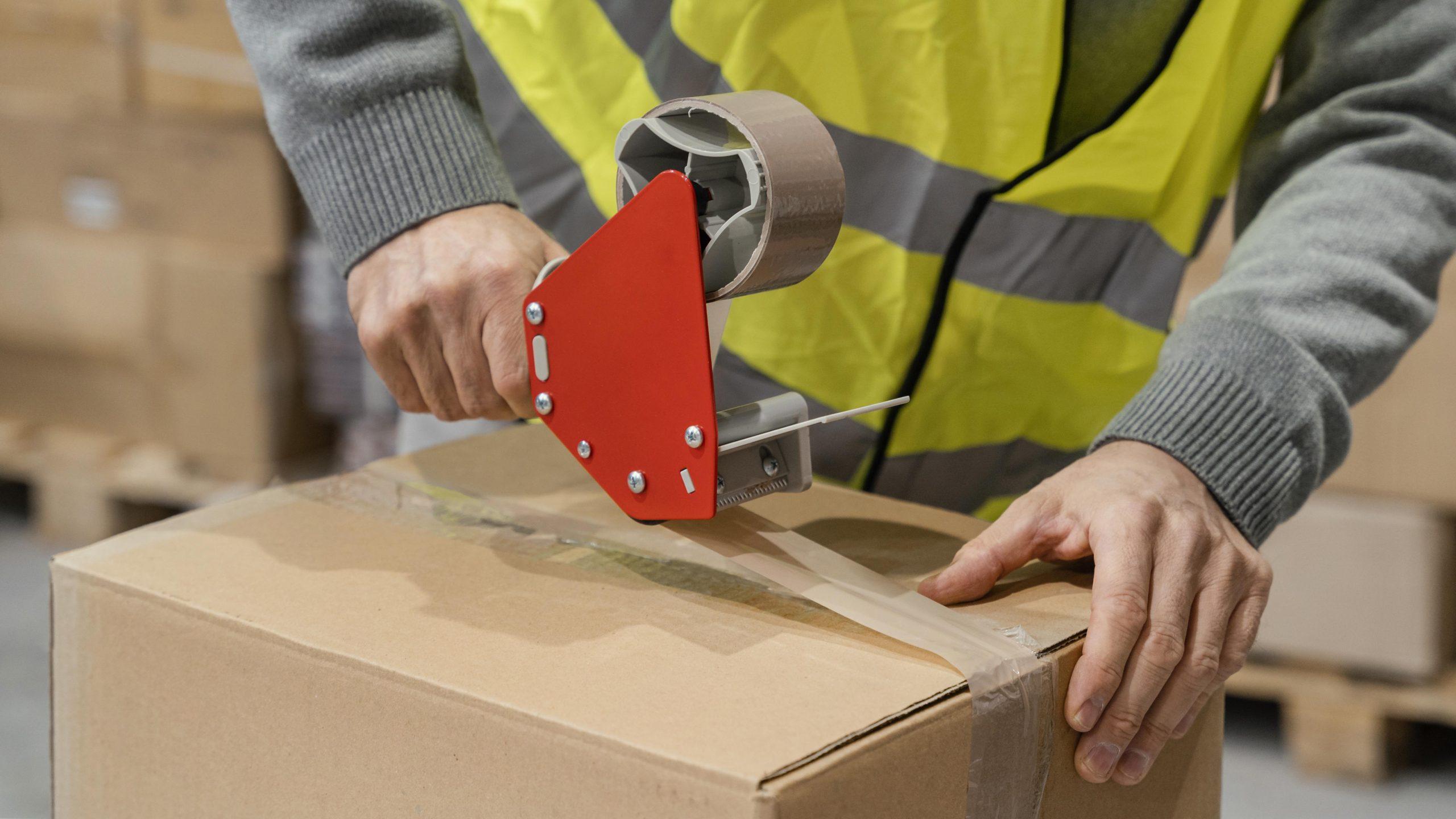
Production of packaging is not just a simple process; it’s a complicated way to build perfect packaging for the storage and transport of different products flawlessly. It needs planning, quality control, experts’ knowledge and dedication for success. It is a wide department covering everyone who is involved in packaging, making and assembling in any way. Regardless of its importance and functionality, the production department often goes overlooked and unnoticed in almost every industry, but it is actually the backbone of business.
After finalising the concept and design of packaging, the production department takes over to convert that design and concept into reality. This article will tell you about how production works and what steps you need to follow for perfect custom packaging boxes.
Selection of Material
Material selection is the first and foremost step in the production of any packaging. Another name for material is stock. The success of your packaging directly depends on the stock you choose. You have to get the complete knowledge about stoke, including its type, surface density, required strength, thickness, printing preference, and usage, to choose the perfect material that can guarantee the successful packaging.
For custom packaging boxes, you have to focus on the products’ needs and preferences, including their weight, dimensions, sensitivity, printing specifications, etc c. to get the perfect packaging results. Kraft paper, cardboard, rigid, and corrugated materials are commonly used materials for packaging. They are available in different surface densities or thicknesses, known as GSM. It varies according to the needs of the product. The standard GSM used by many companies is between 210 – 350, depending completely on the product weight and the customer’s preferences.
Pre-Production
A complete plan with details of resources and the process of each production step from start to end is known as pre-production planning. It includes daily schedules, weekly and monthly deadlines, material requirements, needs and preferences of customers, planning of design, printing and assembling, to avoid delays, eliminate possible errors, and optimise efficiency.
A production form having all the details mentioned above needs to be filled before the start of actual production to avoid any errors in size, material, style, design, colour scheme, and other specifications for perfect custom packaging boxes production.
Plate Making
Another most important function of custom packaging, after safe storage and transport, is marketing and branding. Custom packaging is an effective way to enhance the brand image, increase brand recognition, and boost brand sales. It is the best way to present your product to the customer by displaying its details on the package, which saves customers from confusion and helps them make an informed purchasing decision.
The most important thing for this purpose is design and printing. CTP; computer to plate is the latest technique used to directly transfer the digital design image onto the printing plates. CMYK are the most preferred printing plates used for accurate and precise colour printing.
Cutting and Shaping
Cutting and shaping the packaging material into predefined product size and shape is the next step. For the accurate cutting of folds, tabs and slots,die-cutting machines are used. This stage gives the packaging material a physical structure and gets it ready for the printing process.
Printing
There are different types of printing available in the market according to the budget and nature of the material, including offset printing, digital printing, etc. Printing type has a huge influence on the packaging look, feel, aesthetics and quality. Printing plates are used to transfer printing material onto paper by using different printing types or techniques.
The quality of printing, coating, and inks is very important and can directly influence the packaging quality. Colour consistency and accuracy are the key to successful and flawless printing.
Lamination
To protect the printing and to maximise its performance, lamination is the best option to choose. Without it, the printing of your custom packaging can be affected or even destroyed in no time. It serves as an extra layer of protection for printing by increasing its durability to protect it from scratches, moisture and other environmental damage.
Different types of lamination are available in the market, such as gloss, matte, shiny, soft-touch, etc. Every type has a unique look and texture, which increases and enhances the packaging look by making it more stylish and unique and gives the finishing touch to the final product.
Add-Ons
Putting some extra offer and adding something unique in the packaging makes it look different and helps you to stand out in the market full of similar products. Add-ons are not compulsory in the packing, but are very important to elevate the packaging and attract the maximum potential customers.
Different add-on options are available in the market, including foiling, UV coating, embossing, debossing, gross laminating,n etc., to boost the packaging look. They hold the power to make your packaging look exceptional and convince them to choose your product from the shelf full of similar products.
Die-Cutting
To create unique shapes, folds and openings in the packaging, the die-cutting method is used. Printed and laminated packaging material undergoes this process to ensure the precise shape and style according to the products’ requirements and customers’ preferences. This is the step of packaging production where the flat packaging material is transformed into a distinctive packaging structure, such as custom packaging boxes.
Assembling and Binding
This process involves assembling all the parts and applying adhesive to secure them properly. This step is very important to make the packaging ready for its practical use. Even a slight mistake or negligence can affect the whole packaging, and as a result, the product can also get damaged. You have the option to get your packaging folded or unfolded.
Conclusion
Creativity and careful planning, if they work together properly, can make everything possible. You can make perfect custom packaging boxes by following the steps mentioned above for the perfect storage, transport and presentation of your product. Being complex, a production process needs some extra care and attention at every step to transform your packaging ideas into reality. Always use sustainable packaging material for the packing. Don’t forget to test the packaging before finalising it.