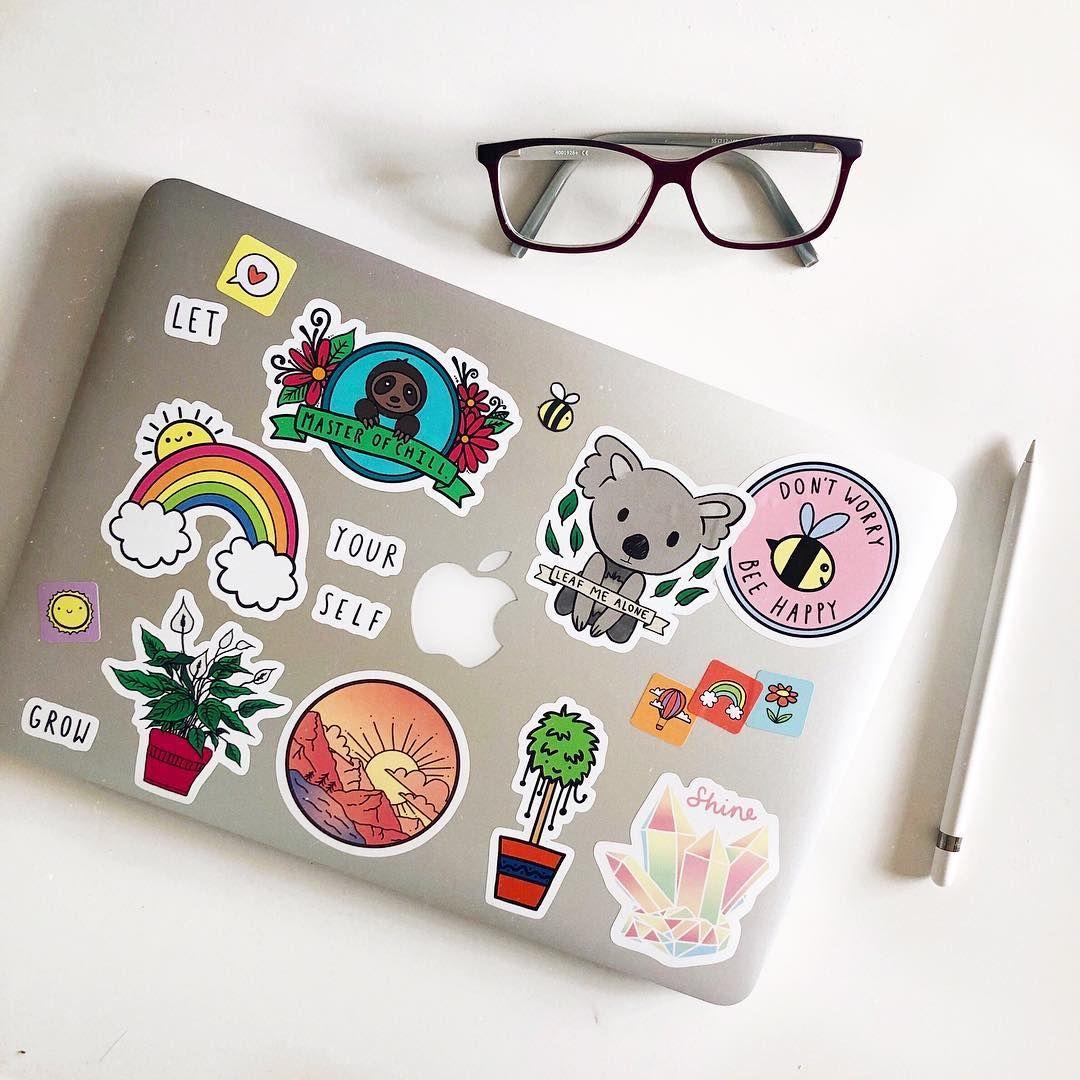
In the world of personal technology, laptops are often more than just tools—they’re a canvas for personal expression. One popular way to personalize laptops is through the use of personalized printed stickers. These stickers can transform a plain laptop into a unique statement piece, but they come with potential implications for the laptop’s resale value. This article delves into how personalized printed stickers can affect the resale value of laptops, examining both the positive and negative aspects, and offering guidance on how to navigate this issue if you’re considering selling your laptop in the future.
The Appeal of Personalized Printed Stickers
Enhancing Personalization
Personalized printed stickers allow users to customize their laptops to reflect their interests, personalities, or affiliations. Whether it’s a favorite band, a beloved character, or a unique design, these stickers can make a laptop stand out from the crowd. For many, this customization is a form of self-expression and can enhance the overall user experience.
Creating a Unique Identity
For some, a laptop with personalized stickers becomes more than just a device; it becomes an extension of their identity. This customization can make a laptop feel more personal and special, fostering a deeper connection between the owner and their device.
The Resale Value Dilemma
Potential Decrease in Resale Value
When it comes time to sell a laptop, the presence of personalized printed stickers can complicate matters. While some buyers might appreciate the individuality these stickers provide, others may see them as a deterrent. Potential buyers might worry about the difficulty of removing stickers or might prefer a laptop that is in its original, unmodified condition.
Removal Challenges
One of the main concerns with stickers is the difficulty associated with their removal. Stickers can leave behind adhesive residue, and their removal process might damage the laptop’s surface. This can be particularly problematic if the stickers have been applied directly to the laptop’s body rather than a removable cover or case. Even if stickers are removed cleanly, they may leave a mark or slight discoloration that could affect the laptop’s appearance.
Impact on Condition Perception
The presence of stickers can affect how potential buyers perceive the condition of a laptop. Buyers often associate a laptop with stickers as being more used or less cared for, even if this is not the case. A clean, sticker-free laptop is generally perceived as being in better condition, which can positively impact its resale value.
The Positive Side: Niche Markets and Buyers
Appeal to Specific Buyer Groups
Despite the potential downsides, there are certain markets where personalized printed stickers can actually enhance a laptop’s appeal. For instance, buyers who share similar interests or affiliations with the stickers might find added value in purchasing a laptop that already reflects their own tastes. In these cases, the stickers could serve as a unique selling point rather than a liability.
Creating a Unique Selling Proposition
For sellers targeting niche markets or enthusiasts, personalized stickers can create a unique selling proposition. If the stickers are well-designed and relevant to a specific audience, they might attract buyers who are looking for a laptop that stands out from the standard options on the market.
How to Minimize the Negative Impact on Resale Value
Opt for Removable Stickers
One way to mitigate the potential negative impact of stickers on resale value is to use removable stickers or decals. These types of stickers are designed to be easily removed without leaving residue or damaging the laptop’s surface. This allows users to enjoy the personalization while preserving the laptop’s condition for future resale.
Use Stickers on Cases or Covers
Another approach is to apply personalized printed stickers to removable cases or covers rather than directly on the laptop itself. This way, the laptop’s original appearance remains intact, and the stickers can be easily removed or replaced if needed. This method preserves the laptop’s resale value while still allowing for personalization.
Maintain the Laptop’s Condition
Regardless of sticker use, keeping the laptop in good condition overall can help preserve its resale value. Regular cleaning, careful handling, and proper maintenance can ensure that the laptop remains in excellent condition, which can help offset any negative impact from stickers.
Removing Stickers: Tips and Best Practices
Use the Right Tools
When it’s time to remove stickers, using the right tools and techniques is crucial. Start by gently peeling off the sticker using a plastic card or your fingers. Avoid using sharp objects that could scratch or damage the laptop’s surface.
Address Residue Carefully
If adhesive residue remains after removing the sticker, use a mild adhesive remover or rubbing alcohol. Apply the solution to a soft cloth and gently wipe the residue away. Avoid using abrasive materials or excessive moisture, as these can damage the laptop.
Clean the Surface
After removing stickers and residue, clean the laptop’s surface with a gentle cleaner to remove any remaining residue or marks. Ensure the laptop is completely dry before powering it on or using it.
Conclusion
Personalized printed stickers can be a fun and creative way to customize a laptop, but they come with potential implications for resale value. While stickers can enhance personal expression and appeal to niche markets, they can also complicate the resale process by affecting the laptop’s condition and appearance. By choosing removable stickers, applying them to cases or covers, and maintaining the laptop’s overall condition, users can enjoy the benefits of personalization while minimizing any negative impact on resale value.
Ultimately, the decision to use stickers on a laptop should be made with an understanding of how it might affect future resale. For those who prioritize resale value, taking a careful and considered approach to customization can help balance personal expression with practical considerations.