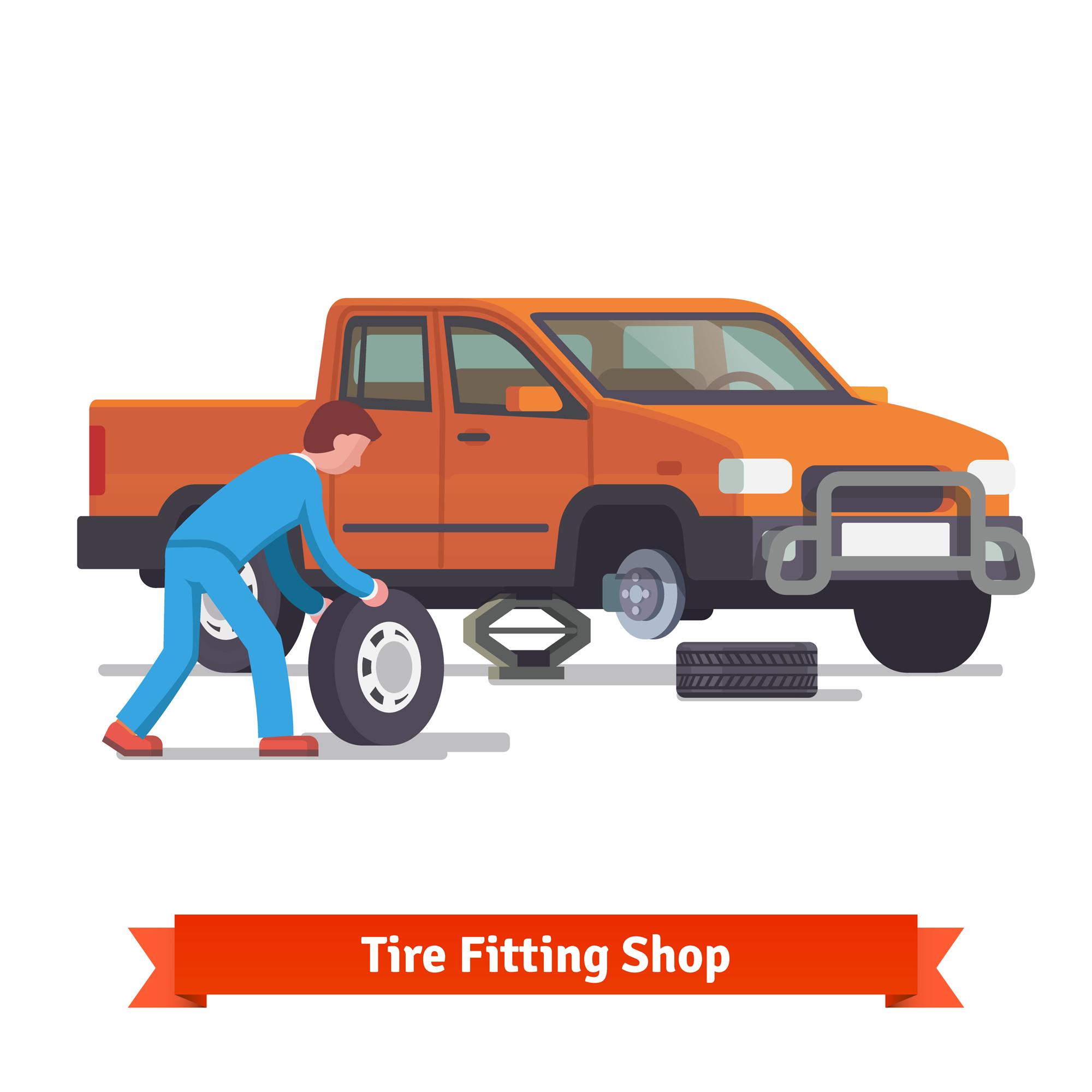
There’s nothing quite like the sudden dread of a flat tyre, especially when you’re out on the road and have somewhere important to be. Whether you’re on a solo drive or with passengers, knowing how to change a car tyre is a basic skill that can save you both time and money. Not only will it help you avoid waiting for roadside assistance, but it also empowers you to handle unexpected situations confidently.
In this guide, we’ll walk you through everything you need to know about changing a car tyre—step by step. Whether you’re a complete beginner or just looking for a refresher, you’ll find this guide helpful and easy to follow.
Importance of Knowing How to Change a Tyre
It’s more than just about convenience. Knowing how to change a tyre could get you out of a potentially dangerous situation. Sometimes, you’re far from help or stuck in a location with no phone signal. Changing a tyre is also a useful life skill that provides peace of mind, helping you feel more prepared for any roadside emergencies.
Tools Needed to Change a Tyre
Basic Equipment
Before you start, it’s crucial to have the right tools at hand. Most of these are standard with your vehicle, but it’s a good idea to double-check:
- Spare tyre: Make sure your spare tyre is fully inflated and in good condition.
- Car jack: You’ll need this to lift your vehicle off the ground.
- Lug wrench: This is used to remove and tighten the lug nuts.
- Wheel wedges: These will keep the car from rolling while you’re working on it.
Optional Tools for Safety and Efficiency
A few extra tools can make the process smoother and safer:
- Gloves: To keep your hands clean and protect them from sharp edges.
- Flashlight: In case you need to change a tyre at night.
- Tyre pressure gauge: This helps ensure your spare tyre has the correct pressure.
Step-by-Step Guide to Changing a Car Tyre
Step 1: Ensure Safety
First things first, safety is your priority. If you notice a flat tyre while driving, don’t slam on the brakes. Instead, slow down gradually and pull over to a safe location. Make sure you’re far from moving traffic, and turn on your hazard lights to alert other drivers.
Step 2: Apply Wheel Wedges
Before you start jacking up the car, place wheel wedges in front of or behind the tyres that will remain on the ground. This ensures your car doesn’t roll while you’re working on it.
Step 3: Loosen the Lug Nuts
Using your lug wrench, begin loosening the lug nuts on the flat tyre. Don’t remove them completely yet—just break their tightness. This is easier to do while the tyre is still on the ground.
Step 4: Lift the Car with a Jack
Next, place the car jack under your vehicle at the manufacturer-recommended lifting point. Raise the car until the flat tyre is about six inches off the ground.
Step 5: Remove the Flat Tyre
Now, completely unscrew the lug nuts and carefully remove the flat tyre. Place it aside in a safe spot.
Step 6: Mount the Spare Tyre
Lift your spare tyre and align it with the lug bolt holes. Push it in place and hand-tighten the lug nuts just enough to hold the tyre in position.
Step 7: Lower the Car
Use the jack to carefully lower your vehicle back to the ground. Once the car is fully on the ground, remove the jack.
Step 8: Tighten the Lug Nuts
Now that the car is down, use your lug wrench to fully tighten the lug nuts. Tighten them in a crisscross pattern for even distribution of pressure.
Step 9: Check the Tyre Pressure
Finally, use your tyre pressure gauge to check the pressure of the spare tyre. It’s important that the tyre is properly inflated to avoid further damage.
Safety Tips for Changing a Car Tyre
Ensure Visibility at Night
If you find yourself changing a tyre at night, be sure to wear reflective clothing or set up reflective warning triangles. Always keep a flashlight in your vehicle.
Avoid Dangerous Locations
Never attempt to change a tyre on a busy road or blind corner. If you’re in a dangerous spot, it’s better to call for professional help.
Common Mistakes to Avoid
Skipping the Parking Brake
Always apply the parking brake before you start. It’s a simple step but essential for preventing the car from moving.
Not Loosening the Lug Nuts Before Lifting
Loosening the lug nuts while the car is on the ground gives you stability. Trying to do it when the car is already lifted can be difficult and dangerous.
Forgetting to Double-Check the Tightness of Lug Nuts
After lowering the car, always recheck the lug nuts to make sure they are tight enough to hold the tyre securely.
How to Take Care of Your Spare Tyre
Check the Condition Regularly
Inspect your spare tyre for wear and tear periodically, so it’s ready to use when you need it.
Proper Storage for Longevity
Store the spare tyre in its designated spot and keep it clean to prolong its life.
Ensure It’s Fully Inflated
A deflated spare tyre won’t do you much good. Regularly check the pressure to ensure it’s ready for an emergency.
When to Seek Professional Help
Signs You Shouldn’t Change the Tyre Yourself
If your car is in a dangerous location, the lug nuts won’t budge, or the spare tyre is in poor condition, it’s best to call a professional.
What to Do If You’re Struggling to Change the Tyre
Don’t hesitate to ask for help if you’re unsure about any part of the process.
What to Do After Changing the Tyre
Drive Slowly at First
Once you’ve mounted the spare tyre, drive slowly and carefully, especially if it’s a space-saver tyre. Get to a mechanic as soon as possible to repair or replace your flat tyre.
Preparing for Tyre Emergencies
Regularly Check Your Tyres’ Condition
Keeping your tyres in good condition prevents flats in the first place. Check for any signs of wear, punctures, or low pressure.
Keep an Emergency Kit in Your Car
Besides the tools for tyre changing, a good emergency kit can make all the difference. Include items like a reflective vest, flashlight, first-aid kit, and jumper cables.
Conclusion
Knowing how to change a car tyre is a practical skill every driver should have. With the right tools and a little know-how, you can confidently handle tyre emergencies and keep your journey moving. Remember to stay safe, follow the steps carefully, and always ensure your spare tyre is in good condition.
FAQs
How Long Can You Drive on a Spare Tyre?
You should avoid driving more than 50 miles on a space-saver spare tyre, and no faster than 50 mph.
Can You Change a Tyre in the Rain?
Yes, but extra caution is needed. Make sure to wear reflective gear and ensure that the jack is stable on a non-slippery surface.
How Often Should You Check Your Spare Tyre?
Check your spare tyre every few months and before any long road trip to ensure it’s properly inflated and in good condition.
What Should You Do if Your Lug Nuts Are Too Tight?
Try using your foot or body weight to loosen them by stepping down on the wrench. If that doesn’t work, seek help from a mechanic.
How Can You Tell If Your Spare Tyre Is Safe to Use?
Check for any visible cracks, punctures, or low pressure before mounting it on your car.