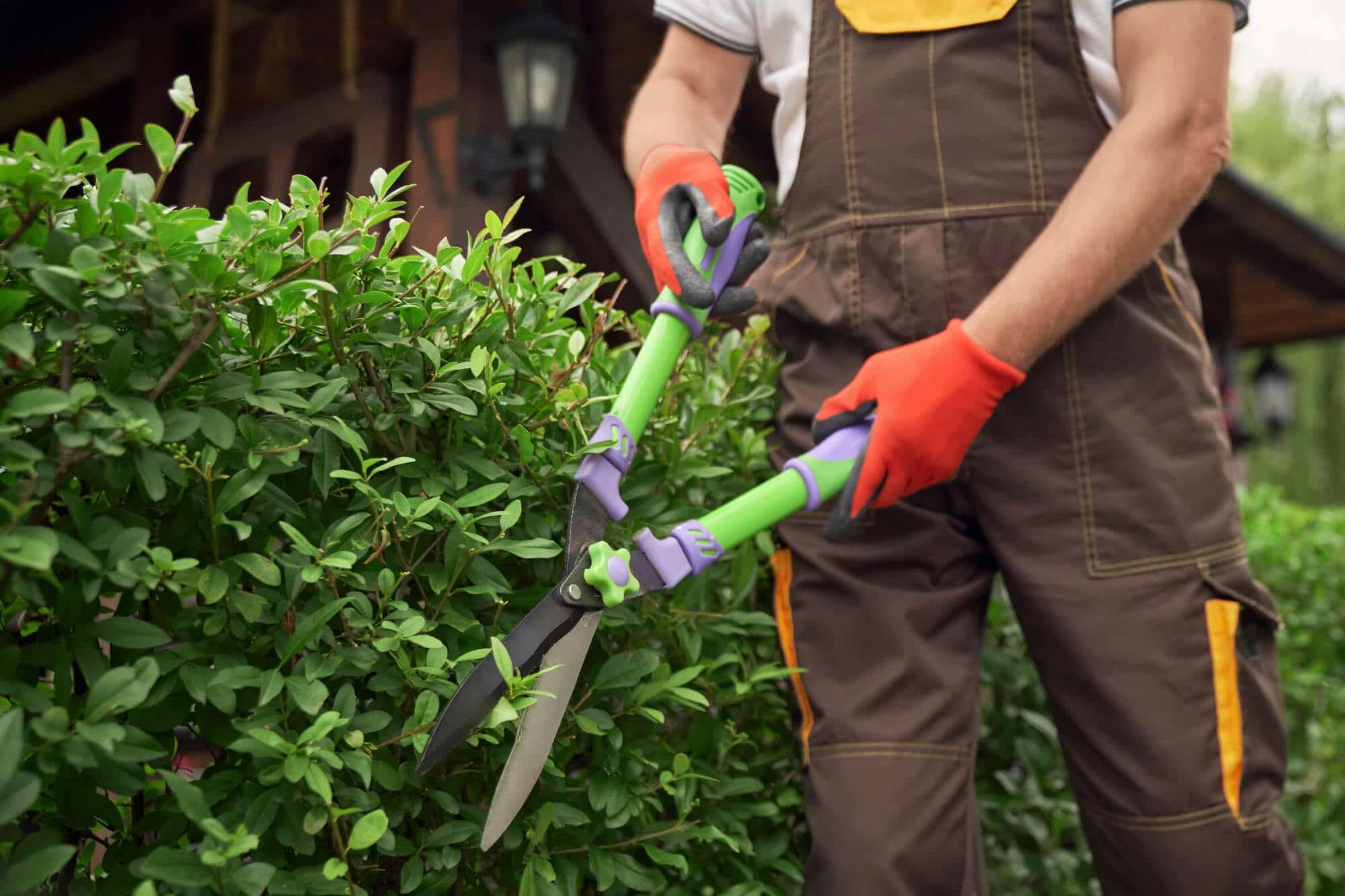
Properly maintained shrubs are a key component of a beautiful and healthy garden. Pruning is essential not only for enhancing the appearance of your shrubs but also for ensuring their long-term health and vitality. By following the right pruning techniques, you can encourage new growth, control shape, remove dead or diseased branches, and prevent overgrowth. This guide will provide you with essential shrub pruning tips that will help keep your garden looking its best year-round.
1. Why Prune Shrubs?
Pruning shrubs offers a variety of benefits that go beyond aesthetics. Regular pruning promotes better airflow, encourages healthier growth, and prevents the spread of diseases. Here’s why pruning is essential:
1.1 Encourages New Growth
Pruning removes old or dead wood, making space for new shoots to grow. This results in a fuller and more vibrant shrub.
1.2 Improves Air Circulation
By thinning out overgrown areas, pruning improves air circulation within the plant, reducing the risk of fungal infections and diseases.
1.3 Shapes and Controls Growth
Shrubs can quickly become unruly if left unpruned. Pruning helps you maintain a desired shape and size, ensuring your shrubs don’t overshadow other plants in your garden.
1.4 Removes Dead or Diseased Branches
Dead or diseased branches not only detract from a shrub’s appearance but can also spread disease to healthy parts of the plant. Pruning these branches helps prevent further damage.
2. The Best Time to Prune Shrubs
Timing is crucial when it comes to pruning. Different types of shrubs require pruning at different times of the year to avoid damaging the plant or inhibiting flower production. Knowing when to prune ensures that your shrubs will thrive.
2.1 Spring-Flowering Shrubs
Shrubs that bloom in spring, such as lilacs, azaleas, and forsythias, should be pruned immediately after they finish blooming. Pruning them too early in the season can remove flower buds and reduce blooming the following year.
2.2 Summer-Flowering Shrubs
Shrubs that bloom in the summer, like hydrangeas and roses, can be pruned in late winter or early spring. Pruning these shrubs at this time encourages new growth and better flowering during the growing season.
2.3 Evergreen Shrubs
Evergreen shrubs, such as boxwood and holly, can be pruned in late winter or early spring before new growth begins. This helps shape the plant and encourages denser foliage.
2.4 Deciduous Shrubs
Deciduous shrubs, which lose their leaves in the fall, can be pruned during their dormant period, typically in late winter or early spring.
3. Essential Pruning Tools
Having the right tools is essential for effective pruning. Clean, sharp tools will ensure precise cuts and reduce the risk of damaging your shrubs. Here are the basic tools you’ll need for pruning:
3.1 Hand Pruners
Hand pruners are ideal for cutting smaller branches and stems up to about half an inch thick. They are perfect for light trimming and deadheading.
3.2 Loppers
Loppers have long handles and are designed for cutting branches that are too thick for hand pruners. They are useful for removing branches up to 1.5 inches thick.
3.3 Pruning Saws
For branches larger than 1.5 inches in diameter, use a pruning saw. These saws are designed to make clean cuts through thick branches without damaging the plant.
3.4 Hedge Shears
Hedge shears are best for shaping shrubs and trimming larger areas of growth. However, they should not be used for cutting through thick branches, as this can damage the shears and the plant.
3.5 Disinfecting Solution
Always have a disinfecting solution on hand to clean your tools between cuts, especially if you’re pruning diseased branches. A mixture of one part bleach to nine parts water works well for sanitizing pruning tools.
4. Proper Pruning Techniques
Using the right pruning techniques ensures that your shrubs will remain healthy and continue to grow properly. Follow these tips for effective pruning:
4.1 Cut at the Right Angle
Make clean cuts at a 45-degree angle just above a healthy bud or branch. This encourages new growth and prevents water from pooling on the cut surface, which can lead to rot.
4.2 Remove Dead, Damaged, or Diseased Wood
Start by removing any dead leaf, damaged, or diseased branches. These branches can sap energy from the plant and spread diseases if left unchecked.
4.3 Thin Out Dense Growth
If your shrub has become too dense, thin out some of the interior branches to improve air circulation and light penetration. This reduces the risk of diseases and encourages healthy growth.
4.4 Maintain the Natural Shape
Prune with the shrub’s natural shape in mind. Avoid over-pruning or cutting the shrub into an unnatural shape, as this can hinder growth and result in a weaker plant.
4.5 Avoid Shearing Too Frequently
While it can be tempting to shear your shrubs into a neat, uniform shape frequently, doing so can prevent the plant from growing naturally. It’s best to selectively prune instead of over-shearing, especially with flowering shrubs.
5. Rejuvenation Pruning for Older Shrubs
Over time, shrubs can become overgrown or leggy, losing their shape and vigor. Rejuvenation pruning is a more aggressive pruning technique used to revitalize older shrubs and encourage new growth.
5.1 How to Perform Rejuvenation Pruning
- Cut back one-third of the oldest branches to the ground to stimulate new growth.
- If necessary, repeat this process over the next two to three years, removing additional older branches each year.
- This method works well for shrubs like spirea, forsythia, and viburnum.
5.2 Timing for Rejuvenation Pruning
Rejuvenation pruning should be done in late winter or early spring before the shrub begins to grow. This gives the shrub time to recover and produce new growth during the growing season.
6. Common Pruning Mistakes to Avoid
Pruning can greatly benefit your shrubs when done correctly, but there are common mistakes that can do more harm than good. Here’s what to avoid:
6.1 Pruning at the Wrong Time
Pruning at the wrong time of year can result in fewer flowers or weaker growth. Always prune at the appropriate time based on the type of shrub you have.
6.2 Over-Pruning
Removing too much of the shrub at once can shock the plant, slowing its growth or making it more susceptible to diseases. Limit pruning to no more than one-third of the shrub at a time.
6.3 Using Dull Tools
Dull pruning tools can crush or tear branches instead of making clean cuts. Always sharpen your tools before pruning to ensure precise cuts that heal quickly.
6.4 Topping Shrubs
Topping refers to cutting off the tops of shrubs indiscriminately to reduce their height. This practice can lead to weak, spindly growth and should be avoided.
7. Aftercare for Pruned Shrubs
After pruning, give your shrubs some extra care to help them recover and thrive:
7.1 Watering
Water your shrubs deeply after pruning to help them recover from the stress. Consistent watering encourages strong root growth and healthier plants.
7.2 Mulching
Apply a layer of mulching around the base of your shrubs to help retain moisture, suppress weeds, and regulate soil temperature. Keep the mulch a few inches away from the base of the shrub to prevent rot.
7.3 Fertilizing
Feed your shrubs with a balanced fertilizer after pruning to promote healthy new growth. Be sure to follow the manufacturer’s instructions for proper application.
Conclusion
Pruning shrubs is an essential part of garden maintenance that helps promote healthy growth, improve air circulation, and enhance the overall appearance of your landscape. By using the right tools, timing your pruning sessions correctly, and following proper techniques, you can ensure your shrubs will thrive for years to come. Regular pruning not only keeps your garden looking beautiful but also contributes to the long-term health of your plants.