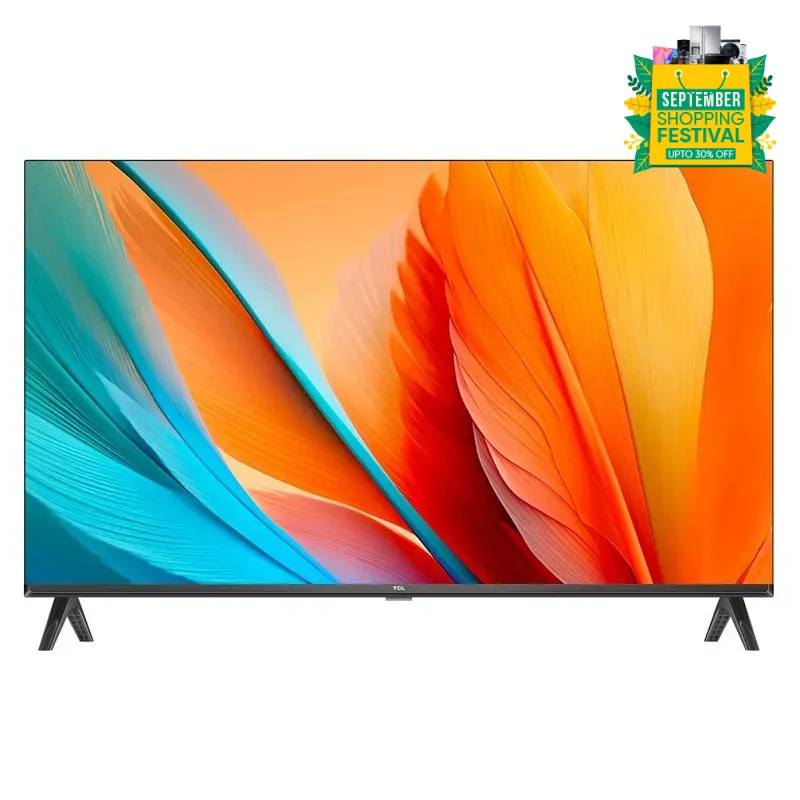
With the growing popularity of home entertainment systems, LED TVs have become a staple in many households. But one of the key concerns for consumers is electricity consumption—how much power does an LED TV actually use? As we head into 2024, it’s more important than ever to be conscious of energy consumption and make informed decisions. In this simple guide, we’ll break down everything you need to know about how much electricity your LED TV uses and how you can minimize its impact on your energy bill.
What Is an LED TV?
LED (Light Emitting Diode) TVs are a type of flat-panel display that use LED backlighting to illuminate the screen. These TVs are known for their slim design, vibrant colors, and energy efficiency compared to older models like plasma or even some LCDs.
Benefits of Using LED TVs
LED TV prices in Pakistan are favored for their energy efficiency, sharper contrast, and brighter displays. They consume less power than other TV types, and their longer lifespan makes them an attractive option for eco-conscious consumers.
How LED TVs Differ from Other TV Types
LED TVs differ from LCD and plasma models by using light-emitting diodes for backlighting instead of fluorescent lamps (used in LCDs) or electrical discharges (used in plasma). OLED (Organic Light Emitting Diode) is another advanced option but tends to consume more energy than LED in general.
Factors Affecting the Electricity Consumption of an LED TV
The electricity consumption of an LED TV varies based on several factors, including:
Size of the TV: Larger screens naturally consume more power.
Display brightness: Higher brightness settings lead to more energy consumption.
Resolution: TVs with higher resolutions, such as 4K or 8K, tend to use more power.
TV Usage Patterns
TV usage patterns significantly affect how much electricity your LED TV consumes. For example, watching TV for five hours a day versus two hours can nearly triple your energy usage. Additionally, leaving your TV on standby can still draw a small amount of power.
Standby Power Consumption
Even when your LED TV is in standby mode, it continues to use a small amount of energy, often between 0.5 to 2 watts. While this seems negligible, over time, it can add to your electricity bill.
The Power Rating of an LED TV
A TV’s power rating, measured in watts, is a key indicator of how much energy it consumes. The higher the wattage, the more electricity it uses. LED TVs typically have a power rating of 30-100 watts depending on the size and features.
Calculating the Electricity Usage of an LED TV
To calculate the electricity usage of an LED TV, you can use this formula:
Energy Consumption (kWh) = (Power Rating (W) × Hours of Use per Day) ÷ 1000
For example, a 55-inch LED TV with a power rating of 100 watts used for five hours per day would consume:
Energy Consumption = (100 × 5) ÷ 1000 = 0.5 kWh/day
This adds up to about 15 kWh per month.
Average Power Consumption by TV Size
32-inch TV: Typically uses 30-50 watts.
42-inch TV: Generally consumes around 60-80 watts.
55-inch TV: Can use anywhere from 80-100 watts.
Energy-Efficient Features of Modern LED TVs
Modern LED TVs come with several energy-saving features that can help reduce their electricity consumption:
Eco-mode settings: Automatically adjusts brightness based on room lighting.
Automatic brightness adjustment: Saves energy by reducing brightness in darker environments.
Standby power reduction: Uses minimal power when the TV is not in use.
How to Reduce the Energy Consumption of Your LED TV
There are several ways to cut down on the electricity consumption of your LED TV:
Adjust brightness and contrast: Lowering these settings can significantly reduce power usage.
Use energy-saving modes: Many modern TVs come with built-in power-saving options.
Turn Off TV When Not in Use
One of the simplest ways to save energy is to turn off your TV when it’s not in use. Setting timers or using smart plugs can automate this process, ensuring your TV isn’t running unnecessarily.
Upgrade to Newer Models
If your TV is more than a few years old, it may be worth upgrading to a newer model. Newer LED TVs are more energy-efficient and come with better power-saving features, potentially saving you money in the long run.
Comparing the Electricity Cost of LED TVs Globally
The cost of running an LED TV varies by country depending on the local electricity rate. For instance, in the United States, the average cost per kilowatt-hour (kWh) is around $0.13, while in the UK, it’s closer to $0.21. A 55-inch TV running for 5 hours a day in the US might cost around $2 per month, while in the UK, it could be closer to $3.
Are LED TVs Worth the Electricity Costs?
When compared to older technologies like plasma or CRT TVs, LED TVs are far more energy-efficient. Although they use electricity, their cost-to-performance ratio is much better, making them a smart investment for the long term.
Conclusion
In conclusion, while LED TVs do consume electricity, their usage is relatively low compared to other household appliances. By understanding the factors that influence energy consumption and taking steps to reduce it, you can enjoy your TV without worrying too much about your electricity bill. Make sure to adjust your TV settings, upgrade to energy-efficient models, and always turn off your TV when not in use to minimize costs.
If you’re looking for energy-efficient LED TVs, Al Fatah Electronics offers a wide range of modern, eco-friendly models. With the latest features and competitive pricing, Al Fatah Electronics makes it easy to find a TV that meets your entertainment needs while helping you save on energy costs.
FAQs
How much electricity does a 55-inch LED TV use?
A 55-inch LED TV typically uses around 80-100 watts, depending on the model and settings.
Can leaving an LED TV on standby increase my electricity bill?
Yes, standby mode can consume up to 2 watts, which adds up over time.
Is it worth upgrading to a new LED TV for energy savings?
Yes, newer models are more energy-efficient, which can save you money on your electricity bill.
How can I reduce my TV’s electricity consumption?
Lower the brightness, use energy-saving modes, and turn off the TV when not in use.
Does TV size affect electricity consumption?
Yes, larger TVs typically use more power due to their bigger screens and higher resolution.