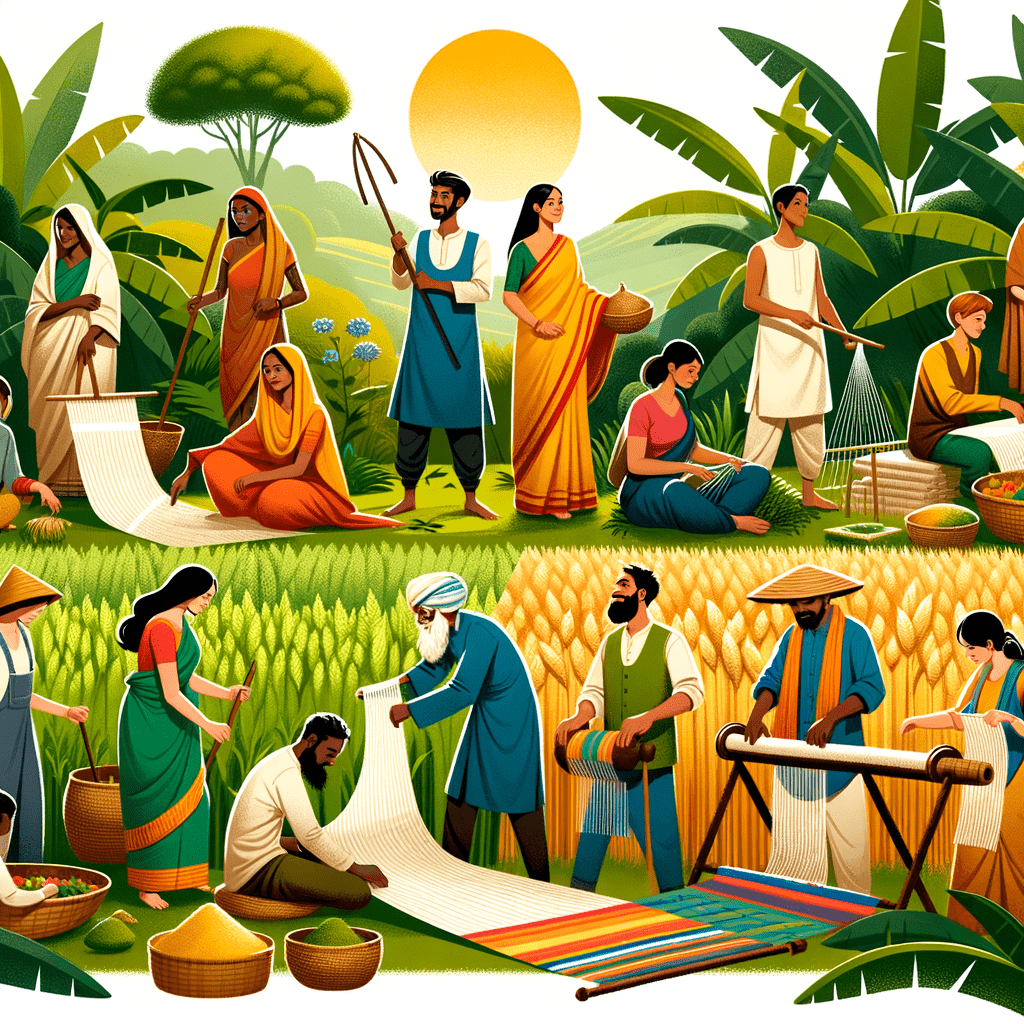
Introduction to Khadi Organic Products
Khadi, a handspun and handwoven natural fiber, holds a special place in the world of sustainable and eco-friendly fabrics. Khadi organic products are made from this traditional fabric, which is not only environmentally friendly but also carries a rich cultural heritage. The term “khadi” originated in India and has been associated with Mahatma Gandhi’s Swadeshi Movement, emphasizing the value of locally produced goods and the empowerment of rural communities.
Khadi organic products are known for their minimal environmental impact, as the production process involves no electricity or fuel, making it one of the most sustainable fabrics available. This aligns with the growing global trend towards eco-conscious consumerism and ethical production practices.
The Cultural Significance of Khadi
Beyond its sustainable qualities, khadi holds immense cultural significance, particularly in India. It has been a symbol of self-reliance, independence, and resistance against colonialism. The production of khadi empowers local artisans and supports rural communities, preserving age-old traditional weaving techniques and craftsmanship.
Moreover, khadi is deeply intertwined with India’s history and identity, as it played a pivotal role in the country’s struggle for independence. It became a symbol of economic freedom and self-sufficiency, promoting unity and resilience among the Indian populace.
Sustainable Practices in Khadi Production
Khadi, a hand-spun and hand-woven cloth, holds a significant position in India’s cultural heritage. The production of khadi is not only a labor of love but also a model of sustainability. The process begins with the cultivation of organic cotton, which is grown without synthetic pesticides or fertilizers. This reduces harm to the environment and promotes biodiversity.
The eco-friendly methods of khadi production also include water conservation techniques. Artisans use minimal water in their weaving processes compared to industrial methods. Additionally, khadi production employs renewable energy sources, such as solar power, to operate machinery. This commitment to green energy diminishes the overall carbon footprint.
Moreover, khadi provides a livelihood to millions of rural artisans. This ensures that traditional skills are passed down through generations. By supporting khadi, you inadvertently support rural economies, creating a sustainable cycle of growth and preservation.
Khadis are dyed using natural dyes sourced from plants, roots, and minerals. These dyes are devoid of harmful chemicals, making the fabrics safer for consumers and the planet. The collective impact of these sustainable practices contributes to an eco-conscious lifestyle.
Through reinforcing local communities and embracing environmentally friendly techniques, khadi embodies a true essence of sustainable fashion. Choosing khadi organic products supports an ethical practice that resonates well with modern consumer values.
Benefits of Using Khadi Organic Products
Khadi organic products offer numerous advantages, making them increasingly popular among eco-conscious consumers. First and foremost, these products are crafted from natural fibers. They provide tremendous breathability and comfort, making them suitable for various climates.
Using khadi organic items also promotes skin health. Traditional khadi is free from harmful chemicals often found in mass-produced fabrics. As a result, it is less likely to cause skin irritations or allergies, ensuring that it is gentle on the skin.
Another significant benefit lies in durability. Khadi is known for its strength and resilience. When cared for properly, these items can last for years, reducing the need for frequent replacements. This durability is a testament to the quality associated with khadi organic products.
Moreover, choosing khadi aligns with ethical consumption. Buying these products contributes to sustainable livelihoods for artisans. It supports craftsmanship and promotes the revival of traditional techniques. When you choose khadi, you directly invest in local communities and their heritage.
Lastly, khadi organic products play a vital role in reducing waste in the fashion industry. By opting for these sustainable options, consumers can help combat fast fashion, encouraging more responsible production practices. These benefits make khadi organic the go-to choice for those prioritizing sustainable and ethical living.
Conclusion
Khadi organic products hold immense cultural significance and offer sustainable practices that align with the growing demand for eco-friendly and socially responsible goods. The revival of khadi as a symbol of India’s independence movement has paved the way for its modern interpretation as an ethical and environmentally conscious choice. By choosing khadi organic products, consumers not only embrace a cultural heritage but also contribute to sustainable livelihoods and eco-friendly practices.
Call to Action
As online businesses and consumers, it’s essential to recognize the value of khadi organic products in promoting sustainability and supporting ethical practices. To enhance your offerings and contribute to a greener world, consider incorporating khadi organic products into your inventory. Partnering with verification services, such as ours, can ensure the authenticity and quality of these products, providing peace of mind to both businesses and consumers.
Together, let’s champion the legacy of khadi and empower communities while fostering a sustainable future. Embrace the cultural significance and sustainable practices of khadi organic products today. Contact us to learn more about our verification services and how we can assist in promoting ethical and eco-friendly products within your online business. Let’s make a meaningful impact by choosing khadi organic products – the embodiment of tradition, sustainability, and ethical consumption.