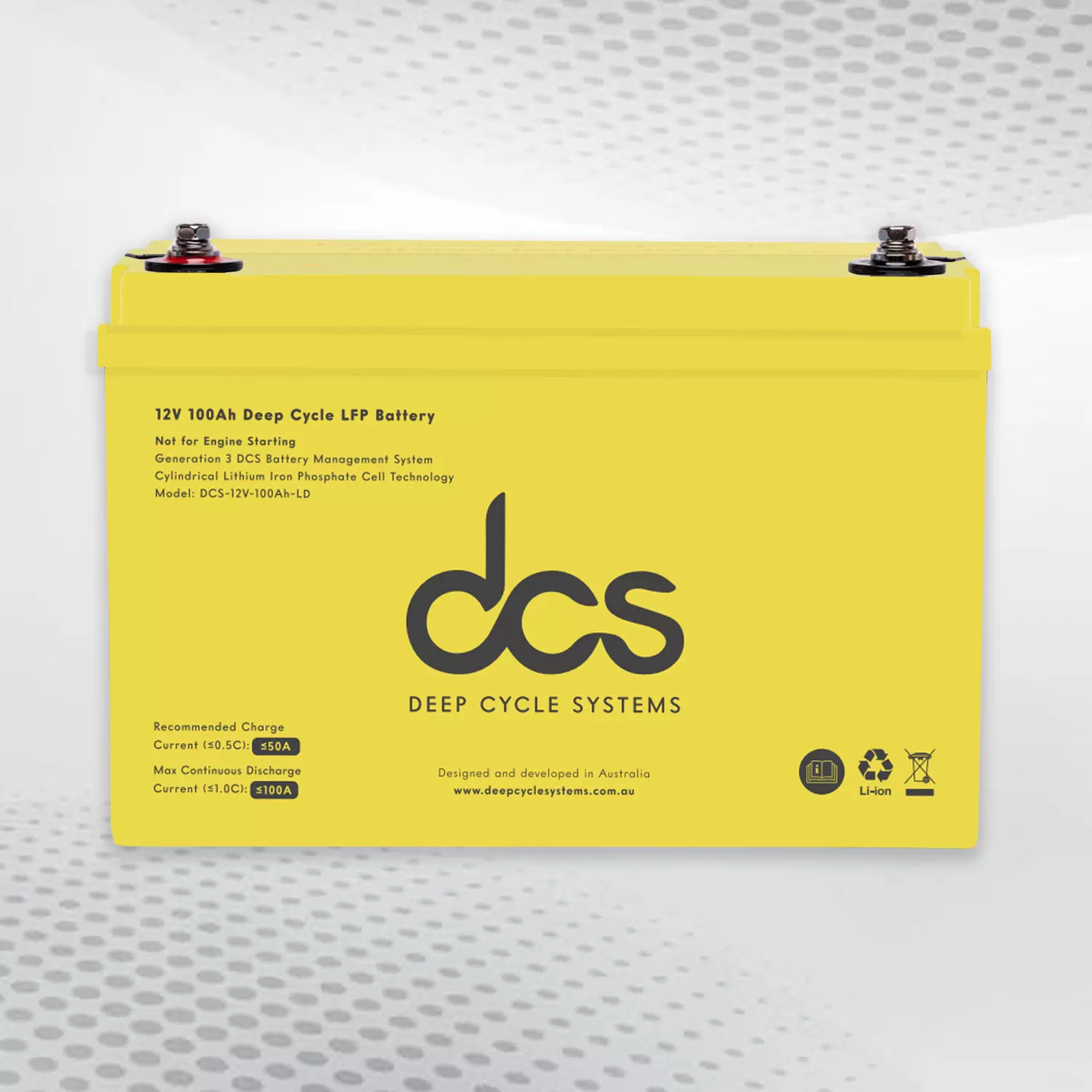
The 100 Ah lithium battery is a robust and efficient solution for many applications in portable energy storage. Known for its remarkable energy density and longevity, this type of battery has become increasingly popular in various sectors. This blog post delves into the specifics of the 100-Ah lithium battery, offering insights into its benefits, applications, and considerations for choosing the right one.
Understanding the 100-Ah Lithium Battery
The 100-Ah lithium battery is a rechargeable power source characterized by its capacity to deliver a steady current of 100 amperes for one hour. Compared to traditional lead-acid batteries, lithium batteries stand out due to their high energy density, allowing them to store more energy in a smaller, lighter package. This efficiency is achieved through advanced chemical composition and design, making these batteries lightweight and highly durable. Additionally, they can be charged and discharged numerous times without significant loss in performance. This makes them a preferred option for modern applications ranging from electric vehicles to renewable energy storage systems.
Benefits of Using a 100-Ah Lithium Battery
One of the standout features of a 100Ah lithium battery is its impressive cycle life, often enduring thousands of charge and discharge cycles without a significant drop in capacity. This longevity is complemented by a high discharge rate, allowing rapid energy delivery. Additionally, these batteries exhibit a low self-discharge rate, meaning they retain most of their charge even after extended periods of inactivity. Their lightweight design and compact size make them ideal for various applications, from portable electronics to renewable energy systems. The minimal maintenance requirements and robustness against harsh environmental conditions further enhance their appeal, making them a highly reliable power source.
Impressive Cycle Life
A 100Ah lithium battery boasts an exceptional cycle life, often lasting up to 3,000 to 5,000 cycles at 80% depth of discharge (DoD). This extended lifespan surpasses traditional lead-acid batteries, which typically endure around 500 to 1,000 cycles. The superior chemistry of lithium-ion cells ensures that the battery maintains its capacity and performance over many more cycles, providing long-term reliability and reducing the need for frequent replacements. This durability makes lithium batteries cost-effective and sustainable for residential and commercial applications.
High Discharge Rate
The high discharge rate of a 100Ah lithium battery allows for rapid energy delivery, making it suitable for applications requiring quick power bursts. Whether powering electric vehicles, high-performance tools, or demanding electronic devices, these batteries can efficiently supply the necessary energy without compromising performance. The ability to deliver high currents ensures that connected devices operate smoothly and reliably, enhancing the overall user experience and expanding the range of possible applications.
Low Self-Discharge Rate
A low self-discharge rate is a significant advantage of 100Ah lithium batteries, enabling them to retain most of their charge even after extended periods of inactivity. Typically, these batteries lose less than 5% of their monthly charge, compared to higher rates seen in traditional batteries. This feature is particularly beneficial for backup power systems, seasonal equipment, and devices not used regularly, ensuring the battery remains ready whenever needed without frequent recharging.
Lightweight and Compact Design
The lightweight and compact design of 100Ah lithium batteries makes them highly versatile and easy to install in various settings. Weighing significantly less than lead-acid counterparts, these batteries are ideal for applications where space and weight are critical, such as in portable electronics, electric bikes, and off-grid renewable energy systems. Their sleek and streamlined form factor allows for flexible placement, maximizing space efficiency and enabling integration into tight or unconventional spaces without sacrificing performance.
Minimal Maintenance Requirements
One of the key benefits of 100Ah lithium batteries is their minimal maintenance requirements. Lithium batteries are virtually maintenance-free, unlike lead-acid batteries, requiring regular watering and monitoring. They do not suffer from issues like sulfation or stratification, which can degrade battery performance over time. This low maintenance demand simplifies ownership, reduces ongoing costs, and ensures that the battery remains in optimal condition with little effort from the user.
Robustness Against Harsh Environmental Conditions
100Ah lithium batteries are designed to withstand harsh environmental conditions, including extreme temperatures, vibrations, and exposure to moisture. Their robust construction and advanced materials remain reliable and efficient even in challenging environments. This resilience makes them suitable for outdoor installations, industrial applications, and mobile setups, where durability and performance are paramount.
Versatile Applications
The versatility of 100Ah lithium batteries makes them an excellent choice for various applications. These batteries offer dependable energy storage solutions across diverse industries, from powering renewable energy systems like solar and wind installations to serving as reliable backup power sources for telecommunications and medical equipment. Their ability to deliver high performance, coupled with their compact and lightweight design, makes them suitable for both stationary and mobile applications, catering to the evolving needs of modern energy consumers.
Applications of 100 Amp Lithium Ion Battery
The 100 amp lithium ion battery finds utility in diverse applications due to its high energy density and reliability. Electric vehicles power everything from compact cars to buses, providing consistent and efficient energy. Marine applications also benefit from its lightweight and robust design, which is ideal for powering boats and yachts. In the renewable energy sector, these batteries are employed for energy storage, ensuring a steady electricity supply from solar panels and wind turbines.
Furthermore, they are extensively used in portable electronics such as laptops and medical devices, where longevity and quick recharging are critical. Industrial uses, including backup power systems and off-grid solutions, also leverage the benefits of a 100 Ah lithium-ion battery to maintain continuous operations and reduce downtime.
Key Factors to Consider When Choosing a Battery
When evaluating a 100Ah lithium battery, several critical aspects warrant attention. By carefully assessing these factors, consumers can ensure they select a battery that best fits their needs and offers optimal performance and longevity.
Application-Specific Requirements
The application’s specific requirements are crucial, as varying uses necessitate different discharge rates and capacities. For instance, a battery intended for electric vehicles will require a higher discharge rate than one used for home energy storage. Understanding the power demands of your application ensures that the battery can deliver the necessary performance without compromising efficiency.
Compatibility with Existing Systems
Ensuring compatibility with existing systems is vital to avoid integration issues. This includes checking the battery’s voltage, connectors, and communication protocols to ensure seamless integration with your current setup. Incompatible batteries can lead to inefficient performance or even damage to connected devices, making it essential to verify specifications before purchasing.
Cycle Life and Warranty
Assessing the battery’s cycle life and warranty provides insights into its durability and reliability. A longer cycle life indicates the battery can undergo more charge and discharge cycles before its capacity significantly diminishes. A comprehensive warranty offers peace of mind, ensuring the manufacturer will address any defects or issues.
Safety Features
Safety features, such as overcharge protection and thermal management, are essential to minimize risks. Overcharge protection prevents the battery from being charged beyond its maximum capacity, reducing the risk of overheating and potential fire hazards. Effective thermal management systems help maintain optimal operating temperatures, enhancing safety and performance.
Operating Temperature Range
The operating temperature range is important, particularly for applications in extreme conditions. Batteries exposed to very high or low temperatures may experience reduced efficiency and shortened lifespan. Selecting a battery that can operate reliably within the expected temperature range of your environment ensures consistent performance and longevity.
Manufacturer Reputation and Customer Support
Lastly, evaluating the manufacturer’s reputation and the availability of customer support can offer added assurance of quality and service. Established manufacturers with positive reviews and strong customer support networks are more likely to provide reliable products and timely assistance if issues arise. Investing in a reputable brand ensures you receive a high-quality battery backed by dependable service.
Technological Advancements in Lithium Batteries
Recent technological advancements have significantly enhanced the capabilities of lithium batteries. One major innovation is the development of solid-state lithium batteries, which offer higher energy densities and faster charging times while reducing the risks associated with overheating and fire. Furthermore, advances in nanotechnology have improved the efficiency of electrodes, leading to increased storage capacity and longer lifespans.
Researchers are also exploring alternative materials, such as silicon and graphene, to boost performance and sustainability. Enhanced battery management systems provide better control over charging and discharging processes, ensuring optimal performance and safety. These advancements continually improve the efficiency and reliability of 100 Ah lithium batteries, making them increasingly suitable for a broader range of applications.
Safety and Maintenance Tips for Li Ion Battery 100Ah
A li ion battery 100ah requires adherence to safety and maintenance guidelines to ensure optimal performance and longevity. First, it is essential to use a charger specifically designed for lithium batteries to prevent overcharging, which can lead to overheating and potential hazards. Regularly inspecting the battery for any signs of physical damage or swelling is crucial, as these can indicate underlying issues.
Storing the battery in a cool, dry place away from direct sunlight helps maintain its health, as extreme temperatures can adversely affect performance. Additionally, avoiding deep discharges and keeping the battery charged to at least 20% can extend its lifespan. Battery management systems can enhance safety by monitoring and regulating voltage and temperature.
Periodic calibration, by fully charging and then discharging the battery, can help maintain accurate capacity readings. Finally, recycling and disposal practices should be followed to mitigate environmental impact, as improperly discarded lithium batteries pose ecological and safety risks.
Economic Considerations and Cost Efficiency
While the initial expenditure for a 100-Ah lithium battery may be more substantial than traditional battery types, its long-term economic benefits make it a sound investment. The extended lifespan of lithium batteries means they do not require frequent replacements, thereby saving costs over time. These batteries typically have lower maintenance requirements, reducing ongoing expenses. Their high energy efficiency can lead to savings in energy consumption, particularly in applications such as renewable energy systems, where efficient storage translates to more effective use of generated power.
Furthermore, lithium batteries’ consistent performance and reliability can minimize downtime and operational disruptions, which can be costly in industrial and commercial settings. As technological advancements continue to drive down production costs and improve battery performance, the economic appeal of 100 Ah lithium batteries is likely to grow, making them an increasingly viable option for a wide array of applications.
Environmental Impact and Sustainability
The environmental considerations surrounding 100 Ah lithium batteries are multifaceted. Although lithium extraction and processing can have notable ecological impacts, ongoing advancements aim to mitigate these through more sustainable mining practices and enhanced recycling methods. Lithium batteries are more environmentally friendly during their operational lifespan compared to many alternatives due to their high energy efficiency and reduced need for frequent replacements. The longevity of these batteries translates to less frequent disposal, thereby decreasing the volume of waste entering landfills.
Additionally, using lithium batteries in renewable energy systems promotes the broader adoption of clean energy technologies, contributing to a reduction in greenhouse gas emissions. As recycling technologies continue to evolve, the ability to reclaim valuable materials from used batteries is expected to improve, further reducing their environmental footprint. The commitment to developing eco-friendly production and disposal methods reflects an industry-wide recognition of the need for sustainability in energy storage solutions.
Conclusion
The 100 Ah lithium battery has emerged as a pivotal innovation in energy storage, distinguished by its high energy density and durability. Its suitability for various applications—from electric vehicles and marine uses to renewable energy storage and portable electronics—underscores its versatility. Despite a higher initial investment, the battery’s longevity and minimal maintenance requirements offer significant long-term economic benefits. Technological advancements continuously enhance performance and safety, making these batteries increasingly efficient and reliable. The environmental benefits are notable, particularly in promoting cleaner energy solutions and reducing waste through fewer replacements.
FAQs
1. What is the lifespan of a 100 Ah lithium battery?
A 100 Ah lithium battery typically has a lifespan ranging from 5 to 15 years, contingent on usage patterns and adherence to proper maintenance guidelines.
2. Can a 100-Ah lithium battery be used in all types of vehicles?
Though it is well-suited for electric and hybrid vehicles, compatibility with the specific vehicle model and its requirements must be verified.
3. Are there special charging requirements for 100 Ah lithium batteries?
Indeed, chargers specifically designed for lithium batteries should be used to ensure optimal charging efficiency and safety.
4. How do lithium batteries compare to lead-acid batteries?
Lithium batteries provide higher energy density, longer lifespan, and greater efficiency than lead-acid batteries, albeit with a higher initial investment.
5. What are the disposal considerations for lithium batteries?
Proper recycling channels should be utilized to dispose of lithium batteries to minimize environmental impact and facilitate the recovery of valuable materials.