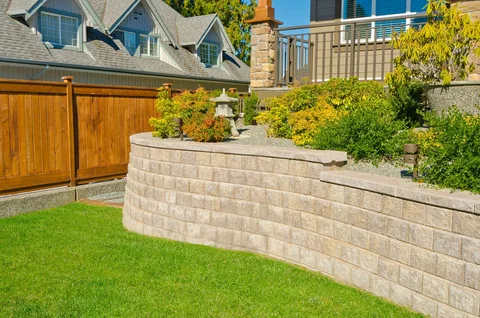
Retaining Wall Construction Brisbane has become an essential aspect of landscaping and property development. With the city’s diverse topography and the need to maximise usable land, these structures play a critical role in managing soil erosion, water drainage, and creating aesthetically pleasing outdoor spaces. This comprehensive guide delves into the importance, types, planning considerations, materials, costs, challenges, and maintenance of retaining walls in Brisbane. It also explores the decision-making process between hiring professionals and undertaking a DIY project.
The Importance of Retaining Walls in Brisbane
Retaining walls hold significant importance in Brisbane due to the city’s varied landscape and frequent heavy rainfall. These structures are indispensable for preventing soil erosion by stabilising steep slopes and creating usable, levelled spaces for gardens, patios, and driveways. The ability to manage water runoff effectively is another critical function of retaining walls, as they help direct water away from structures and reduce the risk of flooding.
In addition to their practical benefits, retaining walls contribute to the aesthetic appeal of properties, enabling homeowners to design attractive and functional outdoor areas. They also enhance property value by making otherwise challenging terrains more accessible and usable.
Furthermore, in densely populated urban areas, retaining walls facilitate the efficient use of space by allowing for the construction of terraces and multi-level gardens. Their role in supporting the structural integrity of buildings constructed on or near slopes cannot be overstated, making them a crucial element in Brisbane’s property development and landscaping projects.
Types of Retaining Walls to Consider
Several types of retaining walls are frequently utilised in Brisbane, each offering distinct advantages suited to various applications. Gravity walls, which rely on their considerable mass to withstand soil pressure, are often constructed from robust materials such as stone or concrete.
Cantilever walls, typically crafted from reinforced concrete, utilise a vertical arm and base slab to resist the lateral earth pressure, making them a popular choice for higher walls. Sheet piling walls are effective in confined spaces and involve driving steel, vinyl, or timber sheets into the ground to create a sturdy barrier. Additionally, anchored walls are reinforced with cables or rods anchored into the surrounding soil or rock, providing extra stability for retaining walls subject to significant loads or built on challenging terrains.
Gabion walls, composed of wire mesh baskets filled with rocks or concrete, offer both durability and a visually appealing, natural look. Segmental retaining walls, made from interlocking concrete blocks, provide flexibility in design and ease of installation, making them an attractive option for many residential and commercial projects in Brisbane. Each type of retaining wall offers unique benefits tailored to the specific needs of the landscape and project requirements.
Planning and Design Considerations
Planning and design considerations for retaining wall construction in Brisbane necessitate a thorough understanding of the specific site conditions and project requirements. Critical factors include assessing soil stability, wall height, and load-bearing capacities. Engineers must evaluate potential ground movement and water drainage patterns to ensure the structural integrity of the wall.
Additionally, local council regulations and building codes must be adhered to, as they dictate permissible heights and necessary permits. The selection of wall type should be informed by both functional needs and aesthetic preferences, ensuring that the chosen design complements the existing landscape and architecture. Thoughtful planning of the drainage system is essential to prevent water accumulation behind the wall, which could compromise its stability.
Access to the site and any potential obstacles, such as existing trees or underground utilities, should also be considered during the planning phase. Each decision made during the design process impacts the longevity and effectiveness of the retaining wall, making careful consideration of these elements paramount.
Materials and Tools Required
For the construction of retaining walls in Brisbane, a variety of materials and tools are essential to ensure the project’s success. Among the most commonly used materials are concrete blocks, natural stone, timber, and brick, each selected based on the desired strength, aesthetic, and functional requirements of the wall. Concrete blocks are particularly favoured for their robustness and ease of installation, whereas natural stone offers a visually appealing, timeless finish.
Timber and brick can also be utilised, providing flexibility in design. The construction process necessitates specific tools, including a spirit level for ensuring alignment, measuring tape for precise dimensions, and a shovel for excavation tasks. A wheelbarrow is indispensable for transporting materials, while a compactor is crucial for achieving a stable base.
Additional tools such as trowels, hammers, and masonry saws may be required depending on the material chosen and the intricacy of the design. The careful selection and use of these tools and materials are paramount in achieving a durable and aesthetically pleasing retaining wall, tailored to the unique landscape and architectural style of Brisbane properties.
Retaining Wall Installation Brisbane: Key Considerations and Steps
Retaining Wall Installation Brisbane can enhance your landscape, prevent soil erosion, and create functional outdoor spaces. However, it’s essential to approach the project with careful planning and execution. Here are the key considerations and steps involved in the installation process.
Purpose and Design
Determine the primary purpose of the retaining wall. Whether it’s for erosion control, creating flat areas for planting, or aesthetic appeal, this will influence the design and materials used.
Local Regulations
Check with Brisbane City Council regarding zoning laws and building codes. Certain regulations may apply, especially for walls over a specific height. Obtaining the necessary permits is crucial to avoid potential fines or project delays.
Material Selection
Common materials for retaining walls include concrete blocks, timber, and natural stone. Each material has its pros and cons, such as durability, cost, and visual appeal. Choose one that fits your budget and desired aesthetic.
Site Assessment
Evaluate the site for drainage issues, soil stability, and slope. Proper drainage is vital to prevent water buildup, which can compromise the wall’s integrity. Consider consulting a professional for a thorough assessment.
Budgeting
Factor in the costs of materials, labor, and any additional features like drainage systems or landscaping. It’s wise to include a contingency budget for unexpected expenses.
Common Challenges and Solutions
Retaining wall construction in Brisbane often faces the challenge of reactive clay soils, which expand and contract with varying moisture levels, potentially causing wall movement or cracking. To mitigate this, incorporating proper drainage systems and flexible joints is essential.
Another common issue is the presence of existing landscaping features such as trees or underground utilities, which necessitates careful planning to avoid disruption and damage. The varied topography of Brisbane can also pose difficulties, requiring customised engineering solutions to ensure stability. High rainfall levels may lead to water pressure build-up behind walls, demanding efficient drainage designs to prevent structural failure.
Additionally, ensuring compliance with local council regulations and obtaining necessary permits can be a complex process, requiring thorough documentation and adherence to specific building codes. Addressing these challenges through meticulous planning, appropriate material selection, and adherence to engineering best practices is crucial for the successful construction of durable retaining walls in Brisbane.
Maintenance and Longevity
Maintaining a retaining wall in Brisbane involves routine inspections and timely interventions to ensure its structural integrity and aesthetic appeal. Regularly checking for erosion or water accumulation around the wall is critical, as these issues can lead to more significant problems if left unaddressed.
Drainage systems should be kept clear of debris to facilitate proper water flow, which helps prevent hydrostatic pressure build-up. Minor cracks or signs of wear should be promptly repaired using suitable materials to prevent further deterioration. Timber retaining walls, in particular, require periodic treatments with preservatives to guard against rot and insect infestations, extending their lifespan.
In regions with high rainfall, like Brisbane, monitoring the wall’s drainage efficiency is paramount. Employing preventative measures, such as installing geotextiles and maintaining vegetation cover, can also contribute to the wall’s durability. Regular upkeep not only prolongs the functional life of the retaining wall but also preserves its contribution to the property’s visual and structural landscape.
Hiring Professionals Vs. DIY
When considering retaining wall construction in Brisbane, the choice between hiring professionals and undertaking a DIY project hinges on various critical aspects, including the intricacy of the design and the individual’s construction experience. Engaging experienced contractors can provide significant advantages, such as ensuring compliance with local council regulations and building codes, which are vital for structural safety and legal adherence.
Professionals bring a wealth of expertise, particularly in handling complex engineering challenges posed by Brisbane’s diverse topography and soil conditions. Their ability to efficiently manage unforeseen issues, such as reactive soils or drainage complications, often results in a more durable and aesthetically pleasing outcome. Conversely, a DIY approach may be more suitable for smaller projects that require less technical proficiency. It offers the potential for cost savings on labour and allows for a personal touch in the construction process.
However, it necessitates a thorough understanding of the materials and tools required, as well as the physical labour involved in tasks such as excavation and material handling. The risk of potential mistakes and the need for future repairs must also be considered, as these can escalate costs and compromise the wall’s integrity. Ultimately, the decision should be based on a realistic assessment of the project’s demands and the individual’s capabilities, ensuring that the chosen method aligns with the desired quality and durability of the retaining wall.
Conclusion
Retaining Wall Construction Brisbane is a vital aspect of effective landscape management, providing support for soil, enhancing garden aesthetics, and preventing erosion. This comprehensive guide outlines the essential considerations, from material selection and design to compliance with local regulations and drainage solutions. By following best practices and consulting professionals when needed, homeowners can create durable and visually appealing retaining walls that not only improve their outdoor spaces but also add value to their properties.
FAQs
What permits are required for building a retaining wall in Brisbane?
Depending on the height and location of the wall, you may need to obtain permits from your local council. It’s essential to check with Brisbane City Council for specific regulations and requirements to ensure compliance.
What materials are best for Retaining Wall Construction Brisbane?
Common materials for Retaining Wall Construction Brisbane include treated timber, concrete blocks, natural stone, and modular concrete systems. The best choice depends on factors like budget, design preferences, and the wall’s intended purpose.
How do I ensure proper drainage for my retaining wall?
Proper drainage is crucial to prevent water buildup behind the wall. Incorporating weep holes, gravel backfill, and drainage pipes can help manage water flow and maintain the wall’s stability.
What is the typical lifespan of a retaining wall?
The lifespan of a retaining wall varies by material and environmental conditions. Timber walls may last 10-20 years, while concrete and stone walls can last several decades with proper maintenance, making them a more durable option.