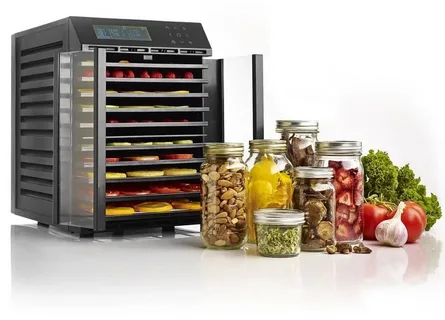
The art of preserving food has evolved significantly over the years, and one of the most influential modern methods is using food dehydrators. Whether you’re looking to preserve seasonal fruits and vegetables or create healthy snacks for your family, a dehydrator is an indispensable tool for any kitchen. In this blog post, we will explore the myriad benefits of owning a dehydrator, the key features to look for when purchasing one, and the available top options. Additionally, we’ll provide tips for dehydrating your favourite produce and offer creative snack ideas that you can easily prepare. Finally, we’ll cover maintenance and care to ensure your dehydrator continues to serve you well for years.
Benefits of Using a Food Dehydrator
A food dehydrator offers many benefits, making it a practical and valuable addition to any household. Here’s why investing in a food dehydrator can significantly improve your food storage and consumption:
Prevents Spoilage
- Inhibits Bacterial Growth: By removing moisture from fruits, vegetables, and meats, a food dehydrator effectively prevents the growth of bacteria, yeast, and moulds that cause food spoilage. This allows you to store dehydrated foods for more extended periods without refrigeration or preservatives.
- Extended Shelf Life: When stored properly, dehydrated foods can last months or even years, making them an excellent method for preserving seasonal produce and ensuring nutritious food is available year-round.
Nutrient Retention
- Maintains Vitamins and Minerals: Unlike high-heat preservation methods, food dehydrators use low temperatures, helping retain the vitamins and minerals in fresh produce. This means you can enjoy nutrient-rich snacks and meals even long after the food is harvested.
- Healthier Alternatives: Dehydrated snacks like fruit chips or vegetable crisps provide a healthier alternative to store-bought options, often containing additives, artificial flavours, and preservatives.
Cost-Effective and Economical
- Bulk Purchasing and Preservation: During peak season, when fruits and vegetables are often cheaper, you can purchase them in bulk and dehydrate and store them for later use. This allows you to enjoy your favourite produce out of season without paying a premium for off-season prices.
- Reduce Food Waste: A food dehydrator helps reduce food waste by preserving excess produce that would otherwise spoil. Instead of discarding overripe fruits or extra vegetables, you can dehydrate them and save money in the long run.
Homemade, Additive-Free Snacks
- Control Ingredients: With a food dehydrator, you have complete control over the ingredients in your snacks, ensuring they are free from unnecessary sugars, salts, or preservatives that are commonly found in store-bought dried foods.
- Versatile Snack Options: You can create a variety of delicious, homemade snacks such as fruit leathers, jerky, dried herbs, and vegetable crisps. Dehydrated foods can also be used in recipes like soups and casseroles, adding flavour and nutrition without artificial enhancers.
Enjoy Seasonal Produce Year-Round
- Preserve Freshness: Dehydrating fruits and vegetables allows you to capture the freshness and flavour of seasonal produce at its peak, so you can enjoy it throughout the year. Whether it’s summer berries, fall apples, or spring herbs, a food dehydrator lets you savour the taste of each season whenever you like.
- Long-Term Food Security: Dehydrating food provides convenience and serves as a form of food security, giving you access to nutritious meals and snacks, even when fresh produce may be scarce.
A food dehydrator offers numerous benefits that extend beyond simple food preservation. It supports a more economical and health-conscious lifestyle by preventing spoilage, retaining nutrients, and allowing you to create healthy, additive-free snacks. Whether preserving seasonal produce, reducing food waste, or preparing nutritious snacks, a food dehydrator is a valuable tool that adds convenience and sustainability to any kitchen.
Key Features to Look for in the Best Dehydrator
When choosing the best dehydrator, consider features such as adjustable temperature control, which allows for precise drying of different types of food. A timer is also helpful in setting specific drying times without constant monitoring. Look for models with a large capacity or expandable trays, especially if you plan to dehydrate in bulk. Consistent airflow is essential; horizontal airflow systems are often more effective for even drying compared to vertical ones. Noise level can be a factor, too, particularly if you have an open-plan kitchen. Additionally, easy-to-clean trays and components will simplify maintenance. Finally, the overall build quality and warranty for long-term reliability should be considered.
Tips for Dehydrating Fruits and Vegetables
To achieve the best results when using a food dehydrator, follow these essential tips for preparing and drying fruits and vegetables:
- Choose Fresh, Ripe Produce
- Best Flavor and Nutrition: Select fruits and vegetables at their peak ripeness for optimal flavour and nutritional value. Overripe or damaged produce can result in inconsistent drying and less flavorful results.
- Slice Uniformly
- Even Drying: Cut fruits and vegetables into uniform slices to ensure they dry evenly. This consistency helps avoid under-drying or over-drying some pieces, which can affect both texture and storage.
- Prevent Oxidation in Fruits
- Soak in Lemon Juice: For fruits that tend to brown, such as apples, pears, or bananas, briefly soak the slices in a mixture of water and lemon juice. This will prevent oxidation and preserve the fruit’s natural colour.
- Blanch Vegetables
- Enhance Color and Nutrient Retention: Blanching vegetables like carrots, green beans, and broccoli briefly in boiling water, followed by cooling in an ice bath, help maintain their colour, texture, and nutrient content during the dehydration process.
- Rotate Trays for Consistent Drying
- Ensure Even Results: In vertical airflow models, rotating the trays periodically ensures that all pieces dry evenly, as heat distribution can be uneven across different levels. This step is crucial for thicker or denser produce.
By following these preparation techniques, you can enhance your dehydrated fruits and vegetables’ flavour, texture, and nutritional quality, ensuring consistent and delicious results.
Creative Snack Ideas Using a commercial dehydrator
A commercial dehydrator offers an exciting array of creative snack possibilities that can elevate your kitchen endeavours and business operations. The versatility of a dehydrator allows you to experiment with a wide variety of fruits, vegetables, meats, and grains, transforming them into delicious, healthy snacks that are perfect for any occasion. Here’s a closer look at some innovative ways to use a dehydrator:
Fruit Leather
Homemade Fruit Rolls: One of the most popular dehydrator snacks is fruit leather, which can be made by pureeing your favourite fruits and spreading the mixture evenly onto dehydrator trays. Popular fruits for fruit leather include apples, berries, peaches, and mangos. Adding a bit of honey or a squeeze of lemon can enhance flavour and preserve freshness. Once dehydrated, the result is a chewy, sweet treat perfect for snacking on the go. Homemade fruit leather is not only healthier than store-bought versions, but it also allows you to experiment with unique flavour combinations.
Vegetable Chips
Crispy and Savory Snacks: A dehydrator excels at making crunchy, savoury vegetable chips. You can use kale, sweet potatoes, courgettes (zucchini), or carrots as a base. Simply slice the vegetables thinly, toss them with olive oil, salt, and your favourite spices (such as paprika, garlic powder, or nutritional yeast), and dehydrate until crispy. The result is a healthier alternative to fried chips, offering the same satisfying crunch without the added oils and fats. Vegetable chips are perfect for dipping in hummus or enjoying on their own.
Beef Jerky
Homemade Protein-Packed Snack: Beef jerky is another favourite that’s easy to make in a dehydrator. Start by marinating thin slices of beef in your preferred seasoning blend—soy sauce, Worcestershire sauce, garlic, black pepper, and smoked paprika are popular options. Dehydrate the meat until it reaches a chewy texture, perfect for snacking. Homemade jerky allows you to control the ingredients, making it a healthier and more affordable alternative to store-bought varieties.
Dried Fruit Slices with Dark Chocolate
Sweet and Healthy Treats: Dehydrated fruit slices dipped in dark chocolate are a fun, creative snack for those with a sweet tooth. Dehydrate apple, banana, or pear slices until they’re crispy, then dip half of each slice in melted dark chocolate. Once the chocolate hardens, you have a delectable, guilt-free dessert. The combination of sweet fruit and rich dark chocolate makes for a satisfying treat packed with antioxidants and nutrients.
Granola
Homemade Granola: You can also use a dehydrator to create your granola. Combine oats, nuts, seeds, honey, and dried fruits (like raisins or cranberries) into a mix, then spread it on dehydrator trays. Dehydrating this mixture results in crunchy, delicious granola perfect for topping yogurt, mixing it into smoothies, or enjoying it as a snack on its own. Customizing your granola with various ingredients and flavours adds to its appeal.
Dehydrated Herbs and Spices
Flavour Boosters: A dehydrator is perfect for drying fresh herbs like basil, parsley, thyme, and rosemary, as well as spices such as garlic or chilli peppers. Dehydrated herbs and spices are more potent than store-bought dried varieties, and they can add flavour to your dishes. Plus, drying your herbs helps reduce food waste and allows you to enjoy fresh herbs year-round.
A dehydrator opens up a world of culinary possibilities, offering the ability to make creative, healthy, and flavorful snacks at home or in a commercial setting. The snack options are virtually limitless, from sweet fruit leathers and chocolate-dipped fruit slices to savoury vegetable chips and protein-packed beef jerky. With some experimentation, you can easily customize your snacks to suit your tastes while enjoying the benefits of preservative-free, nutrient-dense foods.
Maintenance and Care for Your Dehydrator
Proper maintenance and care can significantly prolong your dehydrator’s lifespan and ensure optimal performance. Begin with regular cleaning:
- After each use, remove and wash the trays with warm, soapy water, allowing them to air dry completely before reassembly.
- Ensure the airflow vents remain unobstructed by dusting or wiping the interior with a soft cloth.
- Periodically inspect the fan and motor for any signs of wear or damage, referring to the manufacturer’s instructions for any specific maintenance needs.
- Store your dehydrator in a cool, dry place to protect it from moisture and temperature fluctuations.
Following these straightforward steps can keep your dehydrator running smoothly for years.
Conclusion
Owning a dehydrator opens up many culinary opportunities, allowing you to enjoy nutritious and delicious treats without relying on store-bought options. With various features to suit different needs, choosing a model that fits your lifestyle and culinary ambitions is essential. The possibilities are virtually limitless, from making fruit leathers and vegetable chips to creating your own beef jerky and dried herbs. Regular maintenance ensures your dehydrator remains in excellent working condition, providing reliable performance for years. Explore the creative potential that a high-quality dehydrator brings to your kitchen and delight in the convenience of readily available healthy snacks.
FAQS
What is a food dehydrator, and how does it work?
A food dehydrator is a kitchen appliance that removes moisture from food to preserve it. It works by:
- Circulating warm air around the food at a low temperature.
- Slowly reducing the water content prevents the growth of bacteria, mould, and yeast.
- Allowing the food to be stored for long periods without refrigeration.
What types of foods can be dehydrated?
A food dehydrator can be used to dry a wide variety of foods, such as:
- Fruits: Apples, bananas, strawberries, and mangoes.
- Vegetables: Carrots, tomatoes, kale, and zucchini.
- Meats: Jerky or dried meats.
- Herbs and spices: Basil, thyme, and rosemary.
How long does it take to dehydrate food?
The time required to dehydrate food depends on several factors, including:
- The type of food being dehydrated (fruits may take longer than herbs).
- The thickness of the slices.
- The temperature settings of the dehydrator.
- Typical drying times can range from 4 to 12 hours for fruits and vegetables, while meat jerky may take up to 24 hours.