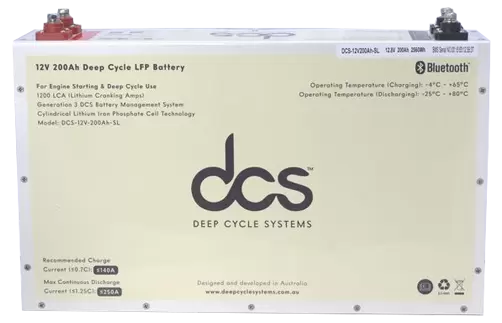
Batteries are a crucial part of the daily lives, powering everything from the smartphones to the cars. However, when it comes to deep-cycle batteries, many people may need to be more familiar with their purpose and how they differ from regular batteries. This ultimate guide will dive deep into deep-cycle batteries, exploring their construction, function, and various applications. Whether you’re a beginner looking to learn more about these powerful energy sources or a seasoned user seeking to expand your knowledge, this guide has got you covered. So, let’s charge up and get started on understanding deep cycle batteries!
What Is a Deep-Cycle Battery?
A deep-cycle battery is designed to deliver steady energy over an extended period. Unlike traditional car batteries, which provide short bursts of power for starting engines, deep-cycle batteries are built for prolonged use. These batteries can be discharged and recharged multiple times without significant damage, making them ideal for applications where consistent performance is crucial, such as RVs or renewable energy systems.
Deep-cycle batteries come in various chemistries, including lead-acid and lithium-ion. Each type has specific advantages that cater to different needs. This versatility allows users to choose the right battery based on their usage patterns and budget considerations. Understanding this fundamental definition sets the stage for exploring deeper aspects of these powerful energy sources.
Types of Deep-Cycle Batteries
Deep-cycle batteries come in several types, each designed to meet specific needs. One popular option is the flooded lead-acid battery, known for its robust performance and affordability. It requires regular maintenance, such as checking water levels. Another type is the sealed lead-acid battery, often called AGM (Absorbent Glass Mat). These are maintenance-free and offer higher discharge rates. They’re excellent for applications where space is limited.
Lithium-ion batteries have surged in popularity due to their lightweight design and longer lifespan. Though they tend to have a higher upfront cost, their efficiency makes them an attractive choice for many users. Gel batteries use a silica-based electrolyte that provides enhanced safety features by being less prone to leakage. Each type serves distinct purposes across various applications like RVs or renewable energy systems. Understanding these differences helps you make informed choices based on your specific requirements.
How Do Deep-Cycle Batteries Work?
Deep-cycle batteries are designed to provide steady power over an extended period. Unlike regular car batteries, which deliver quick bursts of energy for starting engines, these batteries are built for deep discharges and recharging cycles. The process begins with chemical reactions within the battery cells. When the battery is discharged, lead dioxide (PbO2) at the positive plate reacts with sponge lead (Pb) at the negative plate. This reaction generates electrical energy that powers your devices or appliances.
When it’s time to recharge, an external current flows back into the cells, and the chemical reactions reverse, restoring the original materials on both plates. This cyclical process allows deep-cycle batteries to be used repeatedly without significant damage. Their ability to handle numerous charge and discharge cycles makes them ideal for applications like RVs and solar power systems where consistent performance is crucial.
Advantages of Using Deep-Cycle Batteries
Deep-cycle batteries offer numerous benefits, making them ideal for various applications in renewable energy systems, marine usage, and recreational vehicles.
Longevity and Durability
Deep-cycle batteries are designed to withstand frequent discharging and recharging cycles. This durability ensures a longer lifespan compared to standard batteries.
Consistent Power Supply
These batteries deliver a steady power output over extended periods, making them suitable for applications requiring sustained energy, such as solar power systems.
Deep Discharge Capability
Deep-cycle batteries can be discharged more than regular batteries without significant damage, allowing users to utilize more of the stored energy.
Versatility in Applications
Deep-cycle batteries can be used in various applications, from off-grid solar setups to electric vehicles, making them a flexible energy solution.
Cost-Effective Energy Storage
Although the initial investment may be higher, the longevity and efficiency of deep-cycle batteries lead to lower overall costs in energy storage.
Environmentally Friendly Options
Many deep-cycle batteries are designed with eco-friendly materials and recycling processes, contributing to sustainability efforts in energy storage solutions.
Discuss Voltage and Capacity Ratings
Understanding voltage and capacity ratings is crucial when selecting a deep-cycle battery. Voltage indicates the battery’s electrical potential. Common voltages for these batteries include 6V, 12V, and 24V. Capacity is how much energy a battery can store, measured in amp-hours (Ah). A higher Ah rating means more stored energy. This directly impacts how long your devices will run on a single charge.
Consider your specific power needs when choosing the right voltage and capacity. For instance, an RV may require more juice than a small solar setup. Matching the battery’s specifications with your system requirements for optimal performance ensures reliable power delivery when you need it most. Balancing both voltage and capacity helps maximize efficiency while minimizing downtime during use.
Factors to Consider When Choosing a Deep-Cycle Battery
Choosing the right deep-cycle battery involves several key factors. First, consider the type of application you need it for—whether it’s an RV, a boat, or solar energy storage. Next, think about the capacity. Measured in amp-hours (Ah), this rating determines how long your battery will last before recharging. Match it with your power consumption needs for optimal performance. Voltage is another crucial aspect. Common options include 6V, 12V, and higher voltages for larger systems. Ensure compatibility with your existing setup to avoid issues down the line.
Weight and size matter, too; ensure that your chosen battery fits well within its designated space without adding excessive load to your vehicle or system. Take note of maintenance requirements. Some batteries are sealed and maintenance-free, while others require regular checks and electrolyte top-ups. Choose according to what best suits your lifestyle.
Deep Cycle Battery Explained: Powering Your RV, Solar System, And Beyond
A deep-cycle battery is designed to provide steady power over an extended period, making it ideal for applications such as RVs, marine systems, and solar energy storage. Unlike traditional car batteries that deliver short bursts of high energy to start engines, deep-cycle batteries are built to be discharged and recharged repeatedly. This characteristic allows them to maintain a consistent voltage level, enabling devices and appliances to run smoothly without interruption. Their robust design ensures longevity, even under demanding conditions, making them a reliable choice for those who rely on off-grid power sources.
When selecting a deep-cycle battery, consider factors like capacity, discharge rate, and intended use. These batteries come in various types, including lead-acid, lithium-ion, and gel, each with benefits and limitations. For example, while lead-acid batteries are more affordable, lithium-ion options offer greater efficiency and a longer lifespan. Understanding these differences will help you choose the right deep cycle battery for your specific needs, whether for powering an RV, supplying energy to a solar system, or supporting other energy-intensive applications.
Explain Proper Battery Installation
Proper installation of deep-cycle batteries is crucial for optimal performance. Always begin by selecting a clean, dry area to work in. This minimizes the risk of contamination and ensures safety. Next, ensure you have the necessary tools: wrenches or pliers for terminal connections and protective gear such as gloves and goggles. Safety should always be your priority.
When connecting the battery, start with the positive terminal. Attach it first to prevent accidental short circuits. Follow up with the negative terminal. Secure all connections tightly but avoid overtightening; this can damage terminals. Position your batteries upright unless specified otherwise by the manufacturer. Check that there’s adequate ventilation around your setup. Batteries emit gases during charging that need proper airflow to dissipate safely. Take these steps seriously for a long-lasting and efficient battery life!
Maintenance and Care Tips for Deep-Cycle Batteries
Proper maintenance and care of deep-cycle batteries are essential for maximizing their lifespan and performance.
Regular Inspection
Conduct routine inspections to check for signs of corrosion, leaks, or physical damage and ensure terminals are clean and secure.
Cleaning Terminals
Clean battery terminals with baking soda and water, then rinse them with clean water to free them from dirt and corrosion.
Proper Charging
Charge deep-cycle batteries at the recommended voltage and current settings. Avoid overcharging, as it can damage the batteries and reduce their life.
Avoid Deep Discharges
Refrain from discharging the battery below the recommended depth of discharge (DoD) to maintain health and longevity.
Temperature Control
Store and use batteries in environments with moderate temperatures. Extreme heat or cold can adversely affect battery performance and lifespan.
Regular Equalization
If applicable, perform equalization charges periodically to balance the voltage of individual cells, enhancing overall battery efficiency and longevity.
Highlight Best Practices for Prolonging Lifespan
Proper charging practices are essential to extending the life of your deep-cycle battery. Always use a charger designed for your battery type. Avoid overcharging or undercharging, as both can damage the cells. Temperature control matters, too. Store batteries in a cool, dry place to prevent heat-related issues that can shorten their lifespan. If you’re using them outdoors, consider insulation during extreme weather.
If your lead-acid batteries have flooded, regularly check fluid levels. Topping them up with distilled water keeps them functioning optimally and prevents sulfation buildup. Cleaning terminals is another key practice. A clean connection ensures efficient power transfer and reduces corrosion risks. Exercise caution when discharging your battery. Aim to keep it above 50% capacity before recharging to avoid deep discharges that can cause permanent damage over time.
Compare Deep-Cycle Batteries and Alternatives
Deep-cycle batteries stand out for their longevity and reliability when considering energy storage options. However, alternatives like lithium-ion and lead-acid batteries also deserve attention. Lithium-ion batteries are gaining popularity due to their lightweight nature and higher efficiency. They charge faster than traditional deep-cycle models but can be pricier upfront.
On the other hand, standard lead-acid batteries offer a cost-effective solution with a simpler design. While they may have shorter lifespans than deep cycle varieties, they still serve well in less demanding applications. Gel and AGM (Absorbed Glass Mat) types present yet another option, providing enhanced safety features since they are sealed and spill-proof. However, these alternatives often come at a higher price point while delivering comparable performance depending on your needs. Matching battery technology with usage requirements is key to making an informed choice that best suits your lifestyle or project demands.
Common Misconceptions about Deep-Cycle Batteries
Many believe deep-cycle batteries are only suitable for marine or RV applications. This is far from the truth. They can power solar systems, electric vehicles, and other devices requiring sustained energy. Another misconception is that these batteries should be fully discharged before recharging. In reality, frequent shallow discharges prolong a battery’s lifespan. Deep cycling too often may lead to premature failure.
Some think all deep-cycle batteries are alike in performance; however, there are significant differences depending on the type—AGM, gel, or flooded lead acid each has unique characteristics. People also assume maintenance-free means no care at all. While some types require less upkeep, regular corrosion and fluid level checks can enhance efficiency and longevity. Understanding these myths helps users make informed choices about their energy needs and optimizes battery use efficiently.
Conclusion
In summary, deep cycle batteries are essential for various applications, from renewable energy systems to recreational vehicles and marine use. Understanding their unique characteristics, including the differences between AGM and flooded batteries, can help you make informed decisions about your power needs. Regular maintenance, proper charging techniques, and selecting the right battery size for your requirements will enhance their longevity and efficiency. With this ultimate guide, you’re now equipped with the knowledge to choose the best deep-cycle battery for your specific needs and enjoy reliable power for years.
FAQ’s
What is the lifespan of a deep cycle batteries?
Depending on usage and maintenance, deep cycle batteries typically span between 4 to 10 years.
Can I use my car’s starter battery as a deep-cycle battery?
No. Starter batteries are designed for short bursts of high power, while deep-cycle batteries are meant for sustained energy over longer periods.
How often should I recharge my deep-cycle battery?
It’s best to recharge your battery after each use. Regular charging helps maintain its health and longevity.
Are all deep-cycle batteries created equal?
Not at all! Different types like lead-acid, AGM, and lithium-ion offer varied performance characteristics suited for different applications.
What’s the ideal temperature range for storing these batteries?
Deep-cycle batteries perform best when stored in temperatures ranging from 32°F to 80°F (0°C to 27°C). Extreme heat or cold can reduce their efficiency and lifespan.
Understanding these aspects equips you with valuable knowledge that aids in making informed decisions about your next purchase or application involving deep-cycle batteries.
| Related Business Listings |
| Contact Directory |
| Local Business Profiles |