Introduction
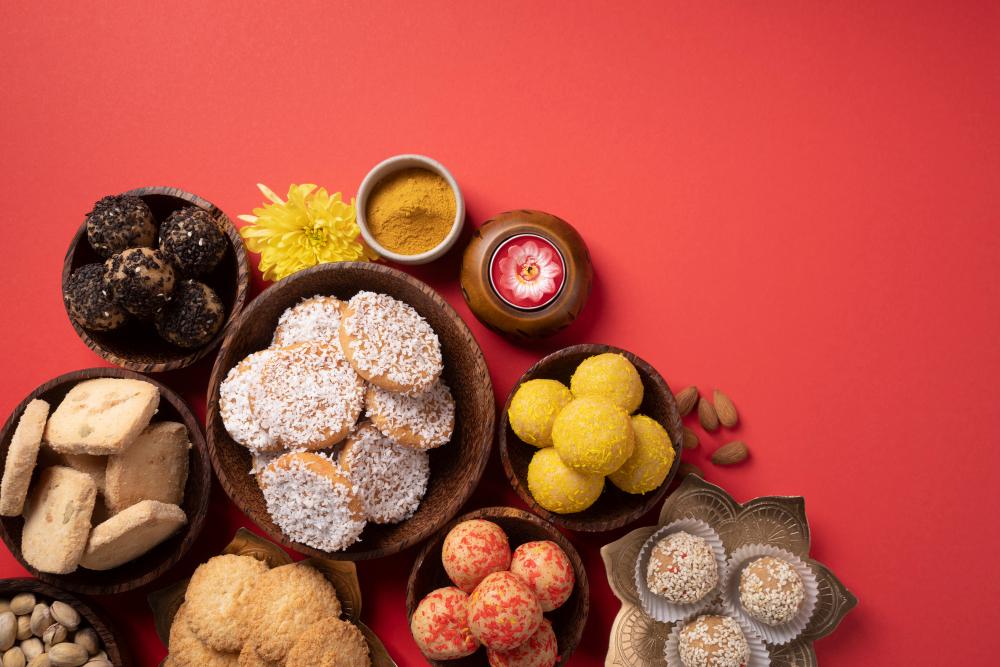
Indian sweets, a delectable symphony of flavours and textures, have been an integral part of the country’s culinary heritage for centuries. These sweet treats often served during celebrations, festivals, and everyday life, offer a glimpse into India’s rich cultural tapestry. With their diverse ingredients, intricate preparation techniques, and unique flavours, Indian sweets have captivated taste buds worldwide.
A Symphony of Flavors
Indian sweets come in a dazzling array of flavours, each reflecting the regional culinary traditions. From the delicate sweetness of rasgulla to the rich indulgence of gulab jamun, there’s a sweet treat to satisfy every palate. Some popular flavours include:
- Milk-based: Rasgulla, gulab jamun, kheer, barfi
- Nutty: Ladoo (almond, cashew, coconut), kaju katli
- Spiced: Jalebi, imarti, balushahi
- Fruity: Sandesh, payasam
- Besan-based: Ghevar, besan ladoo
The Art of Preparation
The preparation of Indian sweets is a meticulous process that involves a combination of traditional techniques and modern methods. Many sweets are made by hand, using ingredients like milk, sugar, nuts, spices, and ghee. The intricate patterns and designs often seen on sweets are a testament to the skill and artistry of the confectioners.
Cultural Significance
Indian sweets play a significant role in various cultural events and celebrations. They are often offered as prasad (sacred offerings) at temples and gurudwaras. During weddings, festivals like Diwali and Holi, and other auspicious occasions, a variety of sweets are prepared and distributed among family and friends.
Regional Delights
Each region in India has unique sweet delicacies that reflect the local flavours and ingredients. For example, rasgulla is popular in West Bengal, while jalebi is a favourite in North India. In South India, payasam and halwa are widely enjoyed.
Health Benefits
While Indian sweets are often associated with indulgence, many also offer nutritional benefits. For instance, milk-based sweets like Kheer and rasgulla are rich in calcium and protein. Nuts used in ladoos and barfi provide healthy fats and antioxidants.
Beyond the Sweet Tooth
Indian sweets have also inspired a variety of savoury dishes. For example, gulab jamun can be used as a topping for ice cream or incorporated into savoury curries.
Conclusion
More than just desserts, Indian sweets are a representation of the nation’s many regional flavors, rich cultural legacy, and culinary customs. With their exquisite taste, intricate preparation, and cultural significance, Indian sweets continue to captivate and delight people around the world. Whether you’re a seasoned foodie or simply looking to explore new flavours, Indian sweets offer a truly unforgettable culinary experience.