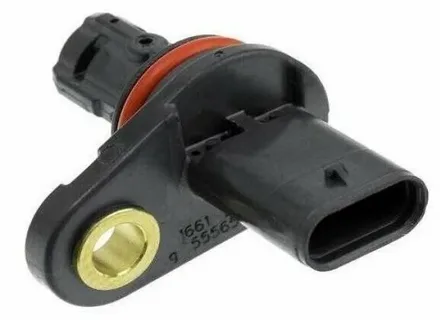
The Astra camshaft position sensor plays a pivotal role in ensuring an engine’s optimal performance. By accurately determining the camshaft’s position, this sensor helps in the precise timing of fuel injection and ignition, which is crucial for the engine’s efficient functioning. Understanding how this component operates and recognizing signs of malfunction can aid in maintaining the vehicle’s performance and longevity.
The Role of the Camshaft Position Sensor
The camshaft position sensor (CPS) is essential to modern engine management systems. Its primary function is to monitor the position and rotational speed of the camshaft, a key element in the engine’s combustion cycle. The CPS sends this information to the engine control unit (ECU), which controls the precise timing of fuel injection and ignition.
Accurate camshaft position data is critical for ensuring efficient engine operation. By knowing the exact position of the camshaft, the ECU can determine the correct timing for injecting fuel and firing the spark plugs. This coordination is essential for optimizing combustion, reducing emissions, and enhancing fuel efficiency.
How the Camshaft Position Sensor Works?
In an Astra, the camshaft position sensor utilizes a magnet or Hall effect sensor to detect the camshaft’s position relative to the crankshaft. As the camshaft rotates, the sensor sends electronic signals to the engine control unit (ECU), which uses this data to adjust the timing of fuel injection and ignition. This precise coordination ensures optimal engine performance, contributing to better fuel efficiency and reduced emissions.
If the camshaft position sensor malfunctions, it can lead to various engine problems. These may include misfires, reduced engine power, difficulty starting, or even engine failure. If you suspect your camshaft position sensor is faulty, having it inspected and replaced immediately is essential.
Common Symptoms of a Faulty Sensor
The camshaft position sensor (CMP sensor) plays a critical role in modern engines by monitoring the camshaft’s position. This information is essential for optimal engine performance, fuel injection timing, and ignition timing.
Symptoms of Malfunction
A malfunctioning camshaft position sensor can manifest in several ways. Common symptoms include engine misfires, where engines may stumble or hesitate, particularly during acceleration. Poor acceleration can also occur, making the vehicle feel sluggish and unresponsive.
Fuel Consumption Issues
Another significant symptom is increased fuel consumption. When the sensor provides incorrect data, the engine control unit (ECU) may overcompensate by injecting more fuel, leading to inefficient fuel usage.
Starting Difficulties
Starting the engine may become challenging due to an inaccurate sensor reading. This can result in longer cranking times or the engine failing to start, leaving drivers stranded and frustrated.
Check Engine Light Activation
The vehicle’s check engine light (CEL) is often triggered when the camshaft position sensor malfunctions. This warning light alerts drivers to potential issues and should not be ignored, as it can indicate a severe problem that requires immediate attention.
Importance of Early Detection
Recognizing these issues early is crucial. Addressing camshaft position sensor problems promptly can prevent further engine damage and costly repairs, ensuring the vehicle runs smoothly and efficiently. Regular maintenance and diagnostics can help catch these symptoms before they escalate.
Diagnostic Tools and Methods
The camshaft position sensor is a vital component in modern vehicles. It monitors the engine’s crankshaft position and provides essential information to the engine control unit (ECU).
A diagnostic scanner is valuable for reading error codes from the vehicle’s ECU. These codes can provide clues about the specific issues related to the camshaft position sensor. By analyzing the error codes, technicians can narrow down the potential causes of the problem.
In some cases, a visual inspection of the camshaft position sensor can reveal physical damage or corrosion. Technicians will carefully examine the sensor for wear, dirt, or misalignment. Technicians can measure the voltage output of the camshaft position sensor using a multimeter. This can help determine whether the sensor is receiving and transmitting the correct electrical signals.
Replacement Procedures for Holden Barina Camshaft Position Sensor
Replacing a holden barina camshaft position sensor begins with disconnecting the vehicle’s battery for safety. The faulty sensor, typically found near the camshaft, is carefully unscrewed and removed.
A new sensor is installed in the exact location, ensuring it is securely fastened. After installation, the battery is reconnected. Adhering to the manufacturer’s guidelines during the process guarantees proper functionality and avoids potential issues.
Technicians can effectively identify the root cause of any camshaft position sensor malfunctions by utilising these diagnostic methods. This information is crucial for determining the necessary repairs and ensuring the vehicle’s proper operation. If you suspect a problem with your Astra’s camshaft position sensor, it’s recommended that you consult a qualified mechanic for a thorough diagnosis and repair.
Preventative Maintenance Tips
Regular maintenance is crucial for extending the life of an camshaft position sensor. Vehicle owners can prevent premature wear and tear on this vital engine component by adhering to a consistent upkeep schedule.
Clean Engine Environment
Keeping the engine clean and free from oil leaks is essential for protecting the camshaft position sensor. Oil leaks can lead to contamination and may interfere with the sensor’s ability to function correctly. A clean engine reduces the likelihood of buildup that can impact sensor performance.
Routine Oil Changes
Timely replacing engine oil and filters is a fundamental aspect of vehicle maintenance. Fresh oil ensures proper lubrication of engine components, reducing friction and heat. Regular oil changes also help eliminate impurities that could damage the camshaft position sensor.
Electrical Connections
Another preventative measure is verifying that electrical connections are secure. Loose or corroded connections can lead to intermittent sensor failures or inaccurate readings. Regularly checking and maintaining these connections can help avoid costly repairs and sensor malfunctions.
Signs of Sensor Issues
Awareness of the signs of camshaft position sensor problems can help take preventive action. Symptoms such as rough idling, decreased engine performance, or warning lights on the dashboard should prompt immediate inspection and potential replacement of the sensor.
Comparing z18xe camshaft sensor With Other Ones
While the z18xe camshaft sensor share the common function of monitoring the camshaft’s position and sending signals to the engine control unit (ECU), there are notable differences in their design and compatibility due to variations in vehicle size and engineering.
The Astra, a larger and more powerful vehicle, typically employs a camshaft sensor designed for robustness and durability. The sensor’s construction, materials, and specifications are tailored to withstand the higher stresses and demands of the Astra’s engine.
In contrast, the Barina, as a smaller and more compact vehicle, may have a camshaft sensor with slightly different specifications. The sensor’s design might be optimized for efficiency and space constraints, considering the smaller engine size and overall dimensions of the Barina.
It is crucial to ensure that the correct camshaft sensor is used for each model. Using an incorrect sensor can lead to performance issues, misfires, engine damage, and other problems. The ECU relies on accurate camshaft sensor data to control ignition timing, fuel injection, and other vital engine functions.
Therefore, when replacing a camshaft sensor on an Astra or Barina, it is essential to verify the compatibility and specifications of the replacement part. Consulting a service manual or a qualified mechanic can help ensure the correct sensor is selected and installed correctly.
Astra Z18XE Engine and Its Camshaft Sensor
The Astra Z18XE engine benefits from a sophisticated camshaft position sensor that ensures precise timing for optimal performance. Known for its reliability, the Z18XE’s sensor provides accurate data to the engine control unit (ECU), facilitating efficient fuel injection and ignition.
This accuracy contributes to the engine’s improved fuel efficiency and lower emissions. The design of the Z18XE engine, combined with its advanced sensor, allows for smooth and efficient operation, enhancing the driving experience.
Aftermarket vs OEM: Barina Camshaft Sensor
Aftermarket Barina Camshaft Sensor offer a cost-effective alternative to OEM parts but may vary in quality and compatibility. OEM sensors are designed to meet the exact specifications of the Astra model, ensuring optimal performance and reliability.
While aftermarket options may attract budget-conscious consumers, it’s crucial to consider the potential trade-offs regarding durability and precise fit. Thorough research and consulting with a professional mechanic can aid in making an informed decision between aftermarket and OEM sensors.
Impact on Engine Performance
A properly functioning camshaft position sensor ensures precise fuel injection and ignition timing, leading to improved engine efficiency. This accurate timing optimizes engine performance, improving acceleration and fuel economy and reducing emissions.
Conversely, a malfunctioning sensor can disrupt these processes, causing engine misfires, sluggish acceleration, and increased fuel consumption. Regular diagnostic checks and maintenance are essential to keep the sensor in optimal condition, thereby maintaining the overall performance and longevity of the engine.
Upgrading Your Astra Camshaft Sensor Efficiency
Upgrading the Astra Camshaft Sensor can enhance engine performance. Newer sensors offer improved precision and durability, enhancing overall engine management. When considering an upgrade, selecting sensors compatible with the Astra model and engine type is vital.
Advanced sensors provide better accuracy in monitoring the camshaft’s position, ensuring optimal fuel injection and ignition timing. This upgrade can result in better fuel efficiency and reduced emissions. Consulting a professional mechanic can help determine the best sensor options tailored to the vehicle’s needs.
Future Developments in Sensor Technology
Future camshaft position sensors are set to benefit from cutting-edge advancements in materials and technology, enhancing their precision and reliability. Emerging innovations, such as integration with AI and machine learning algorithms, promise to provide more accurate real-time data to the engine control unit (ECU).
This will facilitate even finer fuel injection and ignition timing adjustments, further improving engine efficiency and reducing emissions. Additionally, new sensors may be designed to withstand higher temperatures and harsher conditions, extending their operational lifespan. These developments hold significant potential for vehicles like the Astra, ensuring superior engine performance and environmental compliance.
Conclusion
The z18xe camshaft sensor is a crucial component that plays a vital role in the engine’s operation. Understanding its function, troubleshooting common issues, and performing regular maintenance can ensure optimal performance and prevent engine damage. Regular inspections, cleaning, and sensor replacement when necessary are essential for maintaining a healthy and efficient engine.
FAQs
What are the signs of a faulty camshaft position sensor?
Some common signs of a faulty camshaft position sensor include:
· Difficulty starting the engine
· Rough idle
· Misfires
· Reduced engine power
· Check engine light illumination
How often should I have my z18xe camshaft sensor inspected?
It is recommended that your z18xe camshaft sensor be inspected as part of your regular vehicle maintenance routine. The frequency of inspections may vary depending on your driving conditions and vehicle age. However, if you notice any of the signs of a faulty sensor, it is essential to have it inspected and replaced.
What is the cost of replacing an camshaft position sensor?
Replacing an camshaft position sensor can vary depending on the specific model year, labour costs, and any additional repairs required. Obtaining quotes from multiple mechanics to compare prices and find the best deal is advisable.