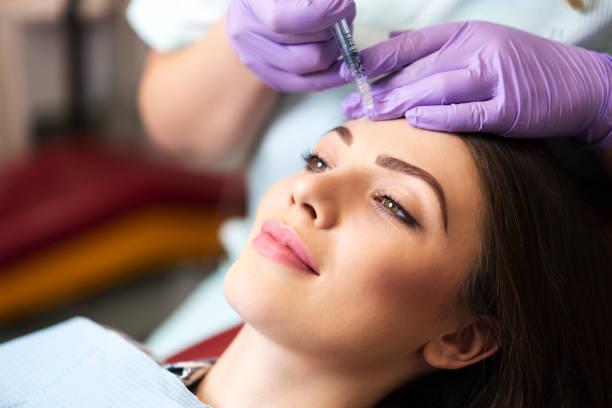
As we age, our skin naturally loses collagen, fat, and moisture, leading to a reduction in facial volume and the appearance of fine lines and wrinkles. Dermal Fillers Injections in Islamabad have quickly become a top choice for those seeking a non-surgical solution to restore youthful volume and achieve a refreshed look. This comprehensive guide will walk you through what dermal fillers are, the types available, their benefits, potential risks, and tips for choosing the right provider.
What Are Dermal Fillers?
Dermal fillers are injectable substances designed to add volume, smooth out wrinkles, and enhance facial contours. These gels work beneath the skin’s surface, plumping the skin from within to fill in fine lines, folds, and areas where volume loss has occurred. Unlike Botox, which temporarily relaxes muscles to prevent dynamic wrinkles, dermal fillers address static wrinkles (those that are visible even at rest) by providing structure and fullness where it’s needed.
Dermal fillers are commonly used to treat:
- Nasolabial folds (smile lines)
- Marionette lines (lines around the mouth)
- Sunken cheeks
- Thinning lips
- Under-eye hollows
- Chin and jawline contour
Types of Dermal Fillers
There are several types of dermal fillers, each formulated to target specific issues and areas of the face. Here are the most common types:
- Hyaluronic Acid (HA) Fillers: Hyaluronic acid is a substance naturally present in the skin, helping it retain moisture. HA fillers, such as Juvederm and Restylane, are popular because they provide a natural-looking plumpness, smooth fine lines, and can be dissolved if the results aren’t satisfactory. Effects typically last 6-18 months, depending on the area treated and the specific filler used.
- Calcium Hydroxylapatite (CaHA) Fillers: CaHA fillers, like Radiesse, contain a thicker gel consistency that is ideal for deep wrinkles and areas with significant volume loss, such as the cheeks and jawline. CaHA fillers also promote natural collagen production, enhancing the skin’s support structure and providing results that last about 12-18 months.
- Poly-L-lactic Acid Fillers: Known as a collagen stimulator, Poly-L-lactic acid fillers (e.g., Sculptra) encourage collagen production, restoring volume gradually over multiple sessions. Sculptra is often used for facial contouring and for treating hollowed areas, with results lasting up to two years.
- Polymethylmethacrylate (PMMA) Fillers: PMMA fillers like Bellafill contain small collagen-stimulating microspheres that offer semi-permanent results, often lasting up to five years. These fillers are used to treat deep lines and acne scars but require commitment due to their longer-lasting effects.
- Fat Transfer: Fat transfer, though technically not a traditional filler, involves using fat from another part of your body (e.g., thighs or abdomen) and injecting it into areas with volume loss. This natural approach has a longer recovery time but can provide permanent results.
Benefits of Dermal Fillers
Dermal fillers offer numerous advantages, making them an appealing choice for facial rejuvenation:
- Immediate Results: Many fillers provide noticeable improvement right after the injection, with final results visible once swelling subsides, typically within a week.
- Minimal Downtime: Unlike surgical procedures, dermal fillers require minimal to no downtime, allowing most patients to return to their normal activities the same day.
- Customizable: Fillers offer a range of formulations that can be tailored to meet specific aesthetic goals, from subtle lip enhancement to dramatic cheekbone definition.
- Long-Lasting, Yet Reversible: While not permanent, most fillers last from 6 to 24 months, depending on the type and location. HA fillers are reversible, so they can be dissolved if needed.
What to Expect During and After Treatment
The treatment process is usually quick and straightforward. After an initial consultation to discuss goals and expectations, a numbing cream or local anesthetic is applied to minimize discomfort. The actual injection process takes about 15-30 minutes, depending on the areas treated.
After treatment, minor swelling, bruising, and redness around the injection sites are common but typically subside within a few days. Full results are generally visible within one to two weeks. To minimize any side effects, avoid touching the treated areas, strenuous activity, and direct sunlight for at least 24 hours after your treatment.
Potential Risks and Side Effects
While dermal fillers are generally safe when administered by a qualified professional, some risks exist. Temporary side effects may include swelling, bruising, and tenderness at the injection site. Rare but serious complications include infection, lumps or bumps under the skin, and, very rarely, vascular occlusion (blockage of a blood vessel). Choosing an experienced injector with a thorough understanding of facial anatomy is crucial to minimize risks and ensure natural results.
Choosing the Right Provider
Selecting a qualified provider is the most important step to achieving the results you want safely. Look for a board-certified dermatologist, plastic surgeon, or an experienced professional with specialized training in cosmetic injectables. Review their before-and-after portfolio to get a sense of their work, and ensure they take time to understand your goals and answer any questions you have.
Preparing for Treatment and Maintaining Results
- Do Your Research: Familiarize yourself with different filler options and speak to your provider about the best choices for your specific goals.
- Avoid Blood Thinners: If possible, avoid aspirin, ibuprofen, and other blood-thinning supplements for at least a week before treatment to reduce the risk of bruising.
- Follow Aftercare Instructions: Avoid strenuous activities, heat exposure, and direct sunlight for 24 hours after treatment, as these can increase swelling.
The Future of Dermal Fillers
The world of dermal fillers is continually evolving, with new formulations and techniques allowing for even more natural and long-lasting results. Researchers are currently exploring bio-stimulating fillers and other compounds that work with the body’s natural regenerative processes, expanding the range of options available for patients seeking non-surgical aesthetic enhancement.
Final Thoughts
Dermal fillers offer an effective, customizable option for rejuvenating your appearance without surgery. Whether you’re looking to smooth out fine lines, add volume to specific areas, or achieve a more youthful look, dermal fillers can provide natural, long-lasting results when administered by a skilled professional. By selecting the right provider and following post-treatment instructions, you can enjoy the benefits of fillers, enhance your confidence, and maintain a refreshed, youthful glow.
If you’re considering dermal fillers, consult with a qualified professional to discuss your aesthetic goals and ensure you receive a treatment plan tailored to your unique facial structure. With the right approach, dermal fillers can be a safe and effective way to look and feel your best.