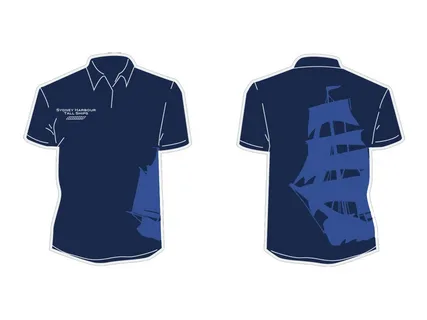
In the bustling metropolis of Sydney, the fashion scene thrives with creativity and innovation. At the heart of this vibrant industry lies the t shirt manufacturer Sydney, a key player in both boosting local fashion and invigorating the economy. By producing high-quality garments, these manufacturers meet the demands of the fashion-conscious populace and create opportunities for local businesses and artisans. The role of t-shirt manufacturing in Sydney is multifaceted, encompassing everything from the initial stages of design to the final touches of production.
Understanding the T-Shirt Manufacturing Process
Understanding the t-shirt manufacturing process involves several key stages, each crucial to creating a high-quality product. It begins with design development, where designers develop concepts and patterns, often using computer-aided design (CAD) software. Once the designs are finalized, the next step is material sourcing. Manufacturers select fabrics based on durability, comfort, and sustainability, often opting for cotton, polyester, or blends.
The cutting phase begins after material selection, where large fabric rolls are cut into the appropriate shapes based on the patterns. This is followed by the sewing stage, where skilled workers assemble the pieces, stitching them together to form the final garment. Quality control is integrated throughout this process, with inspections conducted at various stages to ensure that the finished product meets specified standards.
After sewing, printing and finishing come next. Techniques such as screen printing, heat transfer, or digital printing are used to apply designs. The t-shirts undergo a final quality check before being packaged and shipped to retailers. Understanding this process highlights the complexity and craftsmanship of creating t-shirts that meet consumer expectations for quality and design.
The Economic Impact of T-Shirt Manufacturing
The economic impact of t-shirt manufacturing extends beyond simple garment production, influencing various aspects of local and global economies. In regions where manufacturing facilities operate, jobs are created across multiple levels, from production line workers to management and logistics roles. This job creation boosts local employment rates, enhances skill development, and supports community livelihoods.
Moreover, t-shirt manufacturing stimulates related industries, including textile production, dyeing, and distribution, creating a ripple effect that benefits suppliers and service providers. As demand for custom and branded apparel increases, manufacturers also foster innovation, encouraging design and sustainable practices advancements, which can lead to further economic opportunities.
Additionally, the t-shirt industry contributes significantly to exports for countries specialising in apparel manufacturing. This influx of revenue strengthens national economies, enhances trade balances, and encourages investment in infrastructure and education.
Innovations and Trends in T-Shirt Design and Production
The t-shirt industry continually evolves, driven by innovations and trends that enhance design and production processes. Here are some noteworthy advancements shaping the future of t-shirt design and manufacturing.
Sustainable Materials
Eco-conscious consumers drive demand for sustainable fabrics, leading manufacturers to explore organic cotton, bamboo, and recycled materials. These fabrics reduce environmental impact and appeal to consumers looking for eco-friendly options.
Digital Printing Technology
Advances in digital printing have revolutionized how designs are applied to t-shirts. This method allows for intricate and vibrant graphics without the limitations of traditional screen printing. Digital printing also facilitates short runs, enabling brands to offer unique designs and limited editions, catering to niche markets.
Customizable Designs
The rise of on-demand printing and customization platforms has transformed how consumers interact with t-shirt design. Customers can now personalize their shirts with unique graphics, texts, and colours, fostering a deeper connection with the product and enhancing customer satisfaction.
Smart Textiles
Innovations in fabric technology are leading to intelligent textiles that integrate wearable technology. These fabrics can track fitness metrics, change colours, or even adjust the temperature, blending fashion with functionality and appealing to tech-savvy consumers.
Augmented Reality (AR)
AR is emerging as a powerful tool in t-shirt design and marketing. Brands are using AR applications to allow customers to visualize how a design will look on them before making a purchase, enhancing the online shopping experience and reducing return rates.
Wholesale Clothing Suppliers Sydney: Connecting Manufacturers with Retailers
Wholesale clothing suppliers in Sydney play a pivotal role in connecting manufacturers with retailers, facilitating a dynamic marketplace that drives the fashion industry forward. These suppliers serve as intermediaries, sourcing garments directly from manufacturers and distributing them to various retail outlets. This relationship streamlines the supply chain, allowing retailers to access diverse collections without extensive manufacturing capabilities.
One of the primary advantages of working with wholesale clothing suppliers Sydney is the cost-effectiveness they offer. Retailers can benefit from bulk purchasing, which reduces individual item costs and increases profit margins. Additionally, suppliers often provide insights into current fashion trends and consumer preferences, helping retailers make informed purchasing decisions that align with market demands.
In Sydney’s competitive fashion landscape, wholesale suppliers contribute to the local economy by supporting established brands and emerging designers. They foster innovation by offering a platform for new labels to gain visibility in the retail space. Furthermore, many suppliers prioritize sustainable practices, collaborating with manufacturers who adopt eco-friendly production methods, thus appealing to the growing base of environmentally conscious consumers.
The Importance of Sustainable Practices in Production
Sustainable production practices are crucial for fostering environmental responsibility and ensuring the longevity of resources. As industries evolve, the need to minimize ecological footprints becomes increasingly pressing. By adopting sustainable methods, companies can reduce waste, conserve energy, and lower carbon emissions, which are essential for combating climate change. Implementing sustainable practices often begins with the sourcing of raw materials.
Choosing renewable or recycled materials can significantly decrease the environmental impact of extraction and processing. Moreover, sustainable production processes prioritize energy efficiency, utilizing renewable energy sources whenever possible. This reduces greenhouse gas emissions and lowers operational costs in the long run. Beyond environmental benefits, sustainable practices enhance a company’s reputation.
Consumers are becoming more environmentally conscious, and many prefer supporting brands prioritising sustainability. This shift in consumer behaviour creates a competitive advantage for businesses committed to ethical production. Sustainable practices can lead to innovation in product design and manufacturing techniques. By exploring new methods and technologies, companies can create more efficient processes, resulting in high-quality products with reduced waste.
The Role of Quality Control in Clothing Production
Quality control is vital in clothing production, ensuring that garments meet specific standards of excellence throughout the manufacturing process. This practice begins with sourcing raw materials, where quality control teams assess fabric and components for defects or inconsistencies. By establishing rigorous criteria, manufacturers can prevent inferior materials from entering production.
During the production phase, quality control measures include regular inspections and testing at various stages. This can involve checking stitching quality, colour consistency, and fit, ensuring that each garment aligns with design specifications. By identifying issues early, manufacturers can address them before the final product reaches consumers, reducing waste and saving costs. Moreover, quality control plays a critical role in maintaining brand reputation.
Consumers increasingly seek reliable, high-quality products, and consistent quality assurance helps build trust and loyalty. A single defect can damage a brand’s image, making quality control essential for long-term success. Implementing advanced technologies such as automated inspection systems enhances quality control processes. These technologies provide real-time data and insights, allowing manufacturers to make informed decisions and improve production efficiency.
Supporting Local Artisans: Custom T-Shirt Printing
Custom t-shirt printing has emerged as a significant facet of the fashion industry in Sydney, providing a valuable platform for local artisans and designers. By collaborating with these creative talents, manufacturers produce exclusive and bespoke designs that add a distinctive touch to their offerings. This collaborative effort supports the local creative community and introduces unique and personalised garments to the market.
Consumers increasingly seek out these custom pieces, which reflect individual style and creativity. The partnership between manufacturers and artisans enhances the diversity and vibrancy of Sydney’s fashion landscape, making it a dynamic and inclusive industry. This symbiotic relationship fosters innovation and originality, ensuring Sydney remains at the forefront of contemporary fashion trends.
Challenges Faced By Clothing Suppliers Sydney
Clothing suppliers in Sydney encounter various challenges as they strive to meet the demands of an ever-evolving fashion market. One significant issue is the rapid pace at which fashion trends change, requiring suppliers to update their inventory to stay relevant constantly. This necessitates agility in their operations and a keen awareness of global fashion movements and consumer preferences. The push towards sustainability presents another layer of complexity.
Adopting eco-friendly practices and sourcing sustainable materials can be costly and logistically challenging. Suppliers must balance these environmental responsibilities with the economic realities of running a profitable business. Furthermore, the global nature of the fashion industry means that clothing suppliers Sydney must adeptly manage international supply chains. This includes dealing with fluctuations in currency exchange rates, navigating trade regulations, and overcoming potential disruptions in shipping and logistics.
Competition is also fierce, both from domestic and international players. Suppliers must differentiate themselves through superior quality, innovative designs, and exceptional customer service to maintain a competitive edge. E-commerce has transformed consumer expectations, demanding faster turnaround times and more efficient delivery systems. Suppliers must invest in technology and infrastructure to meet these demands, which can be resource-intensive.
Conclusion
In conclusion, the contribution of a t-shirt manufacturer in Sydney extends far beyond the production of garments. By supporting local fashion trends and fostering economic growth, these manufacturers play a vital role in the community. They create jobs, promote sustainability, and encourage creativity among local designers. As the fashion landscape continues to evolve, its impact on Sydney’s economy and cultural identity will undoubtedly grow, paving the way for a vibrant future in the fashion industry.
FAQs
What is the primary function of a t-shirt manufacturer in Sydney?
A t-shirt manufacturer in Sydney specializes in the production of t-shirts, serving both local and international markets. They oversee the manufacturing process, from sourcing materials to printing and finishing. This regional focus allows them to respond quickly to design trends and customer demands.
How does a t shirt manufacturer Sydney contribute to the local economy?
A t shirt manufacturer Sydney significantly boosts the local economy by creating jobs and supporting local suppliers. By sourcing materials and labour locally, these manufacturers keep funds within the community, fostering economic growth and stability.
In what ways do t shirt manufacturers Sydney support local fashion designers?
A t-shirt manufacturer Sydney collaborates closely with local fashion designers to bring their visions to life. By providing expertise in material selection, printing techniques, and production processes, they help designers produce high-quality garments that meet market demands, enhancing the local fashion scene.
How does a t-shirt manufacturer in Sydney promote sustainability?
Many t-shirt manufacturers in Sydney are committed to sustainable practices. They use eco-friendly materials and ethical production methods. They focus on reducing waste and energy consumption, promoting a more sustainable fashion industry while appealing to environmentally conscious consumers.
What benefits do local retailers gain from partnering with a t-shirt manufacturer in Sydney?
When partnering with a t-shirt manufacturer in Sydney, local retailers benefit from faster turnaround times and lower shipping costs. This proximity allows for more efficient inventory management and the ability to adapt quickly to changing consumer trends, enhancing their competitive edge.