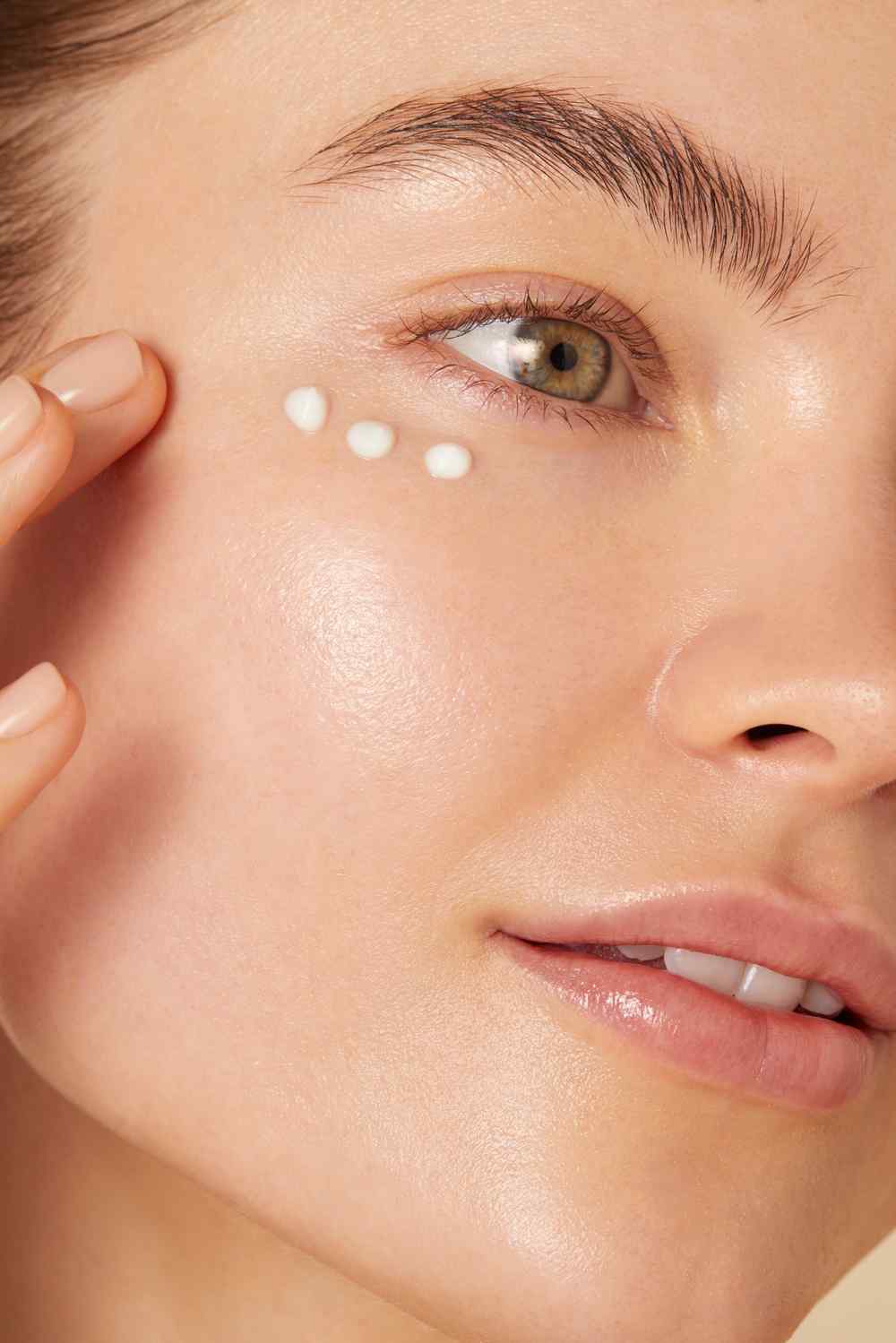
The delicate skin around our eyes is often one of the first areas to show signs of aging, stress, and environmental damage. Eye creams are specifically formulated to target this sensitive area, helping reduce puffiness, dark circles, and fine lines while maintaining hydration. In this comprehensive guide, we’ll explore everything about eye creams – from understanding why they’re essential to finding the right one for your needs.
Introduction to Eye Cream
Eye creams are formulated with specific ingredients and concentrations that suit the delicate skin around the eyes. This area is prone to showing early signs of aging, such as crow’s feet, dark circles, and puffiness, which is why it requires products specifically tailored to its needs.
Why You Need an Eye Cream
Targeted Care for Delicate Skin
The skin around your eyes is around ten times thinner than the rest of your face, making it more susceptible to environmental damage and signs of aging. Standard moisturizers may be too heavy for this area or lack the targeted ingredients needed to combat these specific concerns.
Key Benefits of Using Eye Cream
- Reduces Fine Lines and Wrinkles: Ingredients like retinol and peptides in eye creams help in collagen production, which reduces the appearance of fine lines.
- Minimizes Dark Circles: Brightening agents such as vitamin C and licorice root can reduce pigmentation, making dark circles less visible.
- Decreases Puffiness: Caffeine and green tea extract are common ingredients that help reduce puffiness by constricting blood vessels under the skin.
- Boosts Hydration: Ingredients like hyaluronic acid and glycerin provide deep hydration, keeping the skin plump and preventing dryness.
- Prevents Premature Aging: Antioxidants in eye creams protect against environmental stressors, slowing down the aging process.
Choosing the Right Eye Cream for Your Skin Type
Your skin type plays a vital role in choosing the ideal eye cream. Here are some guidelines based on skin types:
- Oily Skin: Look for lightweight, non-greasy formulas, often labeled as “gel” or “serum.”
- Dry Skin: Go for rich, hydrating eye creams with ingredients like ceramides and shea butter.
- Sensitive Skin: Choose fragrance-free, hypoallergenic eye creams with soothing ingredients like aloe vera or chamomile.
- Combination Skin: A balanced formula that isn’t too heavy or too light works well for combination skin.
Common Eye Area Concerns and Solutions
- Dark Circles
Cause: Genetics, lack of sleep, or hyperpigmentation.
Solution: Brightening eye creams with vitamin C, caffeine, or niacinamide. - Puffiness
Cause: Fluid retention or lack of sleep.
Solution: Look for cooling ingredients like cucumber extract and caffeine to reduce swelling. - Fine Lines and Wrinkles
Cause: Aging and loss of collagen.
Solution: Anti-aging eye creams with retinol, peptides, or collagen boosters can make a noticeable difference. - Dryness
Cause: Lack of moisture retention in the thin eye area.
Solution: Hydrating eye creams with hyaluronic acid, ceramides, and oils provide deep hydration.
Top Ingredients to Look for in Eye Creams
Hyaluronic Acid
Provides deep hydration by attracting moisture from the environment into the skin, keeping the under-eye area plump and smooth.
Vitamin C
Known for its brightening properties, vitamin C can lighten dark circles and protect against sun damage.
Retinol
A popular anti-aging ingredient, retinol stimulates collagen production and improves skin texture but should be used cautiously around the eyes.
Caffeine
Ideal for puffiness and under-eye bags, caffeine reduces swelling and provides a temporary tightening effect.
Peptides
Peptides are amino acids that help in collagen production, strengthening the skin’s elasticity and firmness.
How to Properly Apply Eye Cream
- Use a Small Amount: A pea-sized amount is enough for both eyes.
- Apply with Ring Finger: This finger has the gentlest touch, reducing the risk of tugging on the skin.
- Dot and Pat: Dab small dots around your orbital bone and gently pat them in, avoiding the eyelids.
- Twice Daily: For most eye creams, applying once in the morning and once at night yields the best results.
Tips for Enhancing Your Eye Cream’s Effectiveness
- Consistency Matters: Regular application is essential to see long-term benefits.
- Cold Storage: Storing eye cream in the fridge can add a cooling effect, which helps reduce puffiness.
- Healthy Lifestyle: Hydration, proper sleep, and a balanced diet all contribute to better skin.
Eye Cream Myths and Misconceptions
“You Don’t Need Eye Cream if You Have a Good Moisturizer”
While a good moisturizer is essential, eye creams are designed for the thin skin around the eyes and often include ingredients that target dark circles and puffiness more effectively than general moisturizers.
“Eye Cream Causes Milia”
Milia, or small white bumps, can form if too much product is applied or if the formula is too rich. Using the correct amount and choosing an eye cream suited to your skin type can help avoid this issue.
Best Practices for Different Ages
In Your 20s
Focus on hydrating and protecting the eye area. A simple eye cream with hyaluronic acid can help maintain moisture levels.
In Your 30s
Begin incorporating ingredients that prevent signs of aging, such as peptides and antioxidants, to keep your skin firm and healthy.
In Your 40s and Beyond
Consider products with retinol, vitamin C, and peptides to address deeper wrinkles and other signs of aging.
DIY Eye Cream Recipes for Natural Skincare Lovers
Cucumber and Aloe Vera Eye Gel
- Ingredients: Cucumber juice, aloe vera gel, vitamin E oil.
- Instructions: Mix equal parts cucumber juice and aloe vera gel with a few drops of vitamin E oil. Store in the fridge and apply daily for a cooling, hydrating effect.
Coffee and Coconut Oil Eye Cream
- Ingredients: Organic coconut oil, coffee grounds.
- Instructions: Mix coffee grounds with melted coconut oil and allow the mixture to set. Apply gently to under-eye bags for a de-puffing effect.
Eye Cream vs. Face Cream: Do You Need Both?
While some may wonder if they can skip eye cream and use face cream instead, eye creams are designed specifically for the thinner skin around the eyes. They often contain unique concentrations of ingredients that are effective at treating common eye area concerns without causing irritation.13. Top Eye Cream Recommendations for Specific Concerns
- For Dark Circles: Look for brightening eye creams with vitamin C, niacinamide, or licorice extract.
- For Puffiness: Choose an eye cream with caffeine, green tea extract, or cucumber.
- For Fine Lines: Opt for a retinol-based eye cream, but ensure it’s gentle and designed for the eye area.
- For Hydration: Hyaluronic acid, squalane, and glycerin are key ingredients for deep hydration
Conclusion
Eye creams play an essential role in any skincare routine aimed at targeting issues like dark circles, puffiness, and signs of aging. With the right ingredients and consistent application, you can enjoy a brighter, smoother, and more youthful-looking eye area.
By understanding what to look for and how to apply eye cream effectively, you can give the delicate skin around your eyes the care it truly deserves. Check out our recommendations for the to find a perfect match for your needs!