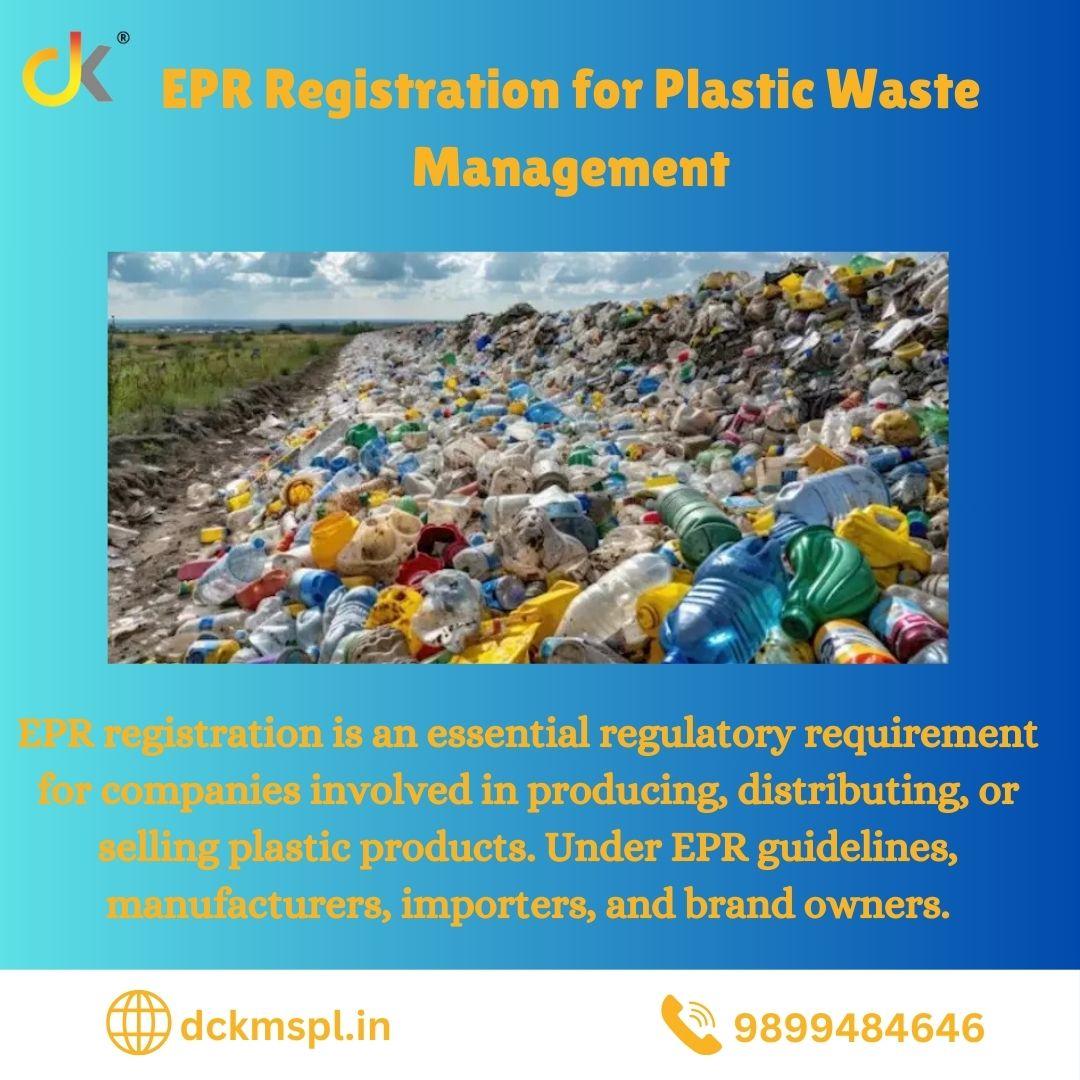
Extended Producer Responsibility (EPR) registration for plastic waste management is an essential component of environmental policies worldwide. With the increasing global plastic waste crisis, EPR frameworks are designed to place the responsibility of waste collection, recycling, and disposal on the companies that produce, import, or sell plastic products. In this article, we’ll cover the importance, processes, benefits, and challenges of EPR registration for plastic waste management, illustrating how it drives sustainable practices across industries.
What is EPR Registration?
EPR registration for plastic waste management is a policy approach that mandates producers to take responsibility for the environmental impact of their products throughout the entire lifecycle, including after consumer use. With EPR registration, companies must plan for the recycling and disposal of plastic waste, either by setting up collection systems or working with certified waste management partners. This approach shifts the burden of waste management from consumers and local governments to the companies that profit from these products.
Why EPR for Plastic Waste Management?
Plastic pollution has become one of the most significant environmental challenges, impacting land, rivers, and oceans. EPR addresses the root of the problem by involving producers directly in the solution. By taking responsibility for the end-of-life management of their products, companies can reduce the amount of plastic waste that ends up in landfills and oceans. This not only benefits the environment but also promotes efficient resource use and encourages more sustainable production practices.
Key Steps in EPR Registration for Plastic Waste
- Assessing Waste and Planning
Companies first need to evaluate the type and quantity of plastic waste they produce. This assessment helps them design an effective waste management strategy, aligning with both operational goals and regulatory requirements. - Collaborating with Waste Management Partners
Many companies partner with waste management firms or certified recyclers to facilitate the collection, recycling, and disposal of plastic waste. These partnerships ensure that waste is handled efficiently and according to EPR standards. - Setting Up Collection Mechanisms
Companies are required to establish convenient waste collection mechanisms, whether through return points, retail collection systems, or collaboration with third-party logistics.
Benefits of EPR Registration for Plastic Waste Management
- Environmental Impact Reduction
EPR registration significantly reduces the amount of plastic waste in the environment, helping protect ecosystems from pollution. Proper waste management reduces plastic leakage into oceans, rivers, and soils, safeguarding biodiversity. - Efficient Resource Use
EPR encourages recycling and reuse, leading to a more efficient use of raw materials. By recycling plastic, companies reduce their reliance on virgin plastic, saving both resources and energy. - Enhanced Corporate Image
Complying with EPR demonstrates corporate responsibility, showing customers that a company values sustainable practices. This can enhance brand reputation, attracting environmentally conscious consumers.
Challenges in EPR Implementation
- Cost of Infrastructure
Setting up the necessary collection, recycling, and reporting systems requires substantial investment, which may be challenging, especially for small and medium-sized enterprises (SMEs). - Complex Logistics
Collecting and transporting plastic waste across different locations demands efficient logistics, often requiring coordination with multiple partners and third-party providers. - Consumer Awareness and Participation
For EPR to succeed, consumer engagement is crucial. Companies need to educate customers about the importance of returning used plastic for recycling, which can be challenging to implement on a large scale.
Global Examples of EPR Policies for Plastic Waste
- European Union: The EU has established strict EPR rules for plastic waste management, emphasizing producer responsibility for packaging waste. Companies in the EU are required to meet recycling targets, with regular audits to ensure compliance.
- Japan: Japan’s EPR model focuses on collaboration between producers, consumers, and the government. Japan has implemented advanced sorting and recycling processes, resulting in high recycling rates for plastic waste.
- Canada: Some Canadian provinces have implemented EPR for plastic waste, with producers required to establish collection and recycling systems. The approach emphasizes collaboration with local governments to improve recycling infrastructure.
The Future of EPR and Plastic Waste Management
- Improved Recycling Technologies
Advanced recycling technologies, such as chemical recycling, can process a wider variety of plastics, making it easier for companies to meet EPR requirements. These innovations promise to improve efficiency and reduce the cost of recycling. - Digital Tracking Systems
With digital tools, companies can track plastic waste from production to disposal, improving transparency and compliance. Blockchain and IoT technologies are increasingly being adopted to enhance traceability in waste management. - Incentives for Eco-friendly Design
EPR policies may shift to reward companies that design sustainable products with minimal environmental impact. Incentives could include tax benefits for using biodegradable or easily recyclable materials.
Conclusion
EPR registration for plastic waste management is a transformative policy that encourages companies to take accountability for their environmental footprint. By adhering to EPR regulations, businesses not only contribute to reducing plastic pollution but also play an active role in building a sustainable future. While there are challenges to implementation, the benefits of EPR—from environmental impact reduction to enhanced brand reputation—make it a powerful tool for responsible waste management. As EPR frameworks evolve and technology advances, companies have the opportunity to make a lasting positive impact on the planet.