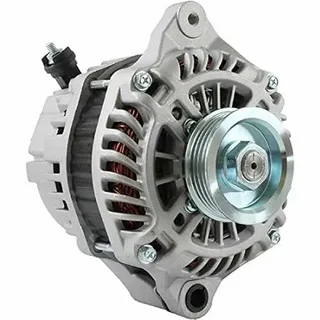
The alternator grand vitara is pivotal in maintaining the vehicle’s electrical health. Responsible for charging the battery and supplying power to various electrical components, the alternator ensures that systems such as headlights, radio, and power windows function efficiently. When the alternator starts to fail, the repercussions can be far-reaching, affecting the overall performance and reliability of the vehicle. Understanding the common indicators of alternator issues, such as electrical malfunctions and warning lights, can aid drivers in identifying and addressing problems early.
Identifying Symptoms of an Alternator on the Decline
Dim or flickering headlights are early signs that the alternator in a Grand Vitara may be declining. This issue arises when the alternator cannot supply sufficient power. Additionally, malfunctions in electrical accessories such as the radio, power windows, or seat heaters often accompany alternator problems.
The inconsistent performance of these components suggests that the alternator needs help to maintain the necessary electrical output. Recognizing these symptoms is vital for addressing alternator issues promptly and avoiding more significant electrical failures in the vehicle.
Activation of the Battery Warning Indicator
When the battery warning indicator illuminates on the dashboard, it serves as a crucial warning of potential alternator failure. This warning signifies that the vehicle primarily relies on battery power, as the alternator is no longer effectively recharging it.
Possible issues include a worn alternator belt, defective wiring, or internal component failure within the alternator. These problems necessitate immediate attention to prevent the battery from depleting completely, which could lead to the vehicle stalling or failing to start.
Recognizing and addressing the underlying causes of the battery warning light can prevent more serious electrical issues and ensure the vehicle remains operational. Regular inspection of the alternator and related components can help in the early detection and resolution of such problems.
Strange Noises Suggesting Vitara Alternator Issues
Strange noises emanating from the engine area of a Suzuki Grand Vitara can indicate various mechanical issues, with the vitara alternator being a common culprit. Paying close attention to these sounds can prevent costly repairs down the line.
Grinding and Whining Sounds
Grinding or whining sounds from the alternator area often signal internal problems, such as worn-out bearings or issues with the rotor. These parts degrade over time, leading to noises that indicate the alternator may struggle to function.
Worn-Out Components
The alternator consists of several moving parts, including bearings and brushes, that experience prolonged wear. When bearings wear out, they can produce grinding sounds, while rotor issues may lead to whining noises, signalling that repairs or replacement may be necessary.
Signs of Alternator Failure
Unusual noises usually serve as a precursor to alternator failure. If these sounds are ignored, the alternator could fail, leaving the vehicle unable to charge its battery or operate electronic systems, potentially resulting in a breakdown.
Importance of Timely Attention
Addressing strange noises promptly is essential to avoid serious mechanical failures. Ignoring them could lead to additional damage to the alternator and other engine components, ultimately increasing repair costs.
Regular Maintenance Checks
Routine alternator inspections can catch signs of wear early on. Regular checks, particularly of the bearings and other moving parts, help prevent unexpected issues when the alternator fails, ensuring the Grand Vitara runs smoothly.
Challenges in Starting the Engine
A Grand Vitara with a failing alternator may present challenges when starting the engine. Drivers might notice slow cranking or difficulty getting the engine to turn over. These starting issues often arise because the alternator needs to sufficiently charge the battery, leading to an adequate power supply.
Over time, the battery becomes progressively weaker, exacerbating the problem. Additionally, the vehicle’s electrical system might need help maintaining the required voltage to start the engine efficiently.
Frequent occurrences of such starting problems indicate a need for immediate alternator inspection. Testing the alternator’s output and ensuring it functions correctly can help mitigate these beginning issues.
Experiencing a Dead Battery or Frequent Battery Changes
Experiencing a flat battery or the need for frequent battery replacements can often be attributed to an underperforming alternator. When the alternator fails to provide adequate charge, the battery is forced to supply more power than it should, resulting in quicker depletion and reduced lifespan.
This misallocation of electrical load puts undue strain on the battery, causing it to die prematurely or necessitate more frequent replacements. Testing the alternator’s output using diagnostic tools can help determine whether it functions correctly or needs replacement. Such evaluation can distinguish between battery faults and alternator issues, ensuring the correct component is addressed.
Maintaining the alternator in optimal condition in the Grand Vitara is vital to avoid unnecessary battery-related problems and ensure consistent vehicle performance. Regular inspection and timely alternator maintenance can mitigate these issues and improve electrical system health.
Inconsistent Dashboard Lighting
Fluctuating dashboard lighting strongly indicates alternator issues in the Grand Vitara.
- This phenomenon occurs due to the inconsistent voltage output produced by a failing alternator.
- When the alternator struggles to maintain a steady electrical supply, the dashboard lights may dim or brighten unpredictably.
- Such irregularities are distracting and suggest underlying electrical problems that need addressing.
- Additionally, these fluctuations can extend to other interior and exterior lights, affecting overall vehicle visibility and safety.
- Drivers should be vigilant for these signs, as they often precede more severe alternator failures.
- Regularly monitoring dashboard lighting behavior can provide early clues about the health of the alternator, allowing for timely intervention and maintenance.
Evaluating and Identifying Alternator Suzuki Vitara 1.6 Concerns
Drivers should employ basic and advanced diagnostic methods to identify alternator suzuki vitara 1.6 concerns in the Grand Vitara accurately. Utilizing a multimeter to measure the voltage output is a straightforward way to gauge the alternator’s performance. Ideally, the voltage reading should fall within the manufacturer’s specified range.
If the readings are consistently low or erratic, this indicates potential alternator issues. Additionally, visual inspections can reveal signs of wear and damage, such as frayed belts or corroded connections.
This thorough examination ensures all potential problems are identified and addressed, preventing unexpected failures and maintaining the vehicle’s reliability. Regular diagnostic checks are essential for catching early signs of alternator degradation and ensuring optimal vehicle performance.
Preventative Measures for Alternator Maintenance
To maximize the lifespan of your Grand Vitara’s alternator, begin with regular checks of the alternator belt. Look for any signs of cracks, fraying, or unusual wear. A damaged belt can compromise alternator performance, so replacing it at the first sign of wear can prevent more significant problems.
Secure All Electrical Connections
Loose or corroded connections hinder electrical flow, adding stress to the alternator. Regularly inspect and tighten all connections around the alternator to ensure optimal electrical performance and efficiency.
Keep the Alternator Clean
. Dirt, dust, and debris can cause the alternator to overheat or malfunction. Use appropriate cleaning solutions to keep the alternator and surrounding areas clean without damaging delicate components. This practice helps prevent potential overheating and improves longevity.
Monitor Voltage Output with Diagnostic Tools
Using diagnostic tools to check the alternator’s voltage output periodically can help catch early signs of trouble. If the voltage is irregular, this could indicate an emerging issue, allowing for early intervention before the problem worsens.
Maintain a Healthy Battery
A failing battery forces the alternator to work harder, accelerating wear. Regularly test your battery’s condition and replace it when necessary to minimize the alternator’s workload.
Follow Preventative Maintenance Steps
Implementing these measures ensures the alternator’s longevity, supporting the overall reliability of your Grand Vitara. Regular inspections, cleanings, secure connections, and diagnostics are essential for efficient, trouble-free performance.
Electrical System Malfunctions: Alternator Suzuki Grand Vitara
A compromised Alternator Suzuki Grand Vitara can lead to a cascade of electrical system malfunctions, significantly impacting vehicle performance. Issues such as erratic gauge readings and malfunctioning electrical controls often stem from insufficient electrical output.
These problems can affect critical systems like the air conditioning, power steering, and braking assist, all of which rely on consistent electrical supply. Unstable voltage from a failing alternator can also cause electronic devices to perform inconsistently, potentially leading to unexpected behavior.
For instance, the vehicle’s entertainment system might switch off suddenly, or the windows may not roll down smoothly. Regular monitoring and timely intervention can mitigate these risks and ensure a stable electrical environment within the vehicle. Understanding the relationship between alternator performance and electrical system health is vital for maintaining the reliability and safety of the Grand Vitara.
Detecting a Burning Smell from the Engine Area
A burning odor from the engine area is often an indicator of alternator issues in the Grand Vitara. This scent usually results from overheating components, which can occur due to excessive friction or an overworked alternator belt.
The alternator’s internal components may generate heat if worn or malfunctioning, leading to a distinct burning smell. An alternator belt that slips or is misaligned can cause overheating and produce a similar odor.
Ignoring this sign can lead to severe mechanical damage, necessitating more extensive and costly repairs. Immediate inspection of the alternator and related components is advised upon detecting any unusual smells to prevent further issues.
Significance of Resolving Suzuki Grand Vitara Alternator Problems
Addressing alternator problems in the Grand Vitara promptly is essential to prevent cascading electrical failures compromising vehicle reliability. A malfunctioning Suzuki Grand Vitara Alternator can lead to various issues, from reduced battery life to malfunctioning electronic systems, which can impair driving safety and comfort.
Swift action averts these complications and minimizes the risk of more costly repairs. Regular diagnostic checks and maintenance can help detect early signs of alternator wear, allowing for timely interventions. Ensuring the alternator is in optimal condition supports the overall health of the vehicle’s electrical system, thereby enhancing performance and longevity.
Conclusion
The alternator suzuki vitara 1.6 is a vital component, supplying electrical power to the vehicle’s systems. By understanding the common signs of a failing alternator, you can take proactive steps to prevent potential breakdowns and ensure a smooth driving experience. If you notice any of these symptoms, it’s crucial to consult a qualified mechanic for diagnosis and repair.
FAQs
What are the common signs of a failing alternator in a Grand Vitara?
Some common signs of a failing alternator in a Grand Vitara include:
· Dimming headlights and dashboard lights
· Difficulty starting the engine
· Dead battery
· Unusual noises, such as whining or grinding, coming from the engine compartment
· Illuminated warning lights on the dashboard
How often should I have my Grand Vitara’s alternator checked?
Having your Grand Vitara’s alternator inspected is recommended as part of your regular vehicle maintenance routine. A qualified mechanic can assess the alternator’s health and identify potential issues early on.
Can I replace the alternator suzuki vitara 1.6 myself?
Replacing an alternator suzuki vitara 1.6 is a complex task that requires specialized tools and knowledge. It’s best left to a qualified mechanic to ensure proper installation and avoid potential damage to the vehicle’s electrical system.
| Related Business Listings |
| Contact Directory |
| Local Business Profiles |