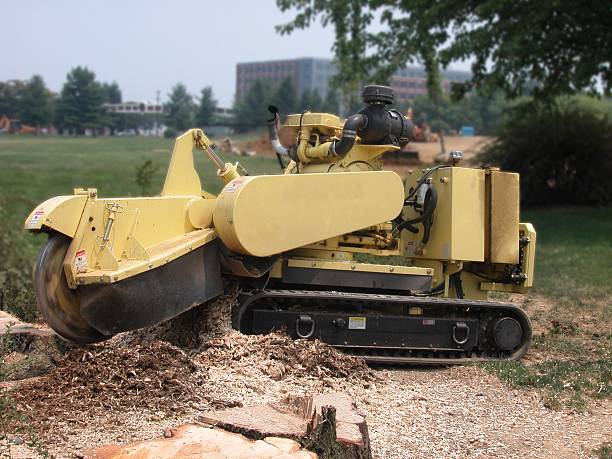
Tree removal is a necessary part of landscape management. Whether due to disease, damage, or landscape renovations, there are times when trees need to be taken down. However, even after the tree is gone, the stump remains. That stump can be more than just an eyesore—it can create hazards, attract pests, or even hinder future planting. This is where tree stump grinding comes in, a process that involves the use of specialized machinery to remove tree stumps safely and efficiently.
While stump removal might seem straightforward, it involves both an artful approach and scientific precision. Stump grinding professionals rely on their knowledge of tree species, root systems, and terrain to ensure a smooth process. Whether you’re considering hiring a tree stump grinding service or want to learn more about the process, this article will delve into the intricacies of stump grinding, from the technology used to its benefits.
Why Remove a Tree Stump?
Once a tree is removed, many homeowners are left with the decision of whether to leave the stump in place or remove it. While some may consider leaving the stump as a natural feature, there are several compelling reasons to grind it down.
- Aesthetic Appeal: A leftover tree stump can significantly detract from the appearance of your yard. Removing it provides a cleaner, more visually appealing landscape.
- Safety Concerns: Tree stumps can be hazardous, particularly in areas where children play or where mowing and other yard work occurs. People can trip over stumps, leading to injuries.
- Pest Attraction: Dead tree stumps can attract unwanted pests, such as termites, beetles, and ants, which could eventually spread to other trees or even your home.
- Regrowth: In some cases, a stump can allow for tree regrowth. While this might sound appealing to those who want the tree back, it can create unsightly shoots and increase maintenance.
- Space Optimization: Grinding down a tree stump opens up valuable space for future planting, landscaping, or lawn expansion. Without the stump in the way, homeowners can reclaim areas of their yard for more practical uses.
The Process of Tree Stump Grinding
Tree stump grinding is not just a matter of using brute force to remove a stump from the ground. It requires specialized machinery and an understanding of the landscape, tree species, and root system. The goal is to grind the stump down below ground level, leaving the area ready for replanting or lawn care. Let’s break down the process.
Step 1: Assessing the Stump
Before any grinding can take place, a professional tree stump grinding service will begin by assessing the size and condition of the stump. They’ll also evaluate the root system, soil type, and any nearby obstacles such as pipes, foundations, or other landscaping features.
Some stumps are more challenging than others to remove due to deep or widespread roots. Certain tree species, such as oaks and elms, have particularly stubborn root systems. The age of the stump also plays a role; older, decayed stumps are generally easier to grind compared to fresh ones with dense wood.
Step 2: Preparing the Area
Once the stump is evaluated, the next step involves clearing the area around it. Any debris, rocks, or plants near the stump need to be removed to avoid damaging the grinding machinery and to provide clear access to the stump. It’s important to ensure there are no hidden obstacles like cables, wires, or pipes that could be damaged during the process.
Step 3: Using the Stump Grinder
The primary tool used for stump removal is a stump grinder. This machine features a rotating cutting wheel that chews away at the wood. The grinder uses carbide teeth, which are highly durable and sharp, to break the stump into wood chips. Depending on the size of the stump and root system, grinding may take anywhere from 30 minutes to a few hours.
Most stump grinders can handle stumps up to 12 inches below ground level. This depth ensures that the stump is fully eliminated, preventing regrowth and allowing for easy replanting or landscaping in the future.
Step 4: Cleaning Up
After the stump is ground down, the leftover wood chips and debris are usually cleared away. Many homeowners choose to use these wood chips as mulch for their garden or yard, but professionals can haul them away if requested. Once the debris is removed, the area can be filled with soil and prepared for reseeding or planting.
The Art of Stump Grinding
While stump grinding is a technical process, it also involves a level of artistry. Each stump presents unique challenges that require creative problem-solving skills. The grinder operator must skillfully maneuver the machine around roots and obstacles while ensuring that the stump is ground evenly and efficiently. The operator’s expertise lies in knowing how to adjust the grinder’s depth and pressure based on the wood density, stump size, and terrain.
Additionally, there’s an aesthetic aspect to stump grinding. Homeowners want the final result to be as seamless as possible, with the ground restored to a natural and level appearance. A professional tree stump grinding service ensures that the final product enhances the overall beauty and usability of the landscape.
The Science Behind Stump Grinding
On the scientific side, stump grinding requires a deep understanding of tree biology and root systems. Not all trees are created equal—some have shallow, sprawling roots, while others have deep taproots that make grinding more difficult. Tree species, soil type, and even the season in which the tree was removed can impact the stump grinding process.
The technology behind stump grinders is also based on scientific principles. The machines use rotating, high-speed cutting discs, powered by strong engines, to slice through wood efficiently. These machines need to be robust enough to handle the toughest tree stumps but also precise to avoid damaging surrounding areas.
Benefits of Tree Stump Grinding
Grinding down tree stumps offers several benefits that make it an attractive option for homeowners and landscapers alike:
- Cost-Effective: Compared to full stump removal, grinding is much more affordable. It doesn’t involve digging out the roots, which can be labor-intensive and costly. Additionally, the wood chips produced during grinding can be repurposed, adding further value.
- Environmental Friendliness: Stump grinding is an environmentally conscious choice. Unlike chemicals that may be used to speed up the stump decay process, stump grinding leaves no harmful residues behind. The mulch created can be used to enrich the soil.
- Prevents Unwanted Growth: By grinding the stump below ground level, the risk of tree regrowth is significantly reduced. This ensures that the tree won’t sprout again, saving homeowners from dealing with shoots that can complicate landscaping plans.
- Quick and Efficient: Stump grinding is a relatively quick process. Depending on the size and hardness of the stump, it can take as little as 30 minutes to complete. This efficiency makes it ideal for busy homeowners who want quick results.
- Improved Landscape: A ground-down stump improves the overall look of your yard, creating a flat, uniform surface that can be used for planting, installing new sod, or landscaping.
DIY vs. Professional Stump Grinding
Homeowners may wonder if stump grinding is a DIY project or if it’s best left to professionals. While it’s possible to rent stump grinders from equipment rental companies, the decision depends on several factors.
DIY Stump Grinding
DIY stump grinding is a feasible option for smaller stumps, particularly those in open areas without nearby obstacles. However, stump grinding machines are large, heavy, and require skill to operate safely. Improper use of these machines can lead to damage to the yard or nearby structures. Moreover, the grinding process can be physically demanding and time-consuming for those unfamiliar with the equipment.
For homeowners confident in their ability to handle large machinery and willing to dedicate time to the project, DIY stump grinding can save money. However, the risks associated with improper use may outweigh the cost savings for many.
Professional Tree Stump Grinding Service
Hiring a professional tree stump grinding service ensures that the job is done correctly and safely. Stump grinding experts are trained to operate the machinery efficiently, avoiding damage to the surrounding area. They also have experience with different tree species and root systems, allowing them to complete the job quickly.
In addition to their expertise, professional services often come with cleanup options, taking care of wood chips and debris, so homeowners don’t have to worry about the aftermath. A professional service can also handle multiple stumps at once, making it an efficient choice for larger jobs.
Safety Considerations in Tree Stump Grinding
Stump grinding may appear straightforward, but it comes with significant safety considerations. Stump grinders are powerful machines capable of causing injury if not handled properly. Flying debris, such as wood chips and rocks, can pose hazards to both the operator and bystanders.
Professional stump grinding services follow strict safety protocols to protect both people and property. This includes wearing protective gear, ensuring the grinder is in proper working condition, and clearing the area of obstacles before beginning. For DIYers, adhering to safety guidelines is critical to prevent accidents.
Conclusion
Tree stump grinding is an essential part of landscape management, combining both art and science. From assessing the stump to safely and efficiently grinding it down, the process requires technical expertise and creative problem-solving. Whether you choose to do it yourself or hire a professional tree stump grinding service, the benefits of removing a stump far outweigh leaving it in place. Not only will your yard look more aesthetically pleasing, but you’ll also avoid potential safety hazards, pests, and regrowth.
By understanding the process and importance of stump grinding, homeowners can make informed decisions that improve the safety, functionality, and beauty of their landscapes.