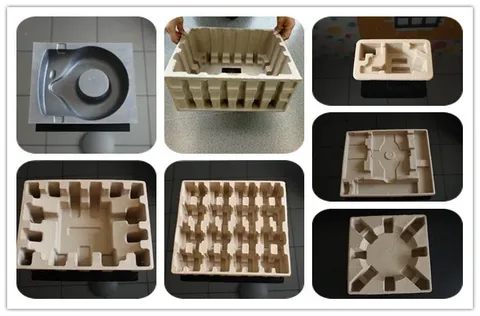
Molded pulp products have gained significant popularity in recent years due to their eco-friendly nature and versatility. Made from recycled paper, cardboard, and other fiber-based materials, these products serve as sustainable alternatives to plastic packaging, trays, and other consumer goods. The manufacturing process of molded pulp products involves a series of steps that transform raw fibers into durable, molded items used across industries like food packaging, electronics, and even automotive parts. This article explores the various stages of creating molded pulp products, highlighting the materials, techniques, and innovations involved in this environmentally responsible production method.
The increasing demand for sustainable products is fueling the growth of the molded pulp industry. As consumers and businesses shift toward more eco-conscious solutions, the appeal of molded pulp products has surged. The molding process itself offers a significant reduction in environmental impact when compared to traditional plastic-based products. Understanding how these molded pulp products are made, from raw materials to finished products, can provide insight into how industries are adopting green solutions without sacrificing quality or functionality.
Raw Materials for Molded Pulp Products
The first stage in manufacturing molded pulp products is the selection of raw materials. The primary raw materials used in this process are recycled paper and cardboard, which are sourced from post-consumer waste or industrial scrap. These materials are highly sustainable as they are repurposed, reducing the need for virgin resources and conserving trees. Additionally, the fibers used in the pulp are biodegradable and recyclable, contributing to the eco-friendly nature of the products.
Once collected, the raw materials undergo a process of cleaning and pulping. This typically involves shredding the paper and cardboard, followed by soaking them in water to break down the fibers into a slurry or pulp. In some cases, additives such as starch, resins, or natural fibers may be included to improve the strength or flexibility of the final product. The quality of the raw materials plays a crucial role in the overall performance of molded pulp products, making material selection and processing a critical aspect of the production process.
The Molded Pulp Forming Process
The heart of the manufacturing process lies in the actual molding of the pulp into the desired shape. This stage involves placing the pulp slurry into a mold, where it is shaped according to the design of the product being created. There are two main techniques used for molding: vacuum molding and pressure molding. In vacuum molding, the pulp slurry is poured into a mold, and a vacuum is applied to remove excess water, causing the pulp to form a solid shape. In pressure molding, pressure is applied to the pulp slurry to achieve a denser, more compact structure.
Both methods rely on a combination of time, pressure, and temperature to ensure the pulp takes on the intended form while retaining the necessary strength and durability. The molding process is highly customizable, allowing manufacturers to create a wide range of products, from simple trays to more intricate shapes used in electronic packaging. The flexibility of this process has made molded pulp products a popular choice across industries, providing solutions for various packaging and protective needs.
Drying and Finishing of Molded Pulp Products
Once the molded pulp products are formed, they need to be dried to remove any remaining moisture. This step is essential to ensure the product retains its shape and durability. The drying process typically involves either air-drying or using industrial dryers, depending on the production scale and the type of product being made. Air-drying is a more energy-efficient option, while industrial dryers speed up the process for higher-volume production.
After drying, the molded pulp products may undergo additional finishing treatments. This can include trimming, surface smoothing, or coating to improve their appearance and performance. Coatings, such as water-resistant or oil-resistant layers, may be applied to certain products, especially those intended for food packaging, to ensure they meet hygiene and durability standards. The finishing stage ensures that the molded pulp products are ready for distribution, meeting the specifications of customers across various industries.
Environmental Benefits and Future Innovations
One of the most significant advantages of molded pulp products is their environmental impact. As these products are primarily made from recycled materials, their production process consumes fewer resources and produces less waste compared to plastic alternatives. Additionally, molded pulp products are biodegradable and compostable, making them ideal for reducing the environmental footprint of packaging and other disposable items. This eco-friendly nature has driven the demand for molded pulp products, especially as consumers and businesses become more focused on sustainability.
Looking to the future, the molded pulp industry continues to innovate. Research is ongoing into improving the strength, flexibility, and appearance of molded pulp products, making them even more competitive with traditional materials like plastic. Advances in additives, coatings, and processing techniques are expanding the range of applications for molded pulp, from high-end electronics packaging to automotive components. The continued evolution of molded pulp technology suggests that the industry will remain a key player in the shift toward sustainable manufacturing practices and products.
Conclusion
The manufacturing process of molded pulp products is a prime example of how sustainability can be integrated into industrial production. From the careful selection of raw materials to the molding and finishing stages, every step in the process is designed to minimize environmental impact while producing durable, high-quality products. As businesses and consumers increasingly prioritize eco-friendly solutions, the role of molded pulp products is set to grow, driving innovation and leading the way toward a more sustainable future. By understanding the manufacturing process, we can appreciate the complexity and potential of these versatile, green products in various industries.