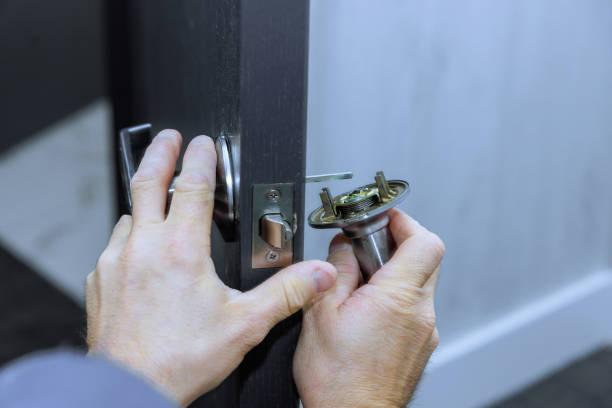
Locks are a critical component of home and business security, ensuring that your property and valuables remain protected. Choosing the right lock and installation method is essential for optimal security. However, with various lock types and installation options available, deciding on the best solution can be overwhelming.
Whether you’re installing a lock yourself or hiring professional lock installation services, understanding the factors to consider is crucial. This guide will help you navigate the decision-making process and ensure you select the perfect lock for your needs.
1. Type of Lock
The first step in installing a lock is determining the type of lock you need. Different locks serve different purposes and offer varying levels of security. Common lock types include:
a. Deadbolt Locks
Deadbolts provide a high level of security and are ideal for exterior doors. They come in single-cylinder, double-cylinder, and smart versions, depending on your preference.
b. Knob Locks
Knob locks are commonly used for interior doors. While convenient, they’re not suitable for exterior use due to their lower security level.
c. Lever Handle Locks
These locks are often used in commercial settings or on interior doors where ease of access is a priority.
d. Smart Locks
Smart locks offer advanced features such as keyless entry, remote access, and integration with home automation systems. They’re ideal for tech-savvy homeowners seeking convenience and modern security solutions.
e. Padlocks
Portable and versatile, padlocks are used for gates, storage units, and sheds.
f. Mortise Locks
Mortise locks are durable and often used in commercial properties or high-security applications.
Consider the purpose of the lock and its location before making a decision.
2. Level of Security
Different locks provide varying levels of security. For high-security areas like exterior doors, consider locks with advanced mechanisms, such as deadbolts or mortise locks. Look for locks with certifications such as ANSI (American National Standards Institute) grades to ensure quality and security.
ANSI Grading System:
- Grade 1: Highest level of security, suitable for commercial and exterior residential doors.
- Grade 2: Moderate security, ideal for residential doors.
- Grade 3: Basic security for interior doors.
Choosing a lock with the appropriate security grade can prevent break-ins and unauthorized access.
3. Door Material and Thickness
The material and thickness of your door influence the type of lock you can install. For example:
- Wooden Doors: Compatible with most locks, including deadbolts and mortise locks.
- Metal Doors: Require heavy-duty locks and additional reinforcement for proper installation.
- Glass Doors: Often need specialized locks, such as double-cylinder deadbolts, for added security.
Measure the door’s thickness before purchasing a lock to ensure compatibility.
4. Keyed vs. Keyless Options
Decide whether you prefer a traditional keyed lock or a keyless entry system:
Keyed Locks
- Dependable and widely used.
- Require physical keys, which can be lost or duplicated.
Keyless Locks
- Offer convenience and advanced features.
- Eliminate the need for physical keys, relying instead on PIN codes, smartphone apps, or biometric authentication.
Keyless locks, such as smart locks, are ideal for those seeking modern, user-friendly solutions.
5. Aesthetics and Design
The lock’s design should complement your door and overall decor. Locks are available in various finishes, such as brass, chrome, bronze, and matte black. Choose a lock that matches your style without compromising security.
6. Ease of Installation
Consider whether you’ll install the lock yourself or hire professional lock installation services. While DIY installation can save money, it may not guarantee optimal security, especially for high-grade locks or smart systems.
Professional Lock Installation Services
- Ensure proper alignment and functionality.
- Provide expertise in handling complex or high-security locks.
- Offer guidance on selecting the best lock for your needs.
For peace of mind, hiring professionals is often the best choice.
7. Compatibility with Existing Systems
If you’re upgrading or replacing a lock, ensure it’s compatible with your existing door hardware and security system. For example, smart locks should integrate seamlessly with your home automation system.
8. Budget
Locks come in a wide price range. Set a budget based on your security needs and preferences. While it may be tempting to choose the cheapest option, investing in a high-quality lock is essential for long-term security.
9. Local Building Codes and Regulations
Some areas have building codes that specify the type of locks allowed, especially for commercial properties. Check local regulations before purchasing and installing a lock to avoid legal issues.
10. Weather Resistance
For outdoor locks, choose weather-resistant materials to prevent rust and wear. Stainless steel or brass locks are durable options for exterior use.
11. Maintenance Requirements
Consider the lock’s maintenance needs, especially for smart locks or high-security systems. Regular upkeep ensures smooth operation and prolongs the lock’s lifespan.
12. Future Needs and Upgrades
Choose a lock that accommodates future upgrades or changes. For example, modular smart locks allow you to add features or replace components as technology evolves.
13. Emergency Access
Ensure the lock allows for emergency access. For example, double-cylinder deadbolts require a key on both sides, which can delay exit during emergencies. Consider a single-cylinder option for easier access.
Benefits of Hiring Lock Installation Services
While DIY lock installation can be tempting, professional lock installation services offer several advantages:
- Expertise: Professionals have the knowledge and tools to install locks correctly.
- Enhanced Security: Proper installation ensures the lock functions as intended.
- Time-Saving: Locksmiths can complete the job quickly and efficiently.
- Warranty Coverage: Many services provide warranties for their work.
- Guidance: Professionals can recommend the best locks for your specific needs.
Common Mistakes to Avoid When Installing Locks
- Choosing the wrong lock type for the door.
- Ignoring the lock’s security grade.
- Improper alignment during installation.
- Neglecting local building codes.
- Failing to test the lock thoroughly after installation.
Avoiding these mistakes ensures your lock provides maximum security and functionality.
Conclusion
Installing a lock involves more than simply choosing a product and attaching it to your door. By considering factors like lock type, security level, door compatibility, and professional installation, you can make an informed decision that enhances your property’s safety.
While DIY installation may work for simple locks, complex systems or high-security applications often require professional lock installation services. These experts ensure that your locks are installed correctly, providing peace of mind and reliable protection.
Investing time and resources into selecting the right lock and installation method will pay off in the form of a secure and functional locking system tailored to your needs.