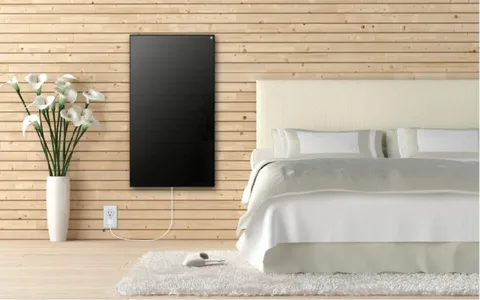
In today’s pursuit of energy-efficient and eco-conscious heating solutions, Infrared Heating Panels are becoming a modern comfort essential for homes and workplaces. These innovative heating devices offer a sustainable alternative to conventional systems by emitting infrared waves that directly warm up objects and people in a space. This approach results in a more efficient heating process and creates a more consistent and pleasant warmth. Unlike traditional heating methods, which primarily heat the air and can often lead to uneven temperatures and drafts, infrared panels provide a more balanced and comfortable environment. As people become increasingly aware of their environmental impact and seek greener
Environmental Benefits
Infrared-Heating Panels offer significant environmental advantages by providing an efficient and sustainable heating method. Unlike traditional heating systems that waste energy by heating the air, infrared panels directly heat objects and people, leading to more effective and energy-efficient temperature control. This method reduces energy consumption and greenhouse gas emissions, making it an eco-friendly option for both homes and businesses. Below are the key environmental benefits:
1. Energy Efficiency
Infrared-Heating Panels use less energy to heat a space compared to conventional systems, as they target specific areas or objects. This direct heating method reduces the need for excessive energy use, resulting in lower electricity bills and less energy waste.
2. Lower Carbon Footprint
By using less energy, infrared panels help decrease the overall consumption of fossil fuels needed for electricity generation. This results in a reduction in carbon emissions, contributing to a smaller carbon footprint and supporting efforts to combat climate change.
3. Improved Indoor Air Quality
Infrared-Heating Panels do not rely on air circulation to distribute heat, which means they don’t stir up dust, pollen, or other allergens. This helps maintain better indoor air quality, benefiting individuals with respiratory issues and creating a healthier environment.
4. Use of Eco-Friendly Materials
Many Infrared-Heating Panels are constructed with sustainable materials that have less environmental impact than traditional heating solutions. Additionally, some models are designed to be compatible with renewable energy sources, such as solar power, further enhancing their eco-friendly nature.
5. Compatibility with Renewable Energy Systems
Infrared-Heating Panels can easily be integrated into renewable energy systems, such as solar or wind power, which reduces reliance on non-renewable energy sources. This makes them a perfect choice for environmentally conscious individuals and businesses.
By switching to Infrared-Heating Panels, users can significantly reduce their environmental impact, promote healthier living conditions, and align with the growing trend toward eco-conscious living.
Infrared Heating as a Green Option
Infrared-Heating Panels offer a greener solution by directly heating objects and people rather than the air. This targeted method reduces energy waste commonly associated with traditional systems where heated air rises or escapes, leading to inefficiencies. Consequently, infrared panels require less energy to maintain warmth, resulting in lower energy consumption and a smaller environmental footprint.
The panels’ efficiency translates to financial savings, making them an appealing choice for eco-conscious households and businesses. Their ability to provide consistent warmth without relying on air circulation ensures that energy is utilised more effectively. This results in fewer emissions from energy production, contributing to overall environmental sustainability.
Another significant advantage is the minimal impact on indoor air quality. By avoiding the circulation of air, Infrared-Heating Panels do not stir up dust, pollen, or other allergens, which is beneficial for those with respiratory conditions. This cleaner heating method enhances the indoor environment, promoting health and well-being.
Infrared panels also often incorporate eco-friendly materials and can be compatible with renewable energy sources like solar power. This integration supports broader sustainability goals and further reduces reliance on fossil fuels. By investing in infrared technology, users can positively impact the environment while enjoying the benefits of modern, efficient heating. Their discreet design and adaptability to various settings make them a practical and stylish addition to any space.
Effect on Carbon Footprint
Infrared-Heating Panels offer a strategic approach to reducing carbon emissions by efficiently heating spaces with minimal energy consumption. Unlike conventional heating systems that often result in energy waste due to heating air that rises or escapes, infrared panels directly warm objects and people. This method ensures that energy is used more effectively, leading to a significant reduction in carbon footprint.
Infrared panels optimise space heating efficiency when installed thoughtfully—whether on ceilings, walls or as standalone units. By avoiding obstructions and ensuring coverage of key living or working areas, these panels can maximise their effectiveness, contributing to energy savings.
Additionally, using eco-friendly materials to design many Infrared-Heating Panels aligns with broader sustainability goals. Their compatibility with renewable energy sources, such as solar power, further enhances their environmental credentials. This integration supports the reduction of reliance on fossil fuels, promoting a cleaner and more sustainable future.
Infrared-Heating Panels also contribute to healthier indoor air quality by not relying on air circulation, thereby avoiding the disturbance of dust and allergens. This makes them an ideal choice for individuals with respiratory conditions, adding another benefit to their use.
The reduced energy consumption of infrared panels translates to fewer fossil fuels being burned for electricity, further mitigating negative environmental impacts. Adopting Infrared-Heating Panels is a proactive step towards achieving a more sustainable lifestyle.
Energy Efficiency Advantages of Infrared-Heating Panels
Infrared-Heating Panels improve energy efficiency, ensuring energy is converted directly into heat without significant losses. This heating method reduces the energy consumption needed to maintain a comfortable temperature, leading to noticeable savings on energy bills. Unlike conventional systems that warm the air, infrared panels heat objects and people directly, ensuring warmth is felt immediately and consistently. This rapid heat-up time means the panels do not need to be on for long periods, further contributing to energy savings.
Additionally, the even distribution of heat provided by infrared panels prevents cold spots and drafts, enhancing comfort while using less energy. Their versatile installation options, including wall and ceiling mounts, allow optimal placement to maximise efficiency. By offering targeted heating, infrared panels minimise energy waste and promote a more sustainable way to heat residential and commercial spaces.
Their discreet design also means they can seamlessly integrate into any interior without compromising aesthetics. This combination of efficiency, rapid heating, and design flexibility makes infrared panels a highly effective and modern heating solution.
Functionality of Heating Panels Infrared Areas
Heating Panels Infrared emit infrared radiation, a type of electromagnetic wave absorbed by objects and surfaces within a room. This absorption process generates warmth in the objects, gradually releasing heat into the environment, ensuring a cosy and even temperature throughout the space. Unlike conventional heating systems that depend on air circulation, infrared panels do not disturb dust or allergens, making them suitable for individuals with respiratory sensitivities.
Moreover, infrared panels are highly versatile in terms of installation options, as they can be mounted on walls or ceilings, thus optimising space usage and providing efficient heat distribution. This flexibility allows for a more strategic placement within any room, ensuring that the heat is directed exactly where needed. This is particularly beneficial in rooms with high ceilings or large open spaces where traditional heating methods might struggle to maintain consistent temperatures.
Another notable advantage is the rapid heat-up time of infrared panels. Unlike conventional systems that can take a while to warm up the entire room, infrared panels provide warmth almost immediately, particularly during colder months. This immediacy in heating enhances comfort and contributes to energy savings, as the panels do not need to be on for extended periods.
Infrared-Heating Panels are also designed with modern aesthetics in mind. They come in various sizes, colours, and finishes, allowing them to blend into contemporary interiors seamlessly. This makes them appealing to those who want to maintain their style while ensuring efficient and effective heating. Their discreet design can be integrated into various settings without disrupting the décor.
Comparing Infrared Heating with Traditional Systems
Traditional heating systems, such as radiators and convection heaters, operate by warming the air, which then circulates to distribute heat. This method can be less efficient as warm air rises, leading to uneven temperatures and potential energy waste. In contrast, Infrared-Heating Panels work by directly warming objects and people in a room, resulting in more consistent and immediate warmth.
Another key difference is the maintenance and durability of the systems. Traditional heaters often require regular upkeep, such as bleeding radiators or servicing boilers, which can add to long-term costs. Infrared panels, on the other hand, have fewer moving parts and generally require less maintenance, offering a more hassle-free heating solution.
Installation flexibility is another advantage of infrared panels. They can be mounted on walls or ceilings, optimizing space and allowing for strategic placement to maximise heating efficiency. Traditional systems often occupy valuable floor space and can be more challenging to install, especially in smaller or uniquely shaped rooms.
Noise levels also vary between the two systems. Infrared panels operate silently, creating a quieter environment, whereas traditional systems can generate noise through air movement or mechanical operations. This makes infrared panels an appealing choice for spaces where a tranquil atmosphere is important, such as bedrooms or offices. Additionally, infrared panels’ modern, sleek designs can seamlessly integrate into contemporary interiors, enhancing both functionality and aesthetics.
How Infrared Panels Contribute to Lower Energy Bills
The heating method of infrared panels ensures that energy is converted directly into heat, resulting in minimal energy loss. This efficiency translates into lower energy consumption, as the panels provide warmth almost immediately upon activation, reducing the need for prolonged use. Unlike conventional systems, which often require significant energy to maintain a comfortable environment, infrared panels achieve the desired temperature quickly and consistently.
Furthermore, infrared panels reduce the need for supplementary heating devices. Their ability to provide targeted warmth to specific areas means less reliance on other forms of heating, contributing to overall energy savings. This can be particularly advantageous during colder months when heating demands are higher.
Additionally, infrared panels often have lower maintenance requirements compared to traditional systems. This saves on repair and upkeep costs and ensures that the system operates at peak efficiency, further reducing energy bills. The versatility of installation options, including wall and ceiling mounts, allows for strategic placement that maximises heating effectiveness without compromising space or design. By investing in Infrared-Heating Panels, households and businesses can enjoy the benefits of modern, efficient heating and lower energy expenses.
Uses in Residential and Workplace Settings
Infrared-Heating Panels offer a versatile solution for residential and workplace settings, providing efficient and discreet warmth. They can be used in living rooms, bedrooms, and bathrooms, offering a sleek and modern alternative to bulky radiators. Their discreet design allows them to blend seamlessly into any décor, making them an attractive choice for those looking to maintain a stylish interior.
In workplaces, infrared panels contribute to a comfortable and productive environment by providing consistent heat without the noise or dust circulation associated with traditional systems. Their rapid heat-up time ensures immediate warmth, which is particularly beneficial during colder months. Additionally, the flexibility of installation options, such as wall or ceiling mounts, allows optimal placement, ensuring even heat distribution in various room layouts.
This adaptability makes infrared panels ideal for a range of settings, from open-plan offices to compact home spaces. Their efficiency and modern aesthetics make them a practical and appealing heating solution for anyone seeking to enhance comfort and reduce energy consumption.
Conclusion
Infrared Heating Panels are a modern, efficient, and eco-friendly solution for residential and workplace settings. Their ability to deliver consistent warmth, reduce energy consumption, and blend seamlessly into contemporary interiors makes them appealing. With benefits like rapid heat-up times, minimal maintenance, and compatibility with renewable energy, these panels align with the growing demand for sustainable and cost-effective heating systems.
FAQs
How do Infrared Heating Panels work?
Infrared Heating Panels emit radiation that warms objects and people directly rather than heating the air.
Are infrared panels energy-efficient?
Yes, they convert energy directly into heat with minimal loss, reducing energy consumption and costs.
Can infrared panels improve indoor air quality?
Yes, they don’t rely on air circulation, avoiding dust and allergens, making them ideal for sensitive individuals.
| Related Business Listings |
| Contact Directory |
| Local Business Profiles |