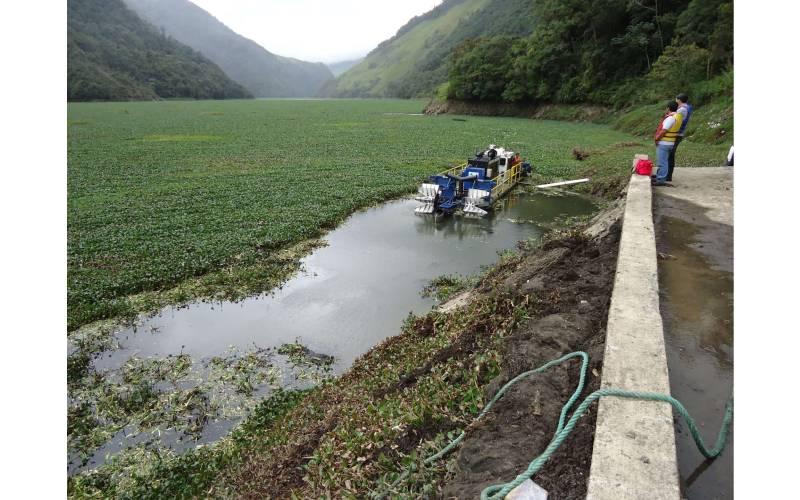
Vegetation dredging is an essential ecological tool used for managing aquatic environments. This technique, which involves the removal of excess vegetation from water bodies such as lakes, rivers, and wetlands, plays a pivotal role in maintaining the health of these ecosystems. While vegetation is crucial for supporting aquatic life, overgrowth can lead to several environmental challenges, including reduced water quality, hindered navigation, and the loss of biodiversity. Vegetation dredge not only helps in managing these challenges but also provides a critical service to biodiversity conservation. It helps in controlling invasive species, restoring habitats, and ensuring that aquatic ecosystems remain balanced and resilient. As the world grapples with environmental degradation and climate change, the role of vegetation dredge in maintaining biodiversity has become more prominent. This practice aids in enhancing ecosystem health, supports the restoration of natural habitats, and helps in the preservation of species diversity, all of which are vital for the sustainable functioning of aquatic ecosystems.
How Vegetation Dredge Contributes To Ecosystem Health?
Vegetation dredge plays a vital role in maintaining the overall health of aquatic ecosystems. Overgrown aquatic plants can often lead to oxygen depletion in water bodies, especially when these plants decay. This creates hypoxic conditions, which are detrimental to fish, aquatic invertebrates, and other organisms that rely on oxygenated water. Excessive vegetation can also obstruct the flow of water, leading to stagnant conditions that promote the growth of harmful bacteria and algae. These algae blooms can further deplete oxygen levels, resulting in dead zones where most forms of life cannot survive. Vegetation dredge is used to clear these excess plants, restoring the balance of oxygen in the water and preventing these harmful effects. By managing aquatic vegetation, vegetation dredging helps maintain water quality, ensure proper nutrient cycling, and support a healthier, more resilient ecosystem. The removal of invasive plant species, which can dominate and outcompete native plants, is another crucial aspect of vegetation dredging that enhances the biodiversity and overall stability of aquatic ecosystems.
Vegetation Dredge’s Role In Habitat Restoration
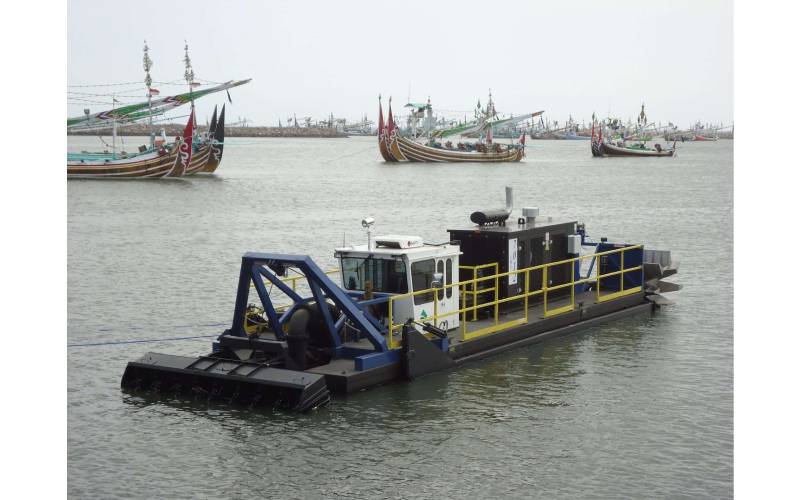
The restoration of natural habitats is one of the most significant contributions of vegetation dredge to biodiversity conservation. Wetlands, lakes, and rivers are essential habitats for a wide range of species, including fish, amphibians, birds, and countless invertebrates. However, human activities such as pollution, urbanization, and agriculture can lead to the degradation of these habitats, often causing a buildup of excess vegetation or the invasion of non-native species. Vegetation dredge plays an integral role in restoring these ecosystems by removing invasive plants, excess nutrients, and organic matter that impede natural processes. This process can help improve water circulation, restore sunlight penetration, and provide the necessary space for native plant species to thrive. By rejuvenating these habitats, vegetation dredge helps ensure that they remain conducive to the survival of native species and contribute to a broader regional biodiversity network. Furthermore, restored habitats support ecological processes such as flood control, water filtration, and carbon sequestration, which are essential for maintaining a balanced environment.
Enhancing Biodiversity With Vegetation Dredge Techniques
Vegetation dredging techniques are vital tools in enhancing biodiversity within aquatic environments. One of the key ways in which vegetation dredge contributes to biodiversity is by creating space for a diverse range of plant and animal species. When excessive vegetation is removed, it allows for the growth of a variety of aquatic plants that are native to the region. This, in turn, provides food and shelter for various aquatic animals, including fish, amphibians, and insects. By removing invasive plant species that threaten native flora and fauna, vegetation dredge also helps protect the genetic diversity of ecosystems. These invasive species can often crowd out native plants, disrupt food webs, and alter the physical characteristics of an environment. By controlling the spread of these species, vegetation dredge ensures that native biodiversity can thrive. Additionally, dredging helps maintain the structure of aquatic habitats, such as riverbeds, ponds, and wetlands, which are home to diverse species. The restoration of these habitats provides opportunities for new species to colonize and thrive, leading to an overall increase in biodiversity.
Vegetation Dredge As A Tool For Wetland Preservation
Wetlands are some of the most biologically productive ecosystems on Earth, providing vital services such as water purification, flood control, and carbon sequestration. However, wetlands are particularly susceptible to the effects of overgrown vegetation, pollution, and the invasion of non-native species. Vegetation dredge is an important tool for preserving these critical habitats. By removing excess vegetation, dredging helps prevent the deterioration of wetlands, allowing them to maintain their ecological functions. Excessive plant growth can reduce the capacity of wetlands to filter water and absorb nutrients, leading to the eutrophication of water bodies. Vegetation dredge restores the natural flow of water and ensures that wetlands continue to serve as effective water filters. Moreover, the removal of invasive species through dredging allows native wetland plants to regenerate and thrive, ensuring that these habitats can continue to support a diverse array of species. Wetland preservation through vegetation dredge also benefits local communities, as healthy wetlands contribute to water management, support fisheries, and enhance recreational opportunities.
The Impact Of Vegetation Dredge On Invasive Species Control
Invasive species pose one of the greatest threats to biodiversity worldwide, particularly in aquatic ecosystems. These non-native species can quickly dominate an environment, outcompeting native plants and animals for resources such as food and space. They can alter the physical environment, disrupt ecological processes, and diminish the diversity of native species. Vegetation dredge is an effective method for controlling invasive species in water bodies. By removing invasive plants, such as water hyacinth or invasive reeds, dredging helps restore the balance between native and non-native species. This process reduces the spread of these species and provides native plants with the opportunity to regrow and restore natural biodiversity. Invasive species are often more resilient than native plants and can rapidly colonize and dominate ecosystems when left unchecked. Vegetation dredging, therefore, serves as an important strategy for managing these invaders and ensuring that native species remain the dominant force in these environments. Additionally, by improving water quality and habitat structure, vegetation dredge can create conditions that are less favorable to invasive species, further enhancing its role in ecosystem management.
Long-Term Benefits Of Vegetation Dredge For Aquatic Ecosystems
The long-term benefits of vegetation dredging for aquatic ecosystems are profound. While the immediate effects of dredging may include the removal of excess vegetation and the restoration of water quality, the long-term impacts are even more significant. Over time, vegetation dredge helps stabilize ecosystems by ensuring that habitats remain healthy and resilient to changes in environmental conditions. The removal of invasive species and the restoration of native plant populations foster biodiversity, which in turn supports ecosystem services such as water filtration, carbon sequestration, and nutrient cycling. These long-term benefits contribute to the overall stability of ecosystems, making them better able to withstand climate change, pollution, and other human-induced stressors. Furthermore, the improvement of water quality through vegetation dredge helps ensure that aquatic species can continue to thrive, which benefits local fisheries, wildlife, and human populations that rely on these ecosystems for food, recreation, and other resources. The long-term health of these ecosystems also supports the resilience of surrounding communities, reducing the impact of floods and ensuring a reliable water supply.
Vegetation Dredge And Its Contribution To Species Diversity
Species diversity is a key indicator of ecosystem health, and vegetation dredge plays a critical role in maintaining this diversity in aquatic environments. By managing the growth of aquatic plants and controlling the spread of invasive species, vegetation dredging helps create conditions that support a wide variety of species. Aquatic plants are the foundation of food webs, providing sustenance for herbivores, which in turn support predators. When vegetation dredge removes excessive growth or invasive species, it allows native plants to flourish and provides a stable environment for animals to live and reproduce. Additionally, by maintaining the structure and quality of habitats, vegetation dredge helps to protect the many species that rely on these environments for shelter and breeding grounds. Healthy ecosystems with high species diversity are more resilient to environmental changes, making them better equipped to cope with challenges such as climate change, pollution, and habitat loss. Through the promotion of species diversity, vegetation dredge ensures that ecosystems remain dynamic, productive, and capable of supporting the full range of life that depends on them.
Conclusion
Vegetation dredge is an essential practice for preserving biodiversity in aquatic ecosystems. Through its various applications, from controlling invasive species to restoring habitats and improving water quality, vegetation dredging helps maintain the delicate balance of these environments. The benefits of vegetation dredge are far-reaching, supporting the health of aquatic ecosystems, enhancing biodiversity, and ensuring the long-term sustainability of these vital habitats. As the world continues to face environmental challenges, the role of vegetation dredge in ecosystem management and biodiversity conservation will become even more critical. By safeguarding aquatic habitats, controlling invasive species, and promoting species diversity, vegetation dredge contributes to the resilience and health of our planet’s ecosystems, ensuring that they can continue to support life for generations to come.