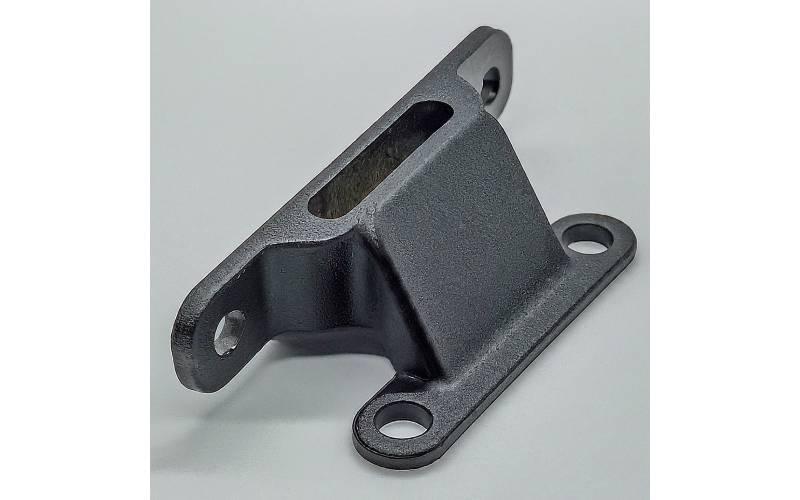
Custom injection molding solutions have emerged as a key component in sustainable manufacturing, transforming industries by enabling the production of high-quality, precisely molded products with minimal environmental impact. Injection molding, a process where molten material is injected into a mold to create products, has long been a popular choice for producing large volumes of items efficiently. However, the growing emphasis on sustainability has led to the development of custom solutions that reduce waste, enhance energy efficiency, and optimize material usage. The integration of sustainable practices within injection molding is driven by consumer demand for eco-friendly products and the increasing pressure on industries to reduce their carbon footprint. This process can be customized to meet specific environmental goals, from using recyclable materials to optimizing production methods for energy conservation. The adoption of custom injection molding solutions not only supports sustainability efforts but also promotes the creation of products that align with the evolving standards of environmental responsibility. In this article, we explore how custom injection molding solutions contribute to sustainable manufacturing, their benefits, challenges, and the future of this important technology in eco-conscious production systems.
Benefits Of Custom Injection Molding Solutions In Sustainable Manufacturing
Custom injection molding solutions offer numerous benefits to manufacturers aiming to achieve sustainability goals. One of the key advantages is the significant reduction of waste during production. By using precisely tailored molds and controlling the injection process, manufacturers can minimize excess material use, leading to fewer by-products and wasted resources. Additionally, these custom solutions allow for more efficient production runs, with consistent quality and fewer defects. This ensures that products are manufactured with fewer rejections, further reducing material waste. Furthermore, custom solutions can enable the integration of sustainable materials, such as biodegradable plastics or recycled polymers, into the production process. This flexibility in material selection ensures that manufacturers can meet industry-specific environmental standards while maintaining the desired quality and functionality of their products. The ability to fine-tune production methods with custom solutions also enhances operational efficiency, reducing energy consumption and optimizing the supply chain. By adopting custom injection molding solutions, manufacturers can achieve both cost-effectiveness and environmental sustainability, making it a win-win approach in the modern manufacturing landscape.
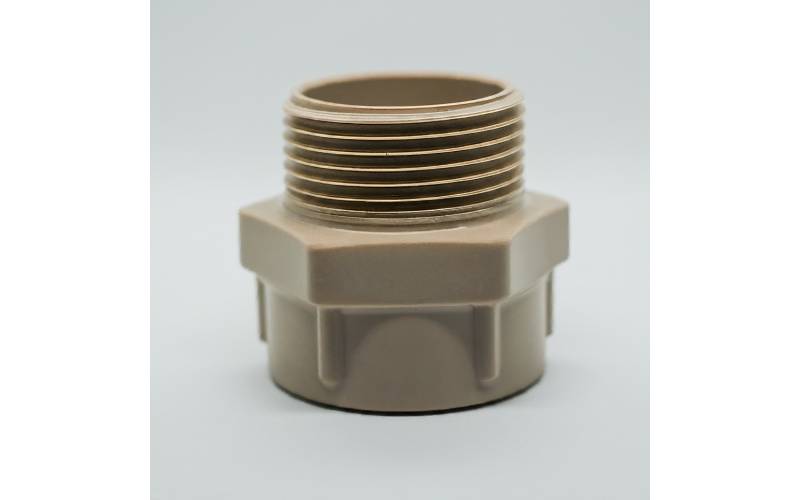
Custom Injection Molding Solutions Reduce Waste In Production
One of the most significant advantages of custom injection molding solutions is their ability to reduce waste in production. Traditional injection molding processes often result in material wastage due to excess plastic, incorrect molding temperatures, or inefficient design. However, custom solutions allow manufacturers to optimize every aspect of the injection molding process to ensure minimal waste. For example, custom molds are designed with the exact specifications of the product in mind, reducing the chances of overfilling or underfilling the molds, which leads to excess plastic that would otherwise be discarded. Custom tooling and molding techniques can also streamline the use of materials, enabling manufacturers to recycle and reuse scrap plastic from the production process. Additionally, advanced computer-aided design (CAD) systems and simulation software help manufacturers predict and eliminate issues before production even begins. This proactive approach allows for accurate material calculations, reducing the need for excess raw materials and preventing the creation of unnecessary waste. In turn, this results in more sustainable production practices that not only benefit the environment but also improve the bottom line by reducing material costs and the disposal of waste.
Custom Injection Molding Solutions In Eco-Friendly Manufacturing
In the context of eco-friendly manufacturing, custom injection molding solutions play an essential role in reducing the environmental impact of industrial production. These solutions facilitate the use of sustainable materials, such as bioplastics or recycled polymers, which significantly decrease reliance on virgin plastic production. Custom molds can also be designed to reduce material usage while maintaining the structural integrity and functionality of the product. Additionally, custom injection molding solutions allow for greater precision in the manufacturing process, ensuring that every product meets strict environmental and quality standards without the need for excessive material. These precision-driven techniques also minimize energy consumption, as the molding process requires less power to achieve the desired results. Custom solutions can also incorporate design features that make products more durable and recyclable, further supporting sustainable manufacturing. For example, products can be designed to be modular or disassemblable, allowing for easy repair or recycling at the end of their life cycle. By adopting custom injection molding, manufacturers contribute significantly to reducing carbon emissions, lowering waste, and promoting the use of environmentally friendly materials throughout the supply chain, making it an indispensable part of the movement toward eco-friendly production.
Materials Used In Custom Injection Molding Solutions For Sustainability
The materials used in custom injection molding solutions play a pivotal role in ensuring sustainability in manufacturing. By utilizing eco-friendly and renewable materials, manufacturers can reduce the environmental impact of their products. Biodegradable plastics, such as polylactic acid (PLA) or polyhydroxyalkanoates (PHA), are gaining popularity in custom injection molding processes due to their ability to break down naturally over time, reducing waste in landfills. Another key material is recycled plastics, which can be sourced from post-consumer or post-industrial waste, giving new life to discarded materials and reducing the demand for virgin resources. Custom injection molding solutions can be tailored to work with these materials, ensuring that they are used effectively without compromising the quality or durability of the final product. Additionally, custom solutions can include the use of advanced thermoplastics that are not only lightweight and strong but also recyclable and non-toxic. By carefully selecting the right materials for the specific application, manufacturers can produce high-performance products with a minimal environmental footprint, contributing to a circular economy and promoting sustainability within the manufacturing industry.
Energy Efficiency In Custom Injection Molding Solutions For Green Manufacturing
Energy efficiency is another crucial factor in making manufacturing processes more sustainable, and custom injection molding solutions are at the forefront of reducing energy consumption in production. Traditional injection molding processes can be energy-intensive, especially when they involve large-scale operations or inefficient heating and cooling systems. However, custom injection molding solutions are designed to optimize energy usage at every stage of production. For example, custom-designed molds can minimize the amount of heating required, reducing the need for excessive energy consumption. Additionally, by improving the overall precision and accuracy of the molding process, less energy is wasted on defective products or reworking. Custom solutions also allow for the integration of energy-efficient technologies, such as advanced servo-motors or variable-speed pumps, which help lower energy consumption during the injection molding process. Moreover, manufacturers can implement systems that recover and reuse energy within the production cycle, such as heat recovery systems, reducing the overall energy demand. The adoption of energy-efficient custom injection molding solutions aligns with green manufacturing principles, reducing the carbon footprint of production operations and ensuring that manufacturers meet regulatory sustainability requirements while still producing high-quality products.
Custom Injection Molding Solutions For Recycled And Renewable Products
Custom injection molding solutions are crucial for promoting the use of recycled and renewable products, aligning with the global push toward a circular economy. As industries face increasing pressure to reduce waste and reliance on non-renewable resources, custom injection molding processes offer the flexibility to work with a range of recycled materials, such as post-consumer plastics or industrial plastic scrap. This capability significantly reduces the environmental impact of manufacturing by diverting waste from landfills and repurposing it into high-quality products. Moreover, custom solutions can be tailored to accommodate renewable materials, such as plant-based polymers or biodegradable plastics, which offer an alternative to conventional petroleum-based plastics. Custom injection molding can also be used to create products designed for easy disassembly and recycling at the end of their life cycle, ensuring that materials are reused in the future. By incorporating recycled and renewable materials into custom injection molding solutions, manufacturers contribute to the development of sustainable product lifecycles, helping reduce resource consumption and waste generation in the long run.
Future Trends In Custom Injection Molding Solutions For Sustainable Practices
The future of custom injection molding solutions in sustainable manufacturing looks promising, with ongoing advancements aimed at further reducing environmental impact and enhancing efficiency. One emerging trend is the continued development of new, eco-friendly materials that can be used in injection molding, such as biodegradable thermoplastics, plant-based polymers, and even algae-based materials. These innovative materials offer an alternative to traditional plastics, providing manufacturers with sustainable options that do not compromise performance or durability. Another trend is the adoption of advanced technologies such as 3D printing and digital modeling, which allow for even more precise, efficient, and sustainable injection molding processes. These technologies enable manufacturers to design and produce custom molds with higher precision, reducing material waste and improving energy efficiency. Additionally, the implementation of artificial intelligence (AI) and machine learning in the production process can lead to smarter and more sustainable manufacturing systems, with real-time optimization of injection molding parameters for better resource management. As sustainability continues to be a top priority for manufacturers worldwide, the integration of these technologies into custom injection molding solutions will play a significant role in advancing sustainable practices in the industry.
Conclusion
Custom injection molding solutions are a powerful tool for achieving sustainability in manufacturing. Through the use of innovative materials, energy-efficient processes, and waste-reducing techniques, custom injection molding helps manufacturers create high-quality products while minimizing their environmental impact. The ability to tailor the injection molding process to specific sustainability goals enables manufacturers to produce eco-friendly products that align with the growing demand for greener, more sustainable production practices. As the industry continues to evolve, custom injection molding solutions will remain at the forefront of efforts to reduce waste, conserve energy, and promote the use of recycled and renewable materials. By embracing these solutions, manufacturers can contribute to a more sustainable future, meeting both consumer demand for eco-friendly products and regulatory requirements while maintaining a competitive edge in the market.