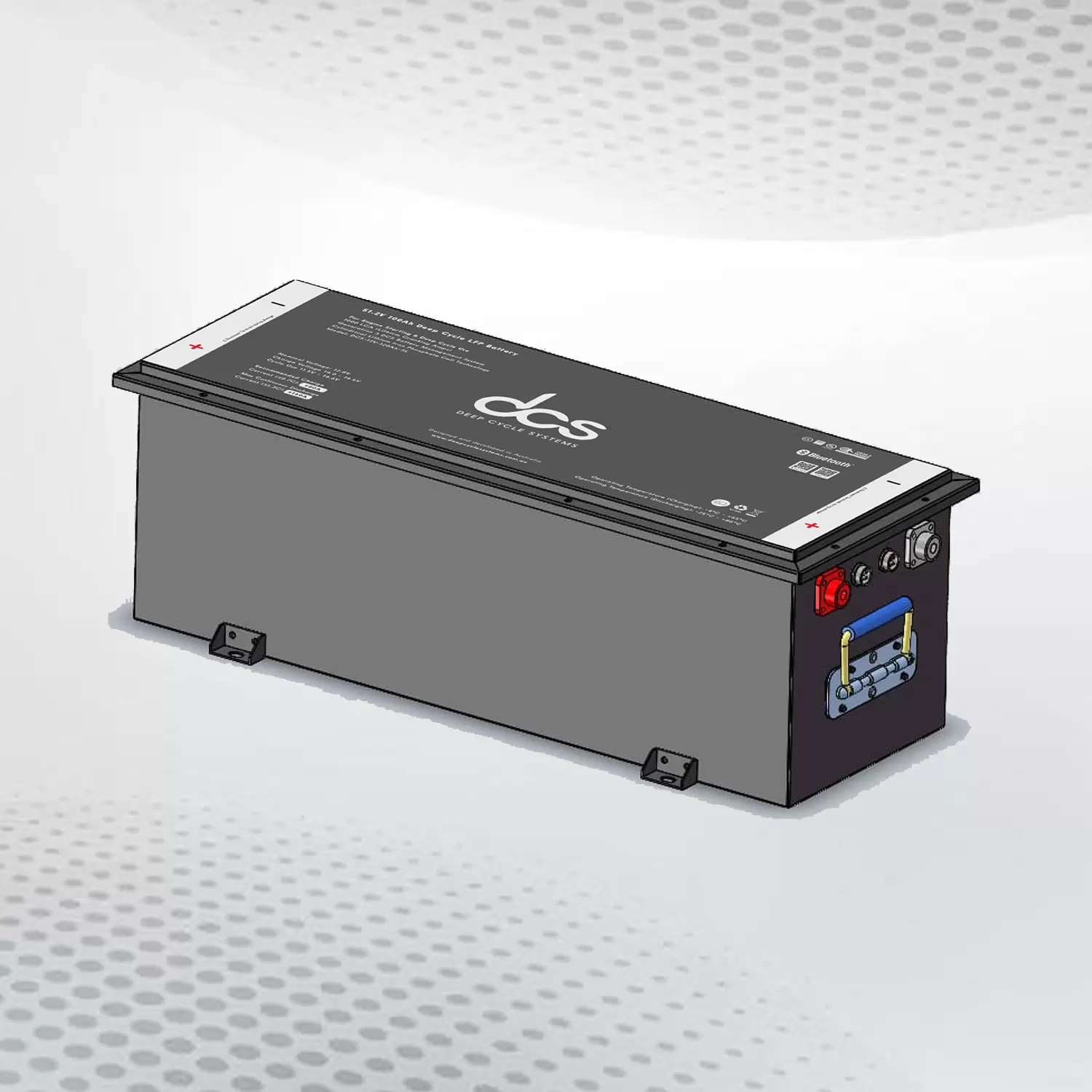
The growing need for sustainable energy solutions has increased interest in off-grid systems. At the heart of these systems are 48V batteries, with LiFePO4 and Li-Ion technologies taking centre stage. These batteries are known for their efficiency, long life, and robust safety features, making them excellent choices for those looking to break free from traditional power grids. This exploration delves into the essential aspects of 48V LiFePO4 and 48v Li Ion Battery, focusing on their economic viability, environmental impact, and integration with renewable energy sources. Understanding these key elements is crucial for optimising the performance and reliability of off-grid setups.
Merits of 48V LiFePO4 Batteries
The 48V LiFePO4 battery is distinguished by its extended lifespan and high cycle count, making it ideal for off-grid applications. Its stable chemical composition enhances safety, significantly reducing the risk of thermal runaway and fires. This inherent stability makes LiFePO4 a preferred option for environments prioritising safety.
Furthermore, the technology’s resistance to extreme temperatures ensures consistent performance across various climatic conditions, reinforcing its reliability. The minimal self-discharge rate of 48V LiFePO4 batteries ensures they maintain their charge over long periods, making them highly efficient for energy storage.
Advantages of 48V Li-Ion Batteries
48V Li-Ion batteries are renowned for their impressive energy density, providing ample power storage within a compact design. This compactness is particularly advantageous in off-grid systems where space can be a limiting factor. Their fast charging capabilities enable them to replenish energy reserves rapidly, which is crucial for maintaining a consistent power supply in systems reliant on intermittent energy sources like solar and wind.
Additionally, 48V Li-Ion batteries offer excellent discharge efficiency, ensuring maximum energy utilisation. This efficiency improves performance and energy conservation, making them a practical choice for various off-grid applications. Furthermore, the lighter weight of Li-Ion batteries facilitates easier installation and mobility compared to bulkier alternatives.
Efficiency of 48V Li-Ion Batteries in Off-Grid Setups
48V Li-Ion batteries are highly regarded for superior efficiency, particularly in off-grid setups. Their high discharge efficiency ensures that a more significant portion of the stored energy is converted into usable power, optimising energy use. This results in a more effective energy storage solution, making them ideal for off-grid systems that rely on stored power to operate.
Fast Charging Capabilities for Steady Power Supply
One of the standout features of 48V Li-Ion batteries is their fast charging capability, which is essential in off-grid systems. Off-grid setups often rely on intermittent renewable energy sources, such as solar or wind, which can be inconsistent. The fast charging feature allows these batteries to quickly recharge, ensuring a steady and reliable power supply, even in variable conditions. This makes them a reliable energy source in remote areas.
Space-Saving Design for Compact Installations
The compact design of 48V Li-Ion batteries plays a significant role in their popularity for off-grid applications. In many off-grid systems, space is limited, and the small footprint of these batteries ensures they fit comfortably within constrained areas. This space-saving feature makes 48V Li-Ion batteries an ideal choice for installations where every inch counts, such as in tiny homes, RVs, or remote cabins.
Lightweight Nature for Easy Installation and Handling
Another practical benefit of 48V Li-Ion batteries is their lightweight nature. Compared to traditional lead-acid batteries, 48V Li-Ion batteries are significantly lighter, making them easier to handle, transport, and install. This advantage simplifies the setup process, saving time and effort, and is particularly useful for off-grid setups where manual labour may be required.
Enhanced Energy Utilization and Operational Efficiency
These features—high discharge efficiency, fast charging, compact design, and lightweight construction—collectively enhance off-grid systems’ overall energy utilisation and operational efficiency. By ensuring that energy is stored and used effectively, 48V Li-Ion batteries contribute to off-grid power solutions’ long-term reliability and performance, providing users with a seamless and efficient experience.
Comparison between 48V LiFePO4 and Li-Ion Batteries
When comparing 48V LiFePO4 and Li-Ion batteries, the focus shifts to their distinct features and applications. LiFePO4 batteries are noted for their remarkable safety profile, owing to their stable chemical structure significantly minimises risks associated with overheating and fires. Additionally, their extended cycle life makes them particularly suitable for applications requiring long-term reliability.
Conversely, 48V Li-Ion batteries offer a higher energy density, which means they can store more energy within a smaller footprint. This is especially beneficial for scenarios where space is limited. Their rapid charging ability also stands out, providing quick energy replenishment. Both battery types offer unique advantages, making the choice dependent on specific requirements such as space, safety, and energy demands.
Economic Viability of 48v LFP Battery
48v LFP Battery offers a compelling economic case for off-grid systems due to their long-term cost-effectiveness. Despite a higher initial expenditure, these batteries’ extended lifespan and minimal maintenance needs contribute to significant savings over time. Their durability means fewer replacements, lowering overall ownership costs. The stable chemical composition also reduces the likelihood of thermal incidents, potentially decreasing insurance premiums and related expenses.
The minimal self-discharge rate also contributes to their economic efficiency, ensuring that stored energy is available when needed without significant loss. As a result, 48V LiFePO4 batteries present a robust financial investment for those seeking reliable, long-term energy solutions.
Economic Viability of 48V Li-Ion Batteries
The economic viability of 48V Li-Ion batteries stems from their cost-effective energy solutions over the long term. Their rapid charging capabilities reduce downtime, ensuring consistent power availability, which can be crucial for off-grid systems dependent on intermittent renewable sources. Additionally, their high energy density means fewer batteries are required to achieve the desired energy storage, reducing initial setup costs and space requirements.
Maintenance expenses are also lower due to the technology’s robust performance and reliability. Although initial costs may be higher than some alternatives, the overall operational efficiency, space, and maintenance savings make 48V Li-Ion batteries a financially sound investment.
Environmental Impact of Utilising 48V LiFePO4 Batteries
Utilising 48V LiFePO4 batteries has notable environmental benefits, primarily due to their composition and longevity. These batteries are made from non-toxic materials, significantly reducing environmental pollution and hazards compared to other battery technologies.
Additionally, their extended lifespan means fewer batteries must be manufactured and disposed of over time, reducing resource consumption and waste generation. This longevity also diminishes the frequency of replacements, further lessening the environmental footprint associated with manufacturing processes. Furthermore, the minimal self-discharge rate of LiFePO4 batteries ensures that energy is conserved efficiently, contributing to more sustainable energy management practices in off-grid systems.
Integration with Sustainable Energy Sources
Integrating 48V LiFePO4 batteries with sustainable energy sources, such as solar and wind, offers several distinct advantages due to their robust performance under diverse charging and discharging conditions. These batteries efficiently handle the intermittent nature of renewable energy, ensuring a stable power supply.
Their consistent performance, even in fluctuating temperatures, enhances their compatibility with renewable sources. Similarly, 48V Li-Ion batteries, with their high energy density and rapid charging capabilities, are well-suited for renewable energy applications. However, temperature management and lifespan considerations must be considered to optimise their performance in these setups.
Considerations for Installation
Proper installation of 48V LiFePO4 batteries involves several key considerations to ensure optimal performance and safety. Ensuring adequate ventilation is crucial to prevent overheating and maintain battery efficiency. It’s also vital to employ charge controllers and inverters compatible with the battery type to avoid any potential mismatches that could hinder performance. Temperature control measures, such as thermal insulation or cooling systems, can further enhance the battery’s lifespan and reliability.
For 48V Li-Ion batteries, adequate space for heat dissipation is essential to manage the heat generated during charging and discharging cycles. Protective measures against overcharging, such as integrating battery management systems (BMS), can prevent potential damage and prolong battery life.
Ensuring the installation site is free from excessive vibrations and shocks can protect the batteries from physical damage. In both cases, appropriate electrical wiring and connections must be used to handle the high voltages and currents, ensuring safe and efficient operation. Proper planning and execution during installation are key to maximising the benefits of these advanced battery technologies in off-grid systems.
Tips for Optimising Performance of 48v LiFePO Battery
Ensuring optimal performance of 48V LiFePO4 batteries involves regular monitoring of the charge levels and temperature. Maintaining the battery within its recommended operating temperature range is crucial to prevent thermal degradation. Battery management systems (BMS) can help manage charging cycles and avoid overcharging, extending the battery’s lifespan.
For 48V Li-Ion batteries, periodic balancing of the cells is essential to ensure uniform charge distribution, thereby enhancing overall efficiency. Employing quality inverters and charge controllers that match the specific requirements of 48v LiFePO Battery can further optimise performance.
Additionally, implementing protective measures against physical damage, such as using appropriate enclosures, can safeguard the batteries from environmental factors. Regular inspection and maintenance of connections and wiring can prevent energy losses and potential safety issues.
Both battery types benefit from avoiding complete discharges, as this practice can significantly reduce their lifespan. Adhering to these optimisation strategies, 48V batteries can operate more reliably and efficiently in off-grid systems.
Future Trends and Developments
Future trends in 48V LiFePO4 and Li-Ion batteries indicate a move towards higher energy densities and improved safety protocols. Researchers are exploring new materials and chemistries that promise to enhance the performance of 48V LiFePO4 batteries, making them more efficient and safer for prolonged use in off-grid systems. Similarly, advancements in solid-state technology are expected to benefit 48V Li-Ion batteries, potentially increasing their lifespan and energy storage capacity while reducing the risk of overheating.
Developing smart battery management systems (BMS) will also play a significant role in future battery technologies. These systems will offer more precise monitoring and control, optimising the charging and discharging cycles, thus extending battery life and improving overall efficiency. Integrating IoT (Internet of Things) technologies into battery systems is another emerging trend. It enables real-time monitoring and predictive maintenance, which can preemptively address potential issues before they lead to system failures.
Another significant trend is the push towards more environmentally friendly production methods and recycling processes for both types of batteries. Innovations in recycling technologies aim to recover more materials from used batteries, reducing environmental impact and promoting a circular economy.
As these advancements come to fruition, 48V LiFePO4 and Li-Ion batteries are expected to become even more integral to off-grid energy solutions, providing reliable, efficient, and sustainable power storage.
Conclusion
48V LiFePO4 and 48v Li Ion Battery represents transformative advancements in off-grid energy systems, offering unparalleled efficiency, reliability, and sustainability. While LiFePO4 excels in safety and longevity, Li-Ion stands out for its energy density and fast charging capabilities. Their compatibility with renewable energy sources and reduced environmental impact make them ideal choices for modern energy needs. As innovations continue to enhance their performance and affordability, these batteries will undoubtedly play a pivotal role in shaping the future of sustainable, off-grid living.
Frequently Asked Questions
What are the key differences between LiFePO4 and 48v Li Ion Battery?
48v Li Ion Battery prioritizes safety and longevity, with a stable chemical composition that reduces fire risks and a long cycle life. Li-Ion batteries, on the other hand, offer higher energy density, faster charging, and a compact design, making them ideal for space-constrained installations.
Are 48V LiFePO4 and Li-Ion batteries suitable for solar power systems?
Yes, both batteries are highly compatible with solar systems. LiFePO4 batteries handle intermittent energy sources well due to their stability, while Li-Ion batteries’ fast charging and energy density ensure efficient energy storage.
How does 48v LiFePO Battery impact the environment?
48v LiFePO Battery is made from non-toxic materials and have a long lifespan, reducing waste. Li-Ion batteries, while less environmentally benign, are increasingly benefiting from recycling initiatives that recover valuable materials.
What maintenance is required for 48v LFP Battery?
Both types of 48v LFP Battery benefit from periodic inspections, ensuring proper connections, and avoiding complete discharges. A Battery Management System (BMS) is essential for monitoring charge levels and preventing overcharging.
What are the installation considerations for these batteries?
For LiFePO4, ensure adequate ventilation and temperature control. Li-Ion installations require proper heat dissipation and protection against overcharging. Both types demand quality wiring and compatible charge controllers for optimal safety and performance.
| Related Business Listings |
| Contact Directory |
| Local Business Profiles |