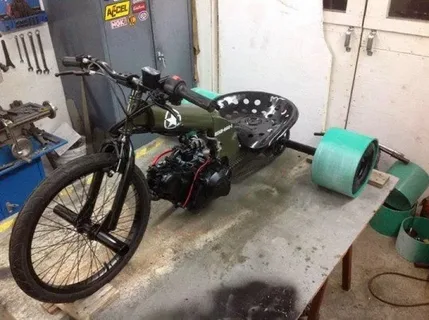
The drift trike frame has garnered notable interest among those passionate about non-motorized sports. Its distinct design and functionality provide a unique and thrilling experience that merges the classic elements of cycling with the excitement of drifting. As the foundation of the drift trike, the frame plays a pivotal role in the ride’s performance, stability, and safety. Various factors, including material quality, weight distribution, and customization potential, contribute to the overall effectiveness of the frame. Understanding these key aspects is essential for anyone looking to delve into the world of drift triking, as the right frame can significantly enhance the overall riding experience.
Durability and Robustness
Durability and robustness are critical factors when evaluating a trike frame. Material selection plays a significant role, with steel and aluminium being popular choices due to their strength and resistance to wear. The construction techniques employed also impact the frame’s ability to endure the rigours of drifting. Reinforced welding and quality craftsmanship ensure that the frame remains intact under stress. Testing methods such as load testing and impact resistance tests gauge the frame’s capacity to withstand rough handling. Furthermore, features like gussets and crossbars enhance the overall structural integrity. Investing in a durable frame ensures longevity and contributes to a safer and more enjoyable drifting experience.
Weight Allocation
Weight allocation significantly influences the drift trike’s handling and performance. Achieving a balanced weight distribution is paramount in designing a trike frame. This balance ensures the trike remains stable and responsive, especially during high-speed drifts and tight manoeuvres. Frames are often intended to position the rider’s weight optimally, usually towards the rear, to facilitate easier control and enhanced drifting capabilities. The material and construction techniques can also affect the frame’s overall weight, further impacting the trike’s balance. Proper weight allocation helps prevent tipping and allows smoother transitions during drifts, making it an essential consideration for manufacturers and enthusiasts.
Options for Frame Drift Trike Customisation
Customization options for frame drift trike allow enthusiasts to tailor their rides to personal preferences, enhancing functionality and aesthetics. Common modifications include unique paint schemes and decals, which provide a distinct look. Additionally, upgrading components such as grips, seats, and wheels can significantly alter the riding experience. Some riders opt for specialized grips that offer better control, while others prefer seats with additional padding for comfort during extended rides. Wheels can be swapped out for versions that provide improved traction or are designed for specific terrain types. Adjustable frame features like moveable footpegs offer customization opportunities, allowing for a more personalized fit and riding style.
Size and Fit of the Frame
Choosing a drift trike frame’s correct size and fit significantly influences comfort and control during rides. The frame must accommodate the rider’s height and body structure to ensure a proper seating position. A well-fitted frame allows for better manoeuvrability, aiding the rider in executing smooth and precise drifts. When selecting a frame, attention should be paid to measurements such as seat height, length of the top tube, and overall frame dimensions. Riders should refer to sizing charts provided by manufacturers and, when possible, test different frame sizes to find the most suitable option. Adjustability features like seat positions and footpegs can enhance the fit, offering a tailored riding experience. Proper fit contributes to a comfortable ride and improves safety, allowing the rider to maintain better control over the trike during various manoeuvres.
Safety Characteristics of Drift Trike Frames
Reinforced Joints and High-Quality Materials
To ensure a secure riding experience, trike frames are often constructed with:
- Reinforced Joints: Strong connections that can withstand significant stress and impacts.
- High-Quality Materials: Durable materials that enhance the overall strength and longevity of the frame.
Low Centre of Gravity
A low centre of gravity in the frame design enhances stability by:
- Reducing Tipping Risk: Minimizing the likelihood of tipping during sharp turns and high-speed drifts.
Padded Seats and Secure Footrests
Padded seats and secure footrests contribute to rider safety by:
- Providing Better Support: Ensuring comfort and reducing fatigue during long rides.
- Enhancing Control: Allowing riders to maintain a stable and secure position.
Protective Elements
Some frames incorporate protective elements to prevent accidents, such as:
- Chain Guards: Shielding the chain to protect riders from potential injuries.
Rigorous Testing
It’s essential for frames to undergo rigorous testing to ensure:
- Durability: The ability to handle the demands of intense drifting activities.
- Performance Standards: Meeting high standards for safety and reliability.
Proper Weight Distribution and Balanced Design
Proper weight distribution and balanced design further contribute to overall safety by:
- Maintaining Control: Allowing riders to handle the trike effectively, even in challenging conditions.
- Enhancing Stability: Ensuring the trike remains stable and predictable during various maneuvers.
Assembly and Upkeep
Proper assembly and regular upkeep of a trike frame are paramount for its durability and performance. Initial assembly should be approached carefully, adhering to the manufacturer’s guidelines to avoid missteps affecting the trike’s stability or safety. Key areas to focus on include securing the bolts and ensuring all joints are properly aligned.
Routine inspections are vital for upkeep. Checking for any signs of wear or loosening parts can prevent potential issues before they become serious. Lubricating moving components, such as the steering mechanism and wheel axles, helps maintain smooth operation. The frame’s condition should also be monitored, paying close attention to any cracks or deformities that could compromise its integrity.
Cleaning the frame regularly removes dirt and grime that can accumulate and cause damage over time. Using appropriate cleaning agents and methods ensures the frame remains in good condition without causing undue wear. Additionally, storing the drift trike in a dry, sheltered location is essential to protect it from the elements, which can lead to rust and deterioration. By following these assembly and maintenance practices, the trike frame will continue to provide a safe and enjoyable ride.
Considerations of Cost
Several factors contribute to the overall cost of a trike frame. The materials used in construction, such as steel or aluminium, play a significant role, with higher-grade materials often commanding a higher price. The design and manufacturing process can also influence cost, with more complex and labour-intensive methods adding to the expense. Features such as reinforced welding, customization options, and built-in safety characteristics can increase the frame’s price.
Another aspect to consider is the frame’s compatibility with various components and accessories. Frames that offer a wide range of compatibility with aftermarket parts might be priced higher due to their versatility. It’s also worth noting that frames designed by experienced engineers or those that have undergone extensive testing for performance and safety tend to be more expensive.
Transport and import fees can add to the overall cost, especially for frames sourced from international manufacturers. Prospective buyers should also consider the potential long-term savings offered by a higher-quality frame, which may require less frequent repairs or replacements than cheaper alternatives. Evaluating the balance between upfront cost and long-term value is crucial in making an informed decision.
Future Developments in Drift Trike Frames
Emerging trends in trike frame development are set to revolutionize the sport. Utilizing advanced materials like carbon fibre promises to yield frames that are not only lighter but also exceptionally strong, enhancing performance without compromising durability. Integrating aerodynamics into frame design is another exciting prospect, potentially offering increased stability and speed during drifts. Additionally, there is growing interest in modular frame systems, allowing riders to customize their trikes more extensively and replace specific sections without needing a complete overhaul.
Technological advancements also pave the way for bright drift trike frames with sensors and connectivity features. These innovations could provide real-time data on performance metrics such as speed, angle of drift, and stress on the frame, offering valuable insights for recreational riders and competitive drifters. Environmental considerations increasingly influence design choices, prioritizing more sustainable manufacturing processes and recyclable materials. As these developments continue, they will likely make drift triking more accessible and enjoyable for a broader range of enthusiasts.
Conclusion
The drift trike frame is fundamental to the overall quality and experience of drift triking. Its design and construction greatly impact the trike’s stability, safety, and customization potential. Using durable materials such as steel and aluminium ensures that the frame can withstand the stresses of drifting while providing longevity. Proper weight allocation within the frame design aids in achieving a balanced ride, which is crucial for executing precise manoeuvres. Cost considerations also play a part in frame selection, with higher-quality materials and advanced design features often leading to higher prices. However, investing in a well-constructed frame can offer long-term benefits, reducing the need for frequent repairs and replacements.
FAQs
What is a drift trike frame?
A drift trike frame is the main structure of a drift trike. It is typically made of steel or aluminium and designed to support the rider and components like the engine and wheels.
Where can I buy a trike frame?
You can buy drift trike frames from specialized retailers and online marketplaces.
What materials are drift trike frames made of?
Drift trike frames are usually steel or aluminium for durability and strength.
Can I build a trike frame myself?
Yes, you can build a drift frame if you have the necessary tools and skills or purchase a pre-built frame and customize it.
What should I consider when choosing a trike frame?
Consider factors like frame material, size and fit, compatibility with other components, and build quality.
| Related Business Listings |
| Contact Directory |
| Local Business Profiles |