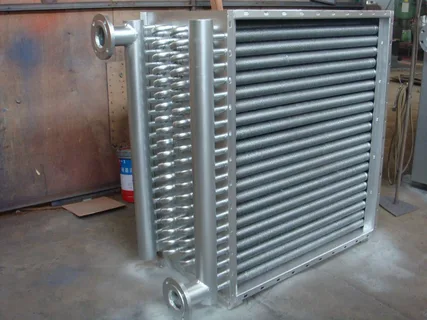
A Residential Air to Air Heat Exchanger is essential to contemporary household infrastructure, providing energy efficiency and enhanced indoor air quality. This system operates by exchanging heat between indoor and outdoor environments, leading to reduced energy consumption while maintaining a comfortable living atmosphere. The mechanism ensures fresh air enters the home while stale air is expelled, retaining heat to maximise energy savings. Proper maintenance of this equipment is crucial for its longevity and optimal performance. Consistent upkeep prevents costly repairs and ensures the system operates at peak efficiency, contributing to a healthier and more comfortable living environment.
Conduct Regular Inspections of the Air to Air Heat Exchanger Unit
Regular air-to-air heat exchanger unit inspections are fundamental to maintaining its efficiency and longevity. Such inspections should identify any signs of wear or potential damage to components like fans, motors, and ductwork. Ensuring these elements are in good condition helps prevent unexpected breakdowns and costly repairs. Particular attention should be given to checking for unusual noises or vibrations, which may indicate underlying issues.
Additionally, examining the seals and connections within the unit can help detect any leaks or air loss that could impact performance. Through thorough and consistent inspections, the overall functionality of the heat exchanger unit can be preserved.
Clean the Residential Energy Recovery Ventilator
Cleaning the Residential Energy Recovery Ventilator is essential for maintaining high air quality within the home. Dust and debris can accumulate in the system, obstructing airflow and diminishing efficiency. Regularly removing these particulates ensures the ventilator can function effectively. Additionally, filters should be cleaned or replaced periodically, as the manufacturer recommends, to keep the system operating smoothly. Care should be taken to clean all accessible ventilator components, including the heat exchange core and any associated ductwork.
By following a regular cleaning schedule, the accumulation of contaminants that could impede the performance of the ventilator is minimised. It is advisable to use appropriate tools and cleaning agents specified by the manufacturer to avoid damaging the unit. Regular maintenance extends the ventilator’s life and contributes to a healthier and more comfortable indoor environment.
Examine Filters in the Residential Heat Recovery Ventilator
Examining the filters is paramount to ensuring uninterrupted operation and maintaining air quality while keeping a domestic energy recovery ventilator. Filters within the system serve the critical function of capturing dust, pollen, and other airborne particles. Over time, these filters can become clogged, significantly reducing the efficiency of the ventilator.
During routine maintenance, filters should be carefully removed and inspected for any dirt accumulation or damage signs. If the filters appear excessively dirty or worn, they should be replaced according to the manufacturer’s guidelines. Paying attention to dirty or damaged filters can lead to decreased airflow, higher energy consumption, and improved ventilator performance.
Furthermore, ensuring clean filters supports the household’s overall health by preventing contaminants from circulating. Utilising filters that meet the recommended specifications of the unit helps maintain optimal function. Regularly scheduled inspections of the filters can prevent minor issues from escalating into more significant problems, thus preserving the longevity and efficiency of the Residential Heat Recovery Ventilator.
Assess the Fresh-Air Heat Recovery Unit’s Performance
Assessing the performance of the fresh air-heat recovery unit is essential to maintaining the system’s efficiency. This involves effectively monitoring its ability to transfer heat between incoming and outgoing air streams. Any noticeable decline in performance could signal potential issues that need addressing. Key indicators of performance issues may include unusual noises, reduced airflow, or inconsistent indoor temperatures. It is also important to ensure the heat exchange core is clean and free from obstructions, as this can significantly impact performance.
Additionally, checking for any signs of wear or damage to the unit’s components can help identify problems early. If performance issues persist, seeking assistance from a professional technician is recommended to diagnose and resolve any underlying problems, ensuring the unit operates at its best. Regular performance assessments contribute to the overall effectiveness and longevity of the heat recovery system, providing a comfortable and energy-efficient living environment.
Verify Adequate Ventilation and Airflow
Ensuring adequate ventilation and airflow within the system is integral to the effective operation of a residential air-to-air heat exchanger. Periodically inspecting all vents and ducts to confirm they are free from blockages or obstructions is essential. This includes checking for debris, dust build-up, or foreign objects that could impede airflow. Additionally, maintaining a balance between the intake and exhaust airflow is crucial for the system’s efficiency. Any imbalance can cause undue stress on the unit, leading to potential malfunctions or decreased performance.
A thorough ductwork examination for leaks or damage is also necessary. Leaks can result in significant energy losses and reduced system efficiency. Repairing any identified issues promptly ensures that the heat exchanger can operate at its optimal capacity. Moreover, monitoring the airflow rate regularly is beneficial, ensuring it aligns with the manufacturer’s specifications. If any irregularities in airflow are observed, they should be investigated and rectified without delay.
Finally, regular maintenance should ensure that any adjustable components related to airflow, such as dampers, are correctly set and functioning as intended. Proper airflow management is pivotal in maintaining a comfortable and energy-efficient home environment.
Keep an Eye on Humidity Levels in the Domestic Environment
Monitoring humidity levels within the home is crucial to maintaining an optimal living environment. Excess moisture can lead to condensation, which can cause mould growth and damage building materials. The residential air-to-air heat exchanger should be set to manage humidity effectively, ensuring a balanced indoor climate. Using a hygrometer to measure humidity levels regularly can help identify any imbalances that need addressing. High humidity levels may indicate that the system’s dehumidification capabilities require adjustment.
Also, proper ventilation settings can aid in controlling moisture levels, preventing potential health issues and preserving the home’s integrity. Checking and maintaining the appropriate humidity settings on the heat exchanger can help mitigate these risks. Regular maintenance and adjusting the system to suit seasonal changes can also enhance its performance in managing indoor humidity. This ongoing attention to humidity levels supports a healthier and more comfortable domestic environment, contributing to the overall efficiency and longevity of the residential air-to-air heat exchanger.
Inspect Electrical Connections and Components of Heat Exchanger Air To Air
Inspecting electrical connections and components within the Heat Exchanger Air To Air is a fundamental part of regular maintenance. Over time, electrical connections can become loose or corroded, which may lead to inefficiencies or safety hazards. Ensuring all wiring is secure and intact helps prevent electrical faults that could disrupt the system’s operation.
Particular attention should be paid to connections at the control board, fan motors, and any sensors integrated into the system. It is advisable to look for any signs of wear, such as frayed wires or discoloured insulation, which might indicate overheating or other issues. Corroded connections can significantly impact the unit’s performance and should be cleaned or replaced as necessary.
Regularly testing the functionality of electrical components, including thermostats and control switches, ensures they are operating correctly. Any unusual electrical smells, sounds, or fluctuations in performance can signal a problem that needs immediate attention. If any electrical anomalies are detected, it is prudent to consult a qualified technician to address them safely and effectively.
By keeping the electrical components in good working order, the reliability and efficiency of the residential air-to-air heat exchanger are upheld, contributing to a safer and more comfortable living environment. Proper attention to the electrical aspects of the unit is crucial for its overall performance and longevity.
Arrange Professional Maintenance for the Fresh Air Heat Recovery Unit
Fresh Air Heat Recovery Unit offers significant benefits in terms of energy efficiency and indoor air quality. However, to ensure their optimal performance and longevity, regular maintenance is crucial.
Identifying and Addressing Issues
Professional technicians possess the knowledge and tools to identify potential issues within the HRV system. Through thorough inspections, they can detect problems such as leaks, blockages, or faulty components that may impact the system’s efficiency and effectiveness.
Ensuring Optimal Performance
Regular maintenance helps to optimize the performance of the HRV system. Technicians can calibrate the system to ensure it operates at peak efficiency, maximizing energy savings and minimizing operating costs.
Extending System Lifespan
By addressing minor issues before they escalate, professional maintenance can significantly extend the lifespan of the HRV system. Regular cleaning and lubrication of moving parts can prevent wear and tear, reducing the need for costly repairs or replacements.
Compliance with Warranty Requirements
Many manufacturers require regular professional maintenance to validate warranty claims. By adhering to the recommended maintenance schedule, homeowners can protect their investment and ensure that any warranty issues are covered.
Enhancing Indoor Air Quality
Proper maintenance helps to maintain optimal indoor air quality. Clean filters and well-functioning components ensure that the system effectively removes pollutants and allergens from the air, promoting a healthier living environment.
By prioritizing regular professional maintenance, homeowners can maximize the benefits of their HRV system, ensuring its long-term reliability and efficiency.
Conclusion
By adhering to these maintenance practices, you can significantly extend the life of your Residential Air to Air Heat Exchanger, guaranteeing optimal performance and energy efficiency. Regular inspections, cleaning, and professional maintenance are crucial for preserving a healthy and comfortable indoor environment. A well-maintained heat exchanger not only reduces energy consumption but also improves indoor air quality by effectively filtering out pollutants and allergens. By investing time and effort into proper maintenance, you can enjoy the benefits of a reliable and efficient heating and cooling system for years to come.
Frequently Asked Questions
How often should I change the filters in my air to air heat exchanger?
The frequency of filter replacement depends on factors such as indoor air quality, the number of occupants, and the type of filters used. Generally, it is recommended to change filters every 3-6 months. However, it is crucial to consult the manufacturer’s guidelines for specific recommendations.
What are the signs that my air to air heat exchanger needs professional maintenance?
Several signs may indicate that your air to air heat exchanger requires professional maintenance. These include unusual noises, reduced airflow, inconsistent temperatures, increased energy consumption, and a decline in indoor air quality. If you notice any of these issues, it is advisable to contact a qualified technician for a thorough inspection and necessary repairs.
Can I clean the heat exchange core myself?
While some components of the air to air heat exchanger can be cleaned by homeowners, cleaning the heat exchange core is typically best left to professionals. The core is a delicate component that requires specialized cleaning techniques to avoid damage. Professional technicians have the expertise and equipment to clean the core effectively, ensuring optimal performance.
How can I improve the energy efficiency of my air to air heat exchanger?
Several steps can be taken to improve the energy efficiency of your air to air heat exchanger. These include regular maintenance, proper filter replacement, sealing any air leaks in the ductwork, and ensuring the system is operating at the optimal temperature settings. Additionally, consider upgrading to a more energy-efficient model if your current unit is outdated.
| Related Business Listings |
| Contact Directory |
| Local Business Profiles |