Regular maintenance is key to keeping your vehicle in top shape. A multipoint inspection is one of the most effective ways to ensure your car is running smoothly. But what exactly is a multipoint inspection checklist, and why should it be a part of your vehicle’s routine care?
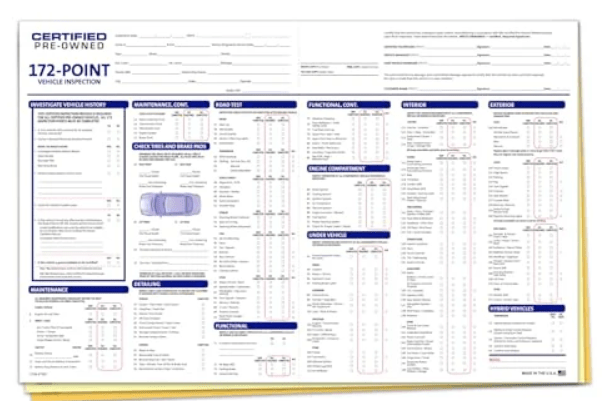
What is a Multipoint Inspection Checklist?
A multi point inspection checklist is a list used by automotive technicians to inspect multiple parts and systems of your vehicle. This checklist covers various items, from the engine and transmission to safety features like brakes and lights. Typically, a technician will review each item and either check it off as functioning properly or flag it for further inspection or repair.
By using this comprehensive checklist, the technician ensures that no critical system is overlooked, helping to prevent any surprise breakdowns or costly repairs in the future. It’s a thorough approach to keeping your vehicle running safely and efficiently.
Why is a Multipoint Inspection Checklist Important?
Having your vehicle inspected regularly using a multipoint checklist is essential for several reasons:
- Prevents Major Repairs: Regular inspections help identify minor problems before they become significant, costly repairs. A technician can spot issues like worn-out brake pads or leaking hoses that might not be obvious to the untrained eye.
- Increases Vehicle Longevity: Cars are an investment, and regular checkups can help prolong the life of your vehicle. Keeping things in good working order with a multipoint inspection checklist can help you get more miles out of your car.
- Improves Safety: Safety should always be a top priority for your vehicle. A multi-point inspection ensures that key safety features like brakes, tyres, and lights all function as they should. This is especially important for avoiding accidents on the road.
- Ensures Fuel Efficiency: When your vehicle is in good condition, it runs more efficiently, which means you can save money at the gas pump. A well-maintained engine and transmission can help optimize fuel economy.
What Does a Multipoint Inspection Checklist Include?
A multipoint inspection checklist covers a wide variety of areas on your car. Here are some of the most common items included in the checklist:
Engine Performance
One of the first things a technician will check is the engine’s performance. This includes ensuring that the engine oil level is correct, the air filter is clean, and the spark plugs are working correctly. Your vehicle’s performance can suffer if these components aren’t in good shape.
Brake System
The brake system is one of your car’s most important safety features. During a multipoint inspection, a technician will check the brake pads, rotors, and fluid levels. Worn brake pads can damage the rotors, leading to more expensive repairs.
Tyres
Tires are essential for keeping your vehicle safe and roadworthy. The technician will check tyre pressure and tread depth to ensure your tyres have enough grip and are correctly inflated. Properly inflated tyres also improve fuel efficiency.
Lights and Electrical System
Your car’s electrical system keeps everything running smoothly, from the lights to the air conditioning. A technician will inspect the battery, headlights, taillights, turn signals, and other key electrical components to ensure they’re functioning properly.
Cooling System
The cooling system, which includes the radiator and coolant levels, helps prevent the engine from overheating. A technician will check for leaks or any signs of wear in this system to avoid engine damage.
Suspension and Steering
The suspension system helps absorb road shocks and keeps your vehicle stable while driving. During a multipoint inspection, the technician will check for worn-out components, such as shocks and struts, and test the steering system for smooth operation.
Exhaust System
The exhaust system removes harmful gases from your engine and helps keep the environment clean. The technician will check the exhaust pipes, mufflers, and other components to ensure no leaks or blockages.
Belts and Hoses
Belts and hoses are crucial to the function of many of your car’s systems, including the air conditioning and power steering. A technician will inspect these parts for any signs of wear or damage that could cause issues down the road.
How Often Should You Use a Multipoint Inspection Checklist?
You should get a multipoint inspection at least once a year or every 12,000 miles, whichever comes first. However, if you notice any issues with your vehicle, like unusual noises, poor handling, or dashboard warning lights, it’s a good idea to have it inspected sooner.
Regular inspections are crucial if you drive in harsh conditions, like extreme temperatures, rough roads, or heavy traffic. If you’re unsure how often to get an inspection, consult your vehicle’s owner’s manual or ask a professional technician for guidance.
Benefits of Using a Multipoint Inspection Checklist
- Peace of Mind: Knowing that your car has been thoroughly checked gives you peace of mind that it’s safe and reliable.
- Cost Savings: By identifying minor issues before they become more significant problems, you could save money on expensive repairs.
- Increased Resale Value: A car that has been regularly maintained is more likely to hold its value when it comes time to sell or trade it in.
Conclusion
A multipoint inspection checklist is crucial for maintaining your vehicle’s health and safety. It helps prevent costly repairs, improves your car’s performance, and ensures that essential systems function correctly. Regularly using this checklist can keep your vehicle running smoothly for years. Schedule your next inspection soon and keep your car in tip-top shape!