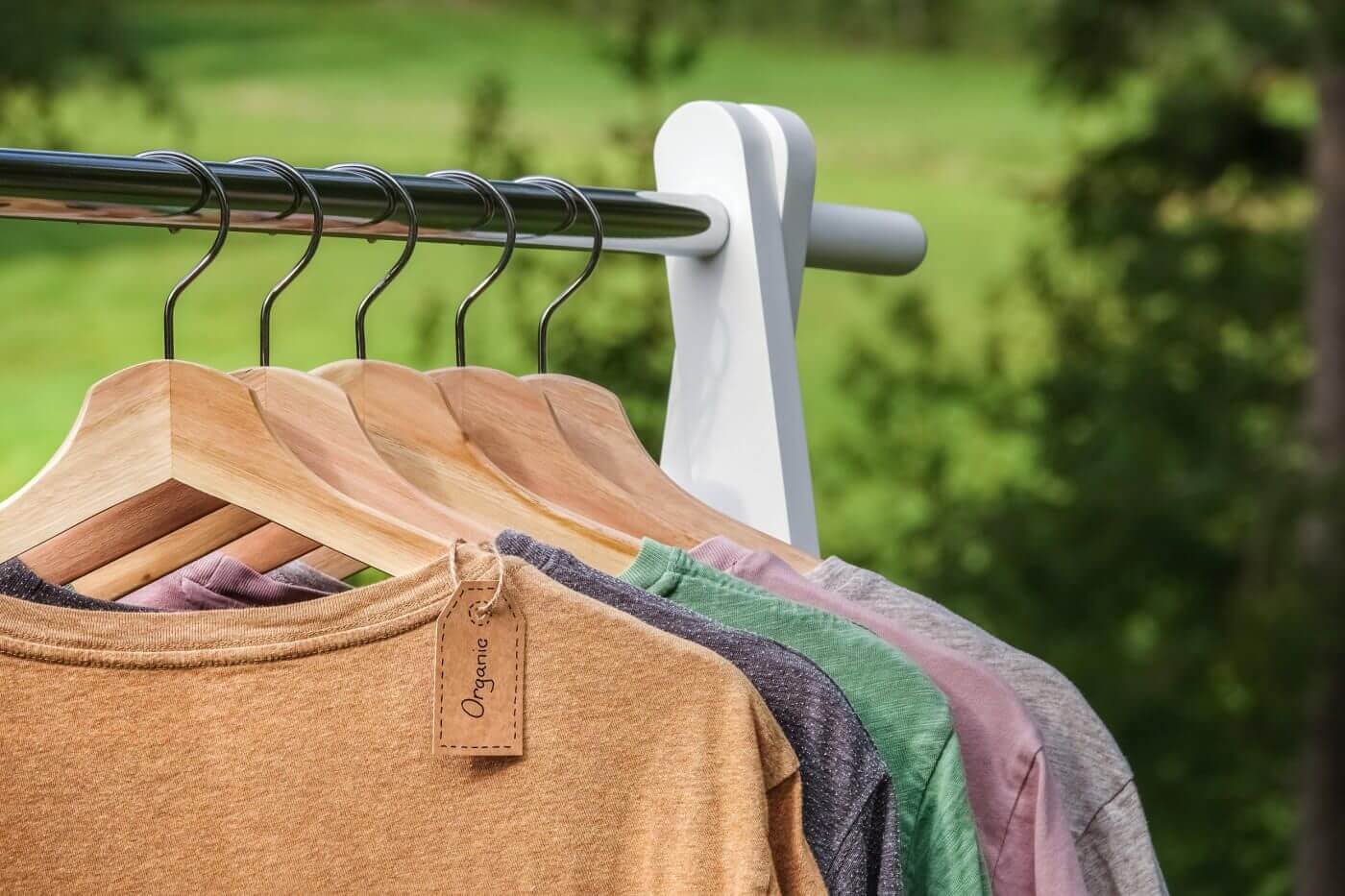
In today’s world, convenience often trumps sustainability, and this affects our choices, many of which can significantly impact the environment. While fashion trends come and go, the materials used to create those trends leave a lasting mark on the planet. As consumers become more mindful of their purchasing habits, options like organic hemp clothing have emerged as eco-friendly solutions that align style with sustainability. By making conscious decisions about what we wear, we can contribute to a healthier planet while enjoying the benefits of natural, sustainable fabrics.
The environmental impact of conventional fashion:
The global fashion industry is one of the largest polluters, responsible for significant water usage, carbon emissions, and waste. Materials like polyester and conventional cotton come with hidden costs that harm the environment:
- Synthetic fibers: Polyester and other synthetic fabrics are derived from fossil fuels, contributing to carbon emissions and plastic pollution. When washed, these materials release microplastics into waterways, threatening marine ecosystems.
- Conventional cotton: While a natural process, cotton farming is resource-intensive, consuming vast amounts of water and pesticides. This not only depletes water supplies but also impacts soil health and biodiversity.
Fast fashion exacerbates these problems by encouraging short-lived trends and disposable clothing. As landfills overflow with discarded garments, a shift toward sustainable materials becomes more necessary.
Why choose hemp clothing?
Hemp clothing offers a great alternative to conventional fabrics, combining environmental benefits with durability and comfort. Derived from the fast-growing hemp plant, this fabric has been used for centuries and is now making a comeback as consumers seek greener alternatives.
Below are some reasons why hemp clothing is an ideal, sustainable option:
- Low environmental impact: Hemp grows quickly with minimal water and no need for harmful pesticides or herbicides. Its cultivation regenerates soil and captures significant amounts of carbon dioxide, making it one of the most sustainable crops.
- Durability: Hemp is one of the strongest natural fibers, producing garments that can last a long time with the right care. By choosing hemp clothing, you reduce the need for frequent replacements, reducing waste.
- Comfort and breathability: Hemp fabric is naturally breathable and moisture-wicking, ensuring comfort in all climates. Over time, it softens with wear while retaining its strength.
By incorporating organic hemp clothing into your wardrobe, you can invest in pieces that align with your values and lifestyle.
The broader impact of sustainable hemp harvesting:
One of the defining features of hemp’s sustainability lies in its harvesting practices. Unlike conventional crops such as cotton or synthetic materials derived from petroleum, hemp requires significantly fewer resources to produce. Its cultivation process prioritizes environmental health, aligning perfectly with sustainable fashion goals.
For example, hemp’s deep root system helps aerate the soil and prevent erosion. This natural regeneration makes hemp farming a viable long-term solution for land recovery in over-farmed areas. Additionally, the crop’s ability to grow densely reduces the need for large farming areas, sparing land for other agricultural purposes or natural ecosystems. These practices starkly contrast to the heavy chemical and water demands of cotton farming or the destructive processes involved in petroleum extraction for synthetic fibers.
Comparison: hemp and other materials:
When comparing hemp to other commonly used materials, its environmental advantages become even more apparent:
- Cotton: One of the most commonly used materials in clothing, cotton requires an average of 2,700 liters of water to produce a single t-shirt. Hemp, by contrast, uses roughly half the amount of water for similar production. Additionally, cotton farming depends heavily on chemical pesticides and fertilizers, which can contaminate water supplies and harm biodiversity. Hemp thrives without such chemicals, naturally protecting surrounding ecosystems.
- Synthetic fabrics: Materials like polyester and nylon are derived from fossil fuels, contributing to greenhouse gas emissions during production. Moreover, these fabrics shed microplastics with every wash, polluting waterways and potentially endangering marine life. Hemp, being a biodegradable and natural fiber, avoids these environmental pitfalls entirely.
- Wool: While wool is a natural fiber, its production comes with high methane emissions from sheep, as well as land degradation from overgrazing. Hemp, on the other hand, is carbon-negative during its growth phase, actively reducing atmospheric carbon dioxide levels.
These comparisons highlight hemp’s potential to address some of the most pressing environmental challenges in textile production. Beyond its cultivation, advances in hemp processing are further enhancing its sustainability. Modern techniques have refined the traditionally labor-intensive process of turning hemp fibers into fabric. Mechanical decortication (separating the fiber from the stalk) and enzymatic treatments are now being used to streamline production while preserving the plant’s natural properties.