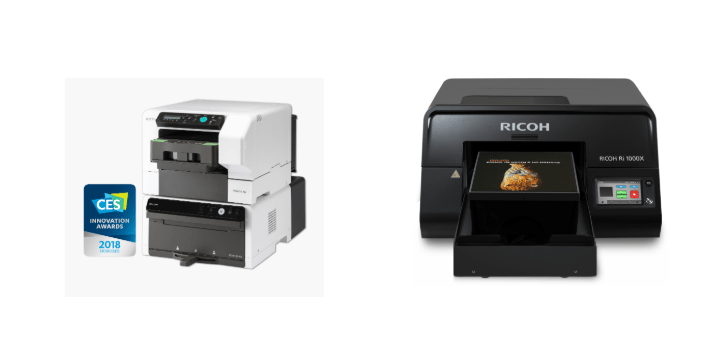
The printing press machine has played a pivotal role in shaping the modern communication and publishing industries. From its inception in the 15th century with Gutenberg’s movable type to today’s advanced digital presses, printing technology has continuously evolved to meet the demands of mass production, quality, and efficiency. This article explores the various types of printing press machines, their applications, and the benefits they offer.
What is a Printing Press Machine?
A printing press machine is a mechanical device used to transfer ink onto paper or other surfaces for producing printed materials. These machines can handle a wide range of printing tasks, including books, newspapers, advertisements, packaging, and more. Modern printing presses have become highly sophisticated, incorporating digital technology to enhance precision, speed, and versatility.
Types of Printing Press Machines
- Offset Printing Presses:
- Widely used for commercial printing, offset presses transfer ink from a metal plate to a rubber blanket, then to the printing surface.
- Ideal for high-volume printing such as magazines, books, brochures, and posters.
- Digital Printing Presses:
- Employ digital technologies to print directly from a computer file.
- Best suited for short-run printing, on-demand printing, and personalized content, offering flexibility and high-quality output.
- Flexographic Printing Presses:
- Utilized for printing on flexible materials like packaging, labels, and plastics.
- Uses a flexible relief plate to transfer ink to the surface, making it efficient for mass production.
- Screen Printing Presses:
- Ideal for printing on textiles, glass, and other non-porous surfaces.
- Uses a mesh screen to apply ink layer by layer, making it suitable for custom designs and bulk orders.
- Letterpress Printing Presses:
- An older form of printing using raised, hand-carved letters to press ink into the paper.
- Still used for producing high-end invitations, business cards, and limited-edition prints.
Applications of Printing Press Machines
- Publishing Industry: Printing presses are critical for producing books, newspapers, and periodicals, providing mass communication across various demographics.
- Packaging and Labeling: Used extensively in creating product packaging, labels, and promotional materials for consumer goods and industrial products.
- Advertising and Marketing: Plays a significant role in creating promotional materials like brochures, posters, banners, and direct mail.
- Personal and Custom Printing: Enables personalized printing for invitations, certificates, and limited edition artworks.
Benefits of Printing Press Machines
- Efficiency and Speed: Modern printing presses can handle large quantities of prints quickly while maintaining high quality.
- Consistency: Offers uniform and consistent print results, reducing errors and increasing production reliability.
- Cost-Effective for Large Volumes: Offset and flexographic presses are ideal for bulk production, providing cost advantages over time.
- Customization: Digital presses allow for customization, variable data printing, and short-run jobs tailored to specific needs.
- Versatility: Can handle a variety of materials, including paper, cardboard, fabric, metal, and other surfaces.
Choosing the Right Printing Press Machine
When selecting a printing press machine, consider the following factors:
- Volume and Scale: Choose between offset, digital, or flexographic presses depending on the volume and type of materials.
- Quality and Precision: For high-quality and precise prints, consider digital presses or letterpress for specialized tasks.
- Budget: Evaluate upfront costs, maintenance, and operational expenses to ensure the best return on investment.
- Material Compatibility: Ensure the chosen press can handle the materials required for your specific printing needs.
In conclusion, printing press machines continue to be a cornerstone of the printing industry, evolving with advancements in technology to meet diverse printing demands. Whether for large-scale production or personalized prints, modern printing presses deliver efficiency, precision, and versatility in a wide range of applications.