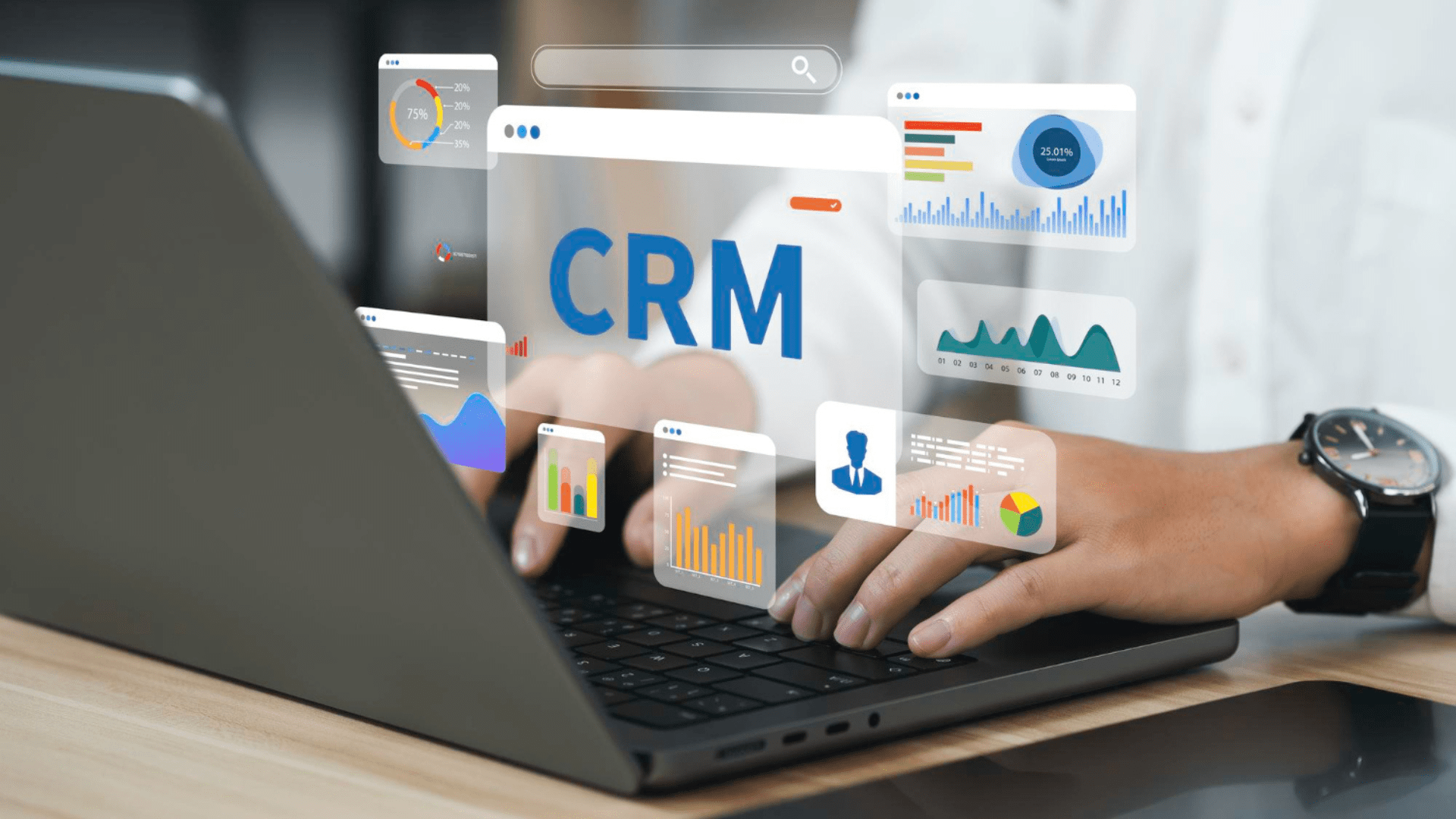
Having a custom CRM solution tailored to your company’s specific needs is essential. A well-designed Customer Relationship Management (CRM) system not only streamlines workflows but also enhances customer satisfaction and boosts overall productivity.
A well-thought-out CRM system isn’t just about managing customer interactions; it’s about creating a tool that empowers teams to understand their clients better, optimize processes, and make data-driven decisions.
Let’s explore the five key features every custom CRM solution should have to meet modern business demands and enable businesses to thrive in a technology-driven environment.
1. Centralized Customer Data Management in a Custom CRM Solution
The Importance of Centralized Data
At the heart of any CRM system lies its ability to serve as a centralized hub for customer data. It consolidates customer information, including contact details, purchase history, communication records, and preferences, in one secure location. This feature ensures that every interaction with your customers is informed and personalized, a vital component in building trust and loyalty.
Benefits for Your Business
- Improved data accuracy: Eliminates duplicate or outdated information.
- Enhanced collaboration: Sales, marketing, and support teams can access and update customer data seamlessly.
- Streamlined decision-making: Teams can analyze trends and make informed choices based on accurate data.
How Developers Help
Creating a system that securely handles vast amounts of sensitive information requires expertise. By collaborating with a CRM software development company, businesses can ensure their systems are not only efficient but also comply with data protection regulations like GDPR or CCPA.
2. Sales Pipeline and Opportunity Tracking
Visualizing Sales Progress
Sales teams need clear visibility into their pipeline to prioritize leads, manage opportunities, and predict revenue. A CRM system with a robust sales pipeline feature offers a visual representation of the entire sales process.
Key Functionalities
- Stage tracking: Understand where each lead or deal stands in the pipeline.
- Automated reminders: Get alerts for follow-ups, deadlines, or stagnant leads.
- Customizable workflows: Adapt the sales pipeline to fit your unique sales cycle.
Why It Matters
Having real-time insights into the sales pipeline helps businesses focus on high-priority leads, reducing the time spent on deals that are unlikely to convert. With help from an app development company, businesses can customize these pipelines to meet their unique sales strategies.
Additional Benefits
- Forecasting accuracy: Predict future revenue based on the current pipeline.
- Resource allocation: Allocate team resources effectively based on deal stages.
- Faster conversions: Ensure quicker closures by addressing bottlenecks promptly.
3. Automation of Routine Tasks
Simplifying Workflows
Routine tasks such as data entry, email scheduling, and lead nurturing can consume a significant amount of time. Automation in CRM systems eliminates manual intervention, allowing teams to focus on strategic activities.
Automation Examples
- Email campaigns: Automatically send personalized emails based on customer behavior.
- Lead scoring: Automatically rank leads based on predefined criteria to prioritize the most promising prospects.
- Customer follow-ups: Schedule reminders for reaching out to clients or prospects at the right time.
Business Advantages
- Enhanced productivity: Automation frees up employee time for strategic initiatives.
- Consistency: Ensure uniform communication and follow-ups with customers.
- Reduced errors: Eliminate the risk of human errors in repetitive tasks.
Partnering with Developers
Expert developers from a CRM software development company can design automation workflows tailored to your specific needs, ensuring seamless integration with your existing processes.
Bonus Blog: Why Choose a USA-Based App Development Company for Your Next Project
4. Advanced Analytics and Reporting
The Role of Data Insights
A CRM system is more than just a database; it’s a tool for generating actionable insights. Advanced analytics and reporting functionalities provide businesses with the data needed to make informed decisions.
Key Features to Include
- Real-time dashboards: Visualize critical metrics like lead conversion rates, customer retention, and sales performance.
- Customizable reports: Generate reports specific to your team’s needs, whether it’s for sales, marketing, or customer service.
- Predictive analytics: Use AI-driven insights to forecast trends, anticipate customer needs, and identify growth opportunities.
Making Data Work for You
Accurate and accessible analytics empower businesses to adapt quickly to market changes. A partnership with a reliable software development services provider ensures your CRM includes user-friendly dashboards and advanced analytics that deliver maximum value.
Long-Term Benefits
- Better decision-making: Use real-time data to make agile decisions.
- Enhanced strategy: Identify areas of improvement across departments.
- Customer satisfaction: Predict and address customer needs more effectively.
5. Integration with Third-Party Tools
A Unified Ecosystem
No CRM operates in isolation. Integrating it with third-party tools such as marketing automation platforms, accounting software, and social media tools creates a unified ecosystem that drives efficiency.
Examples of Essential Integrations
- Email platforms: Sync with Gmail or Outlook for seamless communication.
- Social media tools: Monitor and respond to customer interactions on platforms like Twitter or LinkedIn.
- Accounting systems: Integrate with QuickBooks or Xero for easier financial management.
The Developer’s Role
A professional app development company in Los Angeles can help businesses integrate these tools seamlessly, ensuring data flows smoothly across all platforms and reduces redundancies.
Added Advantages
- Time-saving: Automate tasks across multiple platforms.
- Consistency: Maintain uniform data across all tools.
- Flexibility: Easily adapt to new tools as business needs evolve.
Conclusion
Investing in a custom CRM solution is no longer optional—it’s a necessity for businesses aiming to thrive in a customer-centric world. By including essential features like centralized data management, sales pipeline tracking, task automation, advanced analytics, and third-party integrations, businesses can unlock their full potential.