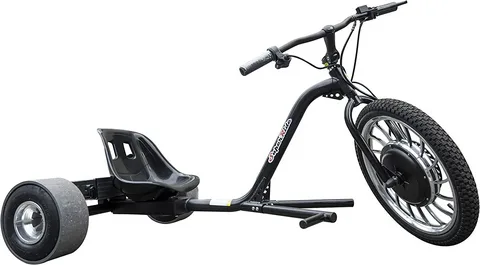
If you love the adrenaline rush of speed and the challenge of mastering new driving techniques, then drifting a tricycle is an activity you should try out. Drifting may seem foreign to some, but it’s a well-known and highly respected skill for those in the racing community. While most people think of cars when they hear “drifting,” tricycles offer a unique and exciting twist on this popular racing technique. So buckle up and get ready to learn all about the thrills and techniques of drifting tricycle!
What Is Drifting, and How Did It Begin?
Drifting is an exhilarating driving technique that involves maneuvering a vehicle through corners while intentionally oversteering. The result? A spectacular slide that leaves onlookers in awe. This thrilling art form has roots deep in motorsport history. It all began in Japan in the late 1970s and early 1980s, particularly street racing. Drivers would push their cars to the limit, learning to control slides for speed and style. This skill became an essential part of racing culture.
As drifting gained popularity, it became a sport with dedicated competitions worldwide. Today, professional drift events showcase breathtaking performances and precision driving techniques. While traditionally associated with cars, drifting has found its way onto tricycles—a playful twist on this adrenaline-fueled pastime that invites riders of all ages to join in the fun.
The Evolution of Drifting on Tricycles
Drifting on tricycles began as an unconventional twist to traditional riding. Initially, it was a playful pursuit among children who sought thrills in their backyards and local parks. As the popularity grew, so did innovation. Riders started modifying their trikes with slick rear wheels for more dramatic slides. These changes transformed everyday rides into adrenaline-pumping experiences. The internet played a significant role in this evolution. Social media platforms showcased impressive drifting feats, inspiring enthusiasts worldwide to join the movement.
Communities formed around drift triking, sharing tips and tricks through forums and video tutorials. This collective knowledge pushed further boundaries, leading to competitions highlighting skilful maneuvers. Today’s drift trikes feature advanced designs tailored for performance while maintaining that childhood sense of adventure. Each ride blends nostalgia with excitement in ways never imagined before.
Benefits of Riding a Drift Trike:
Riding a drift trike offers a unique blend of excitement, skill development, and community engagement, making it a thrilling pastime.
Enhanced Steering Control
Drift trikes require precise steering and weight shifting, allowing riders to develop better handling skills that can be beneficial in various riding conditions.
Thrilling Experience
The adrenaline rush of drifting around corners at high speeds provides an exhilarating experience, making every ride an adventure.
Improves Coordination
Mastering the art of drifting involves hand-eye coordination and balance, helping riders enhance their overall motor skills.
Accessible for All Ages
Drift trikes are suitable for riders of different ages and skill levels, making them an inclusive activity that families can enjoy together.
Social Connections
Joining a drift trike community fosters friendships and camaraderie as riders share tips, tricks, and experiences, enhancing the overall enjoyment of the sport.
Affordable Fun
Unlike many other motorsports, drift triking can be an economical way to enjoy high-speed thrills, requiring minimal investment for maximum enjoyment.
Mastering the Art of Drifting: How a Tricycle That Drifts Can Transform Your Ride
Drifting has become a thrilling form of motorsport, captivating enthusiasts with its combination of skill, precision, and excitement. When mastering this art, one might not immediately consider a tricycle a viable option. However, a tricycle offers a unique platform to elevate the drifting experience to new heights. With its lightweight frame and low centre of gravity, a tricycle provides an excellent foundation for practising and honing drifting techniques. Riders can learn to control their balance and weight distribution, essential skills for executing controlled drifts on various surfaces.
Embracing a tricycle that drifts opens up endless possibilities for both fun and skill development. Whether on a flat track or navigating through tight corners, the thrill of drifting becomes accessible to all ages and skill levels. Riders can experiment with different speeds and angles, perfecting their technique while enjoying freedom and adventure. This innovative approach to drifting enhances the overall riding experience. It encourages creativity and confidence in one’s abilities, making it an exciting pursuit for anyone looking to add flair to their rides.
Techniques for Perfecting Your Tricycle Drift
Perfecting your tricycle drift requires a blend of technique and finesse. Start by mastering weight distribution. Lean into the turn to shift your centre of gravity, which helps initiate the drift. Next, focus on throttle control. Gradually increase acceleration as you enter a corner. This will help maintain momentum while allowing for controlled sliding.
Braking is another essential skill. Use gentle taps on the rear brakes to break traction without losing complete control. Timing is critical; too much break can send you spinning out. Practice steering adjustments during drifts, too. Quick, smooth corrections keep you balanced and prevent oversteering. Visualize each run before executing it in real-time. Mental preparation sharpens reflexes and enhances confidence when tackling those thrilling turns.
Tips for Choosing the Right Tricycle for Drifting
Drifting on a tricycle is an exhilarating experience that requires the right equipment for optimal performance and enjoyment. Here are essential tips to help you choose the perfect tricycle for drifting.
Frame Design
Look for a lightweight and sturdy frame that can withstand the forces of drifting. A low centre of gravity enhances stability during turns.
Wheel Size
Opt for larger rear wheels for better traction and easier drifting. Smaller front wheels can aid in maneuverability and responsiveness.
Suspension
Consider a tricycle with adjustable suspension to absorb bumps and maintain control during high-speed turns, allowing for a smoother ride.
Steering Mechanism
Choose a tricycle with responsive steering. A tighter turning radius can enhance your ability to initiate drifts and maintain control.
Grip and Tires
Select tyres that provide a balance between grip and slip. Softer compounds can aid in initiating drifts, while harder compounds may offer better durability.
Weight Distribution
Look for a tricycle with adjustable weight distribution options. This feature allows you to customize the setup for optimal drifting performance.
Unlocking Fun: The Joys of Riding a Drifting Tricycle for Adults
Riding a drifting-tricycle is not just a pastime; it’s an exhilarating experience that combines skill, speed, and sheer joy. Adults seeking a unique thrill will find that drifting on three wheels offers an adrenaline rush. As you navigate tight corners and glide through turns, the drifting sensation captivates novice and experienced riders alike. Even while executing dramatic slides, the feeling of control and balance adds an extra layer of excitement. Plus, the fun of sharing this activity with friends amplifies the enjoyment, creating lasting memories and a sense of camaraderie.
For those ready to embrace the thrill, a drifting tricycle for adults presents an ideal way to escape the ordinary. Whether cruising down empty streets or engaging in friendly competitions, riders can tap into their adventurous spirit. Speed and maneuverability make each ride a new adventure as individuals explore their limits and improve their drifting techniques. The joy of mastering the art of drifting while feeling the wind against their face is an experience that’s hard to replicate. So, grab a drifting-tricycle and unleash your inner child while enjoying the rush of the ride!
Understanding Steering Dynamics in Tricycle Drifting
Steering dynamics play a crucial role in mastering tricycle drifting. Maneuvering the handlebars directly affects your ability to control slides and maintain balance. When entering a drift, weight distribution shifts significantly. Leaning into turns allows you to harness centrifugal force effectively. This shift can enhance your drift or send you off course if not managed properly.
Your hand movements must be quick yet precise. Quick adjustments help maintain traction on the rear wheels while allowing fluid transitions between drifts. Understanding understeer and oversteer is essential, too. Understeering occurs when you lose grip on the front tyres, making turning harder. Oversteering happens when the rear tyres slide out too much, causing a loss of control.Practice makes perfect here. Spend time getting familiar with how different steering inputs affect your ride’s behaviour as you learn this thrilling technique.
Experience The Excitement: Drift Trike Tricycle Adventures Await!
Drifting a tricycle offers an adrenaline rush, combining the thrill of speed with the unique challenge of maintaining control. Riders navigating sharp corners and wide-open spaces can feel the exhilarating blend of precision and power. Drifting involves mastering the balance between acceleration and steering, making it essential for riders to develop their techniques. Whether on a smooth track or rugged outdoor terrain, the sheer joy of drifting transforms the ordinary experience of riding a tricycle into an extraordinary adventure.
The drift trike tricycle presents a perfect opportunity for those ready to take their tricycle riding to the next level. Equipped with wider tyres and a specialized design, these tricycles enable riders to easily achieve thrilling slides and dramatic turns. Newcomers and experienced riders alike will enjoy learning the intricacies of drifting and improving their skills while enjoying the ride. With safety gear and proper instruction, individuals can embark on an unforgettable journey filled with excitement and challenges, making drifting a captivating activity for everyone involved.
Maintaining Your Drift Trike
Keeping your drift trike in top shape ensures maximum fun and performance. Regular maintenance is key to longevity. Start with checking tyre pressure. Properly inflated tyres enhance grip and control during those thrilling slides. Inspect the wheels for wear and tear regularly. Replace any damaged parts to avoid mishaps on the track or street.
Don’t remember the drift sleeve! This component experiences a lot of friction, so monitor its condition closely. Replacing it when necessary will keep your drifts smooth. Lubricate moving parts like bearings and axle bolts periodically. A little grease goes a long way in maintaining fluid motion while drifting. Store your trike correctly after each ride. Keeping it sheltered from harsh weather can prevent rust and significantly prolong its life.
Safety Measures for Drifting On Tricycles
Safety is paramount when drifting on tricycles. First and foremost, always wear protective gear. A quality helmet and knee and elbow pads will shield you from potential falls or collisions. Choose a suitable location away from traffic. An empty parking lot or a designated drift track provides ample space to practice safely. Ensure the surface is smooth; rough terrain can lead to unexpected tumbles.
Before hitting the road, inspect your tricycle for loose parts or damage. Proper maintenance helps prevent accidents during thrilling rides.Also, be mindful of weather conditions. Wet surfaces can significantly reduce traction, increasing the risk of skidding out of control.Keep your skills sharp by practising techniques gradually rather than pushing yourself too hard too quickly. This approach builds confidence while minimizing risks associated with high-speed drifting maneuvers.
Common Mistakes to Avoid When Drifting a Tricycle
Drifting a tricycle can be exhilarating, but common mistakes can dampen the experience. One frequent error is neglecting proper body positioning. Leaning too far in or out affects balance and control. Another mistake is misjudging speed. Rushing into turns without practice leads to crashes rather than smooth drifts. Start slow and gradually pick up pace as confidence builds.
Some riders forget about tyre pressure. Under-inflated tyres reduce grip, while over-inflation results in loss of traction when cornering sharply. Failing to maintain your drift trike also poses risks. Regularly check brakes, wheels, and steering components for wear and tear. Ignoring safety gear is a critical misstep. Skipping helmets or pads increases injury risk during falls or collisions on tricky maneuvers. Prioritizing safety ensures that the fun continues every time you hit the track!
Conclusion
Drifting tricycle is not just an exhilarating experience; it also enhances your bike-handling skills and fosters a deeper understanding of vehicle dynamics. As you master the art of drifting, you’ll develop a sense of control and confidence that translates to other riding styles. Whether participating in a casual drift session with friends or aiming for competitive racing, the joy of gliding through corners with precision is unmatched. So gear up, find a safe practice area, and embrace the thrill of drifting. You’ll enjoy the ride and become a skilled tricycle drifter with practice.
FAQ’s
Is drifting tricycle safe?
Drifting tricycle can be safe in a controlled environment, like a closed track or an open parking lot. Always wear appropriate safety gear, including a helmet and knee pads, to minimize the risk of injury.
What type of tricycle is best for drifting?
Look for a tricycle with a low centre of gravity and a sturdy frame. Drift tricycles specifically designed for this purpose often have wider tyres and adjustable suspension for better control during slides.
Do I need any special skills to start drifting a tricycle?
While basic riding skills are essential, drifting requires practice and understanding how weight transfer affects handling, start slowly, learn to control slides, and gradually increase your speed as you gain confidence.
Can I drift on any surface?
Smooth, flat surfaces like asphalt or concrete are ideal for drifting. Avoid gravel or uneven terrain, as they can lead to loss of control.
What are some common mistakes to avoid while drifting?
Avoid oversteering, which can lead to loss of control, and do not push yourself too hard too quickly. Practice controlled slides before attempting more aggressive drifting techniques to build your skills safely.
| Related Business Listings |
| Contact Directory |
| Local Business Profiles |