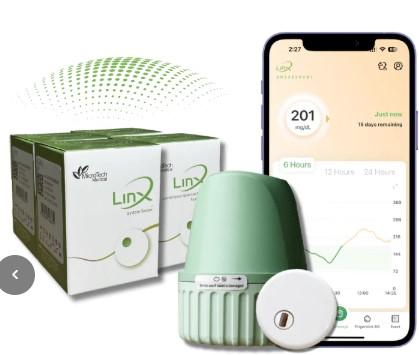
At Linx CGMS, we understand how crucial it is for individuals managing diabetes to monitor their blood glucose levels accurately and efficiently. A best blood glucose monitor is essential for maintaining optimal health and ensuring effective management of your condition. In this blog post, we’ll explore the importance of regular glucose monitoring and how to select the best blood glucose monitor that fits your needs. Whether you’re newly diagnosed or have been managing diabetes for years, this guide will help you make an informed choice.
What is a Blood Glucose Monitor?
A blood glucose monitor (also known as a glucometer) is a device used to measure the amount of glucose (sugar) in your blood. This measurement is crucial for individuals with diabetes, as it helps them understand how their body is handling sugar and provides insights into whether their blood sugar levels are within a healthy range.
Blood glucose monitors are typically used by pricking a fingertip (or another site) to draw a small blood sample, which is then analyzed by the device to provide a reading. Some advanced devices also offer continuous glucose monitoring (CGM), providing real-time data throughout the day and night.
Why Is Monitoring Blood Glucose Important?
Managing blood glucose levels is key to preventing complications that can arise from high or low blood sugar. Consistently high blood sugar levels (hyperglycemia) can lead to long-term complications such as heart disease, kidney damage, and nerve damage. On the other hand, low blood sugar (hypoglycemia) can result in dangerous symptoms like confusion, dizziness, and loss of consciousness.
By regularly monitoring your blood glucose levels, you gain valuable insights into how your body responds to different foods, medications, exercise, and stress. This helps you make better-informed decisions about your diabetes management, ultimately leading to better health outcomes.
How to Choose the Best Blood Glucose Monitor?
Choosing the best blood glucose monitor depends on several factors, including ease of use, accuracy, features, and cost. Below are some key considerations to help you make an informed decision:
1. Accuracy
When it comes to blood glucose monitors, accuracy is the most important factor. You need a device that provides consistent, reliable readings to ensure your diabetes management plan is effective. Look for glucometers that have been clinically validated and approved by regulatory bodies such as the FDA (Food and Drug Administration) in the U.S.
2. Ease of Use
The best blood glucose monitor should be easy to use, especially for those who may not be tech-savvy. Look for devices that offer a simple, user-friendly interface, easy-to-read screens, and minimal steps for taking a reading. Some monitors also come with features like large display screens or voice assistance for people with vision impairments.
3. Test Strip Availability and Cost
Most blood glucose monitors require test strips to perform the blood glucose test. It’s essential to choose a device that uses affordable and readily available test strips. Some glucometers require specific, brand-specific test strips, which can become expensive over time. Therefore, it’s wise to check the ongoing costs of test strips before making a final decision.
4. Blood Sample Size
The amount of blood required for a test varies among different devices. Some glucometers require a larger blood sample, while others can work with just a tiny drop of blood. For those who find finger pricks uncomfortable, choosing a device that requires a smaller blood sample may be more appealing.
5. Memory and Data Storage
Many modern glucose meters have memory storage, allowing you to track your glucose readings over time. This feature is especially useful for monitoring patterns, understanding your trends, and sharing your data with healthcare providers. Look for monitors that store data for at least a week or longer, and ensure they allow easy data transfer to apps or computers for tracking progress.
6. Additional Features
Some blood glucose monitors offer extra features that can enhance your monitoring experience. Continuous glucose monitoring (CGM) systems, for example, track your blood glucose levels throughout the day, providing real-time data and reducing the need for frequent finger pricks. Other features may include:
- Smartphone integration: Syncs data with your phone or health apps for easy tracking.
- Bluetooth technology: Syncs the device with other health devices, such as smartwatches.
- Connectivity with insulin pumps: Allows for easier integration into your diabetes management routine.
7. Size and Portability
For individuals who need to monitor their blood glucose levels on-the-go, portability is an important factor. Many modern glucose meters are compact and portable, making it easy to carry them in your bag or pocket. Ensure that your device is easy to carry and doesn’t take up too much space if you plan on traveling with it.
Popular Types of Blood Glucose Monitors
There are various types of blood glucose monitors available on the market, each with its own set of features and benefits. Here are a few popular types:
1. Standard Blood Glucose Meters
These are the most common type of glucose monitors. They require you to place a small blood sample onto a test strip, which is then inserted into the device for analysis. These meters are typically affordable, reliable, and easy to use.
2. Continuous Glucose Monitors (CGMs)
Continuous glucose monitors offer real-time, continuous tracking of your blood glucose levels. These devices use a small sensor inserted under the skin to monitor glucose levels throughout the day and night. They are ideal for people who need to track their glucose levels continuously and make adjustments to their insulin or lifestyle as needed.
3. Flash Glucose Monitors
Flash glucose monitors, such as the Freestyle Libre, provide continuous glucose monitoring without the need for finger pricks. However, unlike CGMs, flash monitors don’t provide real-time alerts. Instead, users must scan the sensor with a reader or smartphone to view their glucose levels.
Key Considerations for Using a Best Blood Glucose Monitor
Once you’ve chosen the best blood glucose monitor for your needs, it’s important to follow proper testing procedures to ensure accurate results. Here are a few tips:
- Wash your hands before testing to avoid contaminating the sample.
- Use the correct test strip for your device to ensure accurate readings.
- Calibrate your device if needed, following the manufacturer’s instructions.
- Keep track of your readings to identify patterns and trends.
At Linx CGMS, we offer state-of-the-art glucose monitoring solutions designed to make managing diabetes easier and more efficient. Our products are built with accuracy, reliability, and ease of use in mind, making them an ideal choice for individuals who want to take control of their health.
Conclusion: Trust the Best Blood Glucose Monitor for Your Health
Managing diabetes requires consistent, accurate, and reliable monitoring of blood glucose levels. Choosing the best blood glucose monitor is the first step towards taking control of your health. Whether you opt for a traditional glucometer or a continuous glucose monitoring system, the right device will help you track your progress and make informed decisions about your diabetes management.
At Linx CGMS, we provide advanced, high-quality blood glucose monitoring systems that help you manage your diabetes with ease. Our products offer cutting-edge technology, superior accuracy, and seamless integration with your lifestyle, making them the best choice for anyone looking to monitor their blood glucose levels effectively.
Visit Linx CGMS today to learn more about our range of glucose monitoring solutions and take the next step towards better health!