
When it comes to long hours on your feet, the right pair of work boot insoles can make all the difference. Whether you’re standing, walking, or moving around for extended periods, your feet endure tremendous strain. The best work boot insoles offer comfort, cushioning, and support, reducing fatigue and the risk of injury. Here’s a comprehensive guide to help you choose the perfect pair to keep your feet in top shape.
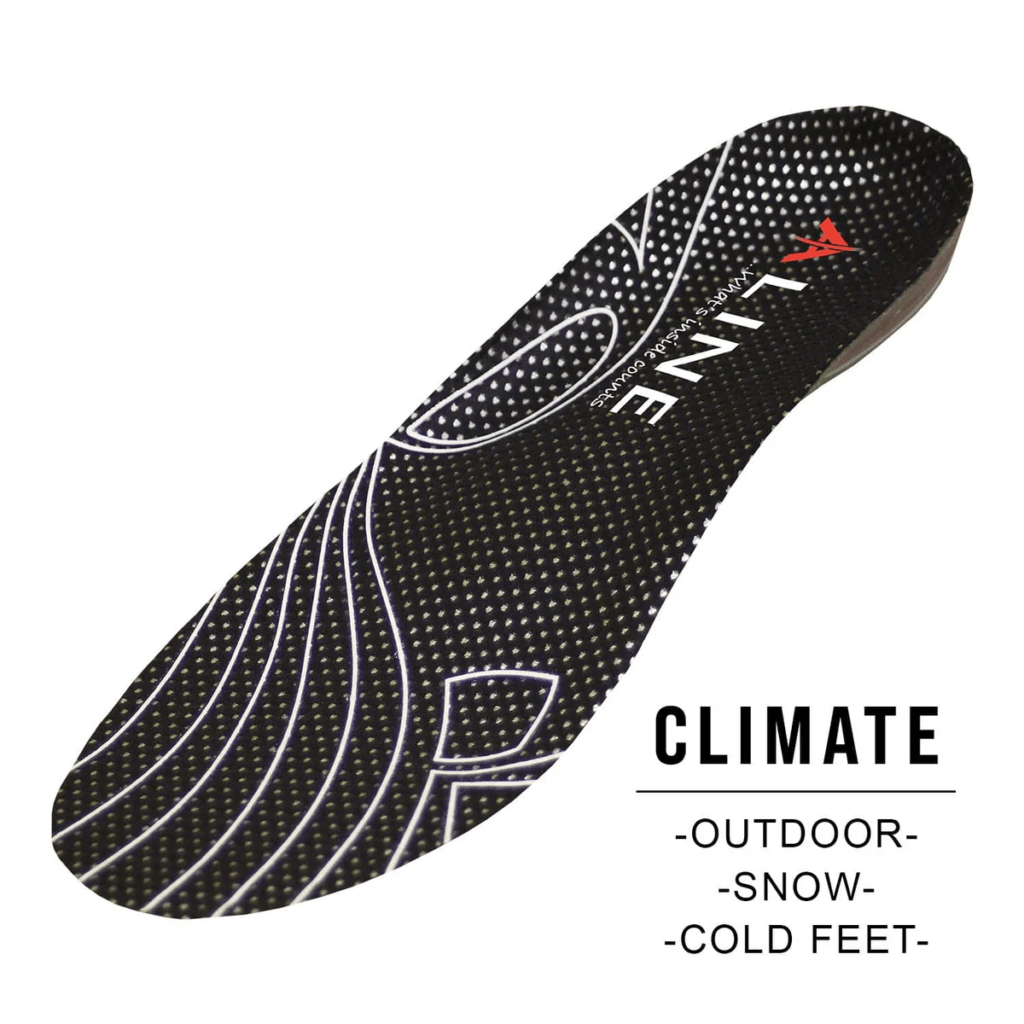
Why You Need Quality Insoles for Work Boots
Work boots are designed for durability, but they often lack the cushioning necessary for all-day wear. Over time, poor support can lead to foot pain, back issues, and even long-term injuries. Quality insoles can help address these problems by providing additional support, reducing pressure, and improving overall comfort.
Types of Insoles for Work Boots
There are several types of insoles designed for different needs. From arch support insoles to those made for shock absorption, each type serves a distinct purpose. Understanding the differences can help you select the right pair for your specific requirements, whether you need extra cushioning, heel support, or enhanced foot alignment.
Benefits of Work Boot Insoles
The primary benefit of work boot insoles is the reduction in foot fatigue. They offer additional cushioning, improve foot posture, and relieve pressure on joints and muscles. Insoles can also help prevent common foot conditions like plantar fasciitis, bunions, and Achilles tendonitis, making them an essential investment for anyone working on their feet for long hours.
Best Materials for Work Boot Insoles
The material of your insoles plays a critical role in comfort and performance. Insoles made from memory foam offer excellent cushioning, while those with gel inserts provide superior shock absorption. Some insoles are crafted from cork or leather for natural arch support, while others use antimicrobial materials to prevent odor buildup.

How to Choose the Right Work Boot Insoles
When selecting work boot insoles, consider factors like the type of arch support, material, and cushioning. You’ll also want to think about your specific foot shape and any existing foot conditions. Insoles designed for flat feet, high arches, or plantar fasciitis can make a significant difference in comfort and pain relief.
Insoles for High Arches
If you have high arches, your feet require insoles with enhanced arch support. Insoles for high arches are specifically designed to maintain proper foot alignment and reduce the risk of overpronation. Look for insoles with a firm yet cushioned arch, which can distribute weight evenly and reduce strain on your feet.
Insoles for Flat Feet
People with flat feet often experience foot pain due to lack of arch support. Insoles for flat feet can help by providing structured support that lifts the arch and prevents overpronation. These insoles also stabilize the foot, reduce pressure on the heel and ball, and improve overall comfort during long hours of standing.
Shock-Absorbing Insoles
Shock-absorbing insoles are ideal for those who work on hard surfaces all day. These insoles cushion the impact of each step, reducing stress on your feet, ankles, and knees. They are especially beneficial for construction workers, warehouse employees, and anyone who spends most of the day walking on concrete floors.

Orthotic Insoles for Work Boots
Orthotic insoles are designed to correct foot posture and alleviate pain caused by various foot conditions. These insoles can be custom-made or purchased over-the-counter, and they’re ideal for individuals dealing with plantar fasciitis, bunions, or Achilles tendonitis. Orthotic insoles provide the right balance of support and comfort for prolonged wear.
Insoles for Plantar Fasciitis Relief
Plantar fasciitis is a common condition that causes heel pain, especially in the morning. Insoles designed for plantar fasciitis provide extra cushioning in the heel area and offer arch support to reduce strain on the plantar fascia. These insoles are ideal for workers who experience persistent heel pain due to long hours on their feet.
Best Insoles for Standing All Day
If you stand all day, you need insoles that provide all-around comfort and support. Look for insoles with thick cushioning, arch support, and moisture-wicking materials to keep your feet dry and comfortable. Insoles that offer both cushioning and support will help reduce foot fatigue and improve posture, keeping you comfortable throughout your shift.
Gel vs. Foam Insoles: Which is Better?
Gel and foam insoles both offer distinct benefits. Gel insoles provide excellent shock absorption, making them ideal for people who work on hard surfaces. Foam insoles, especially memory foam, conform to the shape of your feet, offering personalized cushioning and support. Choosing between the two depends on your specific comfort and support needs.
How to Properly Fit Insoles in Your Work Boots
Proper fit is essential for maximizing the benefits of work boot insoles. To ensure a snug fit, remove the existing insoles from your work boots before inserting the new ones. Trim the insoles if necessary, following the size guidelines provided. Make sure the insoles sit flat in the boots and feel comfortable without shifting as you walk.
FAQs
What are the best insoles for long hours of standing?
The best insoles for standing long hours should provide both cushioning and support. Look for insoles made from memory foam or gel, with built-in arch support to reduce foot fatigue and prevent strain on joints.
Can insoles help with plantar fasciitis?
Yes, insoles specifically designed for plantar fasciitis offer enhanced heel cushioning and arch support to reduce tension on the plantar fascia. They can help alleviate pain and prevent the condition from worsening.
How often should I replace my work boot insoles?
You should replace your work boot insoles every 6 to 12 months, depending on the level of wear and tear. Signs that it’s time for a replacement include thinning, loss of support, and reduced comfort.