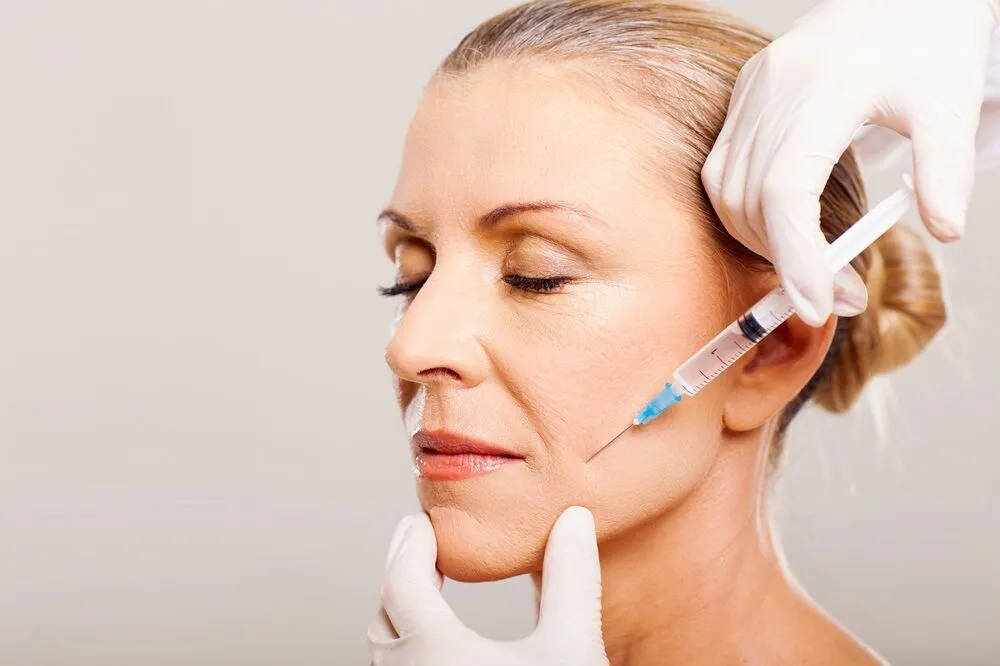
Botox, a shortened form of botulinum toxin, has become a household name in the world of cosmetic procedures. This neurotoxin, derived from a bacterium, has the remarkable ability to temporarily paralyze muscles, making it a popular choice for smoothing wrinkles and addressing various medical conditions.
How Does Botox Work?
When injected into specific muscles, Botox blocks nerve signals, preventing muscle contraction. This paralysis effect relaxes the muscles, leading to a smoothing of the overlying skin.
Cosmetic Uses of Botox
- Wrinkle Reduction: Botox is most commonly used to reduce the appearance of dynamic wrinkles, those caused by facial expressions. These include:
- Frown lines between the eyebrows
- Forehead lines
- Crow’s feet around the eyes
- Prevention: For younger individuals, Botox can be used as a preventative measure to delay the onset of wrinkles.
Medical Uses of Botox
Beyond its cosmetic applications, Botox has a range of medical uses:
- Hyperhidrosis (Excessive Sweating): Botox can be injected into the underarms, palms, or soles of the feet to block the nerves that stimulate sweat glands.
- Chronic Migraine: For individuals with chronic migraines, Botox injections into specific head and neck muscles can help reduce the frequency and severity of headaches.
- Muscle Spasms: Botox can be used to treat muscle spasms caused by neurological conditions like cervical dystonia (neck spasms) and blepharospasm (eyelid spasms).
- Overactive Bladder: Botox injections into the bladder muscle can help relax the bladder and reduce the frequency of urinary urgency and incontinence.
The Botox Procedure
A Botox treatment is a minimally invasive procedure typically performed in a doctor’s office. The doctor will inject small amounts of Botox into the targeted muscles using a fine needle. The procedure is relatively quick and painless.
Results and Side Effects
The effects of Botox typically begin to appear within a few days and can last for several months. Common side effects include:
- Temporary bruising or swelling at the injection site
- Mild headache
- Flu-like symptoms
In rare cases, more serious side effects, such as drooping eyelids or difficulty swallowing, can occur. It’s crucial to choose a qualified and experienced healthcare provider to minimize the risk of complications.
Is Botox Right for You?
While Botox is a safe and effective treatment for many, it’s not suitable for everyone. Ideal candidates are generally in good health and have realistic expectations about the results. It’s essential to consult with a healthcare professional to determine if Botox is right for you.
By understanding how Botox works and its various applications, you can make an informed decision about whether this treatment is suitable for your individual needs.