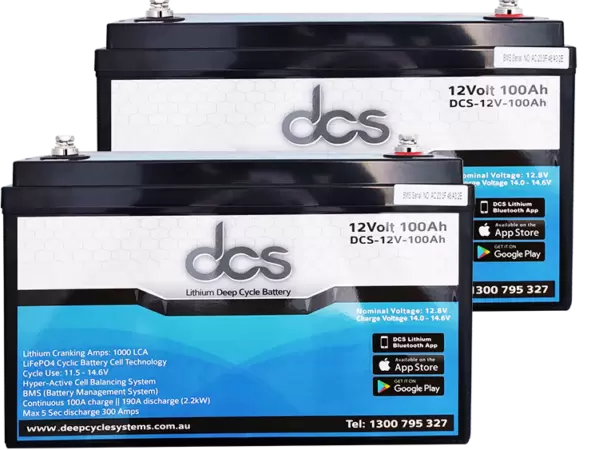
Understanding lithium batteries involves their construction, functionality, and benefits over traditional battery types. These batteries utilise lithium-ion technology, which provides higher energy density, longer lifespan, and greater efficiency. Unlike lead-acid batteries, lithium batteries can deliver consistent power output without significant voltage drops, ensuring your marine equipment performs optimally.
Another advantage is their rapid charging capability, reducing downtime between trips. Furthermore, Lithium Marine Battery has a lower self-discharge rate, meaning they retain their charge better when not used. This feature particularly benefits seasonal boaters who may not use their vessels regularly. Understanding these core attributes helps us appreciate why lithium batteries are becoming the preferred choice for many boat owners.
Variations in Types of Lithium Batteries
When it comes to lithium-ion marine batteries, there are several options, each with distinct characteristics that cater to various needs. Among the most common types are lithium iron phosphate (LiFePO4) and lithium nickel manganese cobalt oxide (NMC). LiFePO4 batteries are highly regarded for their exceptional stability and safety, making them particularly suitable for heavy-duty marine applications where reliability is crucial.
These batteries also boast a longer lifespan and superior thermal stability, ensuring consistent performance under demanding conditions. On the other hand, NMC batteries are known for their higher energy density, which is advantageous for smaller vessels requiring a more compact power source. This higher energy density allows NMC batteries to deliver substantial power in a smaller package, making them ideal for space-constrained environments.
Additionally, NMC batteries can provide a higher discharge rate, offering enhanced performance during high-demand situations. The decision between these two types of batteries hinges on specific marine requirements and usage patterns, including factors such as available space, weight constraints, and overall energy needs. Understanding these considerations helps select the most appropriate battery technology to ensure optimal performance and safety for marine applications.
Determining the Capacity and Power of Marine Lithium Batteries
Determining your vessel’s appropriate capacity and power output involves carefully assessing your energy needs. Capacity, measured in amp-hours (Ah), reflects the total energy a battery can store. Meanwhile, power output, indicated in watts, denotes the energy the battery can deliver at a given moment.
To select the right capacity, calculate your vessel’s total energy consumption by summing the power requirements of all onboard equipment and estimating their usage duration. For instance, if your navigation system consumes 50 watts and runs for 5 hours, it will require 250 watts of energy.
Also, consider the peak power demands, such as starting the engine or operating heavy-duty equipment, which might require a battery with a higher instantaneous power output. Furthermore, considering your boating habits, such as the length of typical journeys and frequency of use, will help tailor your battery choice to your specific needs.
Remember that lithium batteries often have a higher usable capacity than traditional batteries, allowing for more efficient use of stored energy. Ensure your chosen battery can handle the load without frequent deep discharges, which can affect longevity and performance.
Examining the Longevity and Durability of Lithium Ion Marine Batteries
Lithium-ion marine batteries are known for their exceptional longevity, often outlasting traditional lead-acid counterparts considerably. The longevity of these batteries can be attributed to several factors, including their robust construction and advanced technology. Temperature management is crucial, as extreme conditions can impact the battery’s lifespan. Maintaining an optimal operating temperature helps ensure consistent performance over time. Depth of discharge also plays a role; shallow discharges are less taxing on the battery and can significantly extend its life.
Furthermore, lithium-ion batteries benefit from precise charging practices. Using a charger designed specifically for Lithium Ion Marine Batteries help avoid overcharging, which can degrade battery cells. Regular battery health monitoring is facilitated by built-in battery management systems (BMS), which oversee key parameters and prevent conditions that could lead to premature wear.
Proper storage, especially during off-season periods, involves keeping the battery in a cool, dry place and ensuring it is partially charged. This attention to detail in usage and maintenance ensures that lithium-ion marine batteries remain reliable and durable, providing consistent power for aquatic adventures over many years.
Importance of Weight and Size in Marine Battery Selection
When choosing a lithium battery, the weight and size play a significant role. Lithium batteries, much lighter than lead-acid batteries, can greatly enhance your vessel’s speed and fuel efficiency. This reduced weight contributes to better overall performance and handling, making your boating experience more enjoyable and efficient.
Furthermore, the compact size of lithium batteries offers increased flexibility in terms of placement. For vessels with limited space, this compactness allows for more strategic positioning of the battery, freeing up valuable room for other essential equipment and optimising the boat’s layout. Considering how these attributes align with your vessel’s design and operational needs, you can ensure a suitable battery choice that enhances performance and functionality. Installing the battery in various locations is especially advantageous, as it allows for a more organised and efficient use of space.
Every inch of your vessel can be utilised effectively, ensuring all equipment is easily accessible and properly arranged. Selecting a lithium battery that aligns with your vessel’s design considerations improves performance and contributes to a more streamlined and efficient boating experience. Therefore, understanding the importance of weight and size in battery selection is crucial for optimising your boat’s capabilities and ensuring a smooth and enjoyable journey on the water.
Safety Innovations in Modern Lithium Marine Batteries
Modern lithium batteries are designed with numerous features to ensure they operate reliably and safely, offering peace of mind for marine enthusiasts. Below are some key safety innovations integrated into these advanced batteries.
Built-In Battery Management Systems (BMS)
One of the most important safety features in modern lithium marine batteries is the Battery Management System (BMS). The BMS continuously monitors key parameters like voltage, temperature, and current, helping to prevent overcharging, overheating, and short-circuiting. This intelligent system ensures the battery operates within safe limits, reducing the risk of damage or failure.
Thermal Management Solutions
Lithium batteries often come with thermal management systems that maintain them within optimal temperature ranges. By preventing overheating, these systems significantly reduce the chances of thermal runaway, a dangerous condition in which the battery’s temperature increases uncontrollably, potentially leading to a fire or explosion.
Robust Construction for Physical Protection
The construction of modern lithium batteries is designed to withstand physical impact and resist damage. Manufacturers use high-quality materials and durable casing to ensure the battery can endure rough marine environments without compromising performance or safety.
Use of Compatible Chargers
To maintain optimal safety, it’s crucial to use chargers specifically designed for lithium batteries. Using the wrong charger could lead to electrical imbalances, which can pose safety risks, including the potential for overcharging or battery malfunction.
Proper Storage Practices
Lithium batteries should be stored in cool, dry environments away from direct sunlight for maximum safety. Proper storage helps prevent battery deterioration and extends their life, ensuring reliable power when needed.
By following these safety measures, you can enjoy the full benefits of lithium batteries while minimising potential risks.
Evaluating the Cost and Value of Lithium Ion Marine Battery Investments
Lithium batteries may have a higher upfront price, but their long-term advantages make them a worthwhile investment. The extended lifespan of these batteries means fewer replacements over time, reducing overall expenditure. Additionally, their high efficiency and rapid charging capabilities minimise downtime, allowing for more frequent use of your vessel.
Maintenance costs are also lower, as Lithium Ion Marine Battery requires less upkeep than traditional lead-acid options. The reduced weight and compact size contribute to better fuel efficiency and performance, offering further savings. When evaluating cost, it’s essential to consider the overall value these batteries bring, not just in terms of immediate expenditure but in enhancing your boating experience through reliable, efficient power supply.
Conclusion
Choosing the right lithium marine battery for your vessel requires a nuanced understanding of various factors, ensuring you make an informed decision that enhances both performance and safety. Lithium batteries offer significant energy density and lifespan advantages, making them a superior choice over traditional lead-acid batteries. With types such as lithium iron phosphate (LiFePO4) and lithium nickel manganese cobalt oxide (NMC), you can select a battery that aligns with your vessel’s specific needs, whether it be stability and safety or higher energy density. Careful assessment of your energy requirements is crucial.
FAQs
What makes Lithium Marine Battery better than traditional options?
Lithium Marine Battery is known for their superior efficiency, lightweight nature, and extended lifespan. They provide consistent power output and rapid charging capabilities, reducing downtime.
How do I determine the right battery capacity for my boat?
To determine the correct battery capacity, assess your vessel’s total energy consumption by adding up the power requirements of all onboard equipment and estimating their usage duration. This ensures your chosen battery can meet your needs without frequent deep discharges.
Are lithium-ion marine batteries safe to use on boats?
Modern lithium-ion marine batteries are designed with numerous safety features, including battery management systems (BMS) that monitor voltage, temperature, and current to prevent overcharging, overheating, and short-circuiting.
Do lithium batteries require special maintenance?
While lithium batteries require less maintenance than traditional lead-acid batteries, they must be stored properly and charged using chargers specifically designed for them. Regular monitoring and adherence to recommended charging practices can maximise their longevity.
Is the cost of a lithium battery worth the investment?
Although the initial cost is higher, the long-term benefits, such as reduced maintenance, extended lifespan, and improved fuel efficiency, make lithium batteries a cost-effective choice for many boat owners. Their reliable and efficient power supply enhances the overall boating experience.
| Related Business Listings |
| Contact Directory |
| Local Business Profiles |