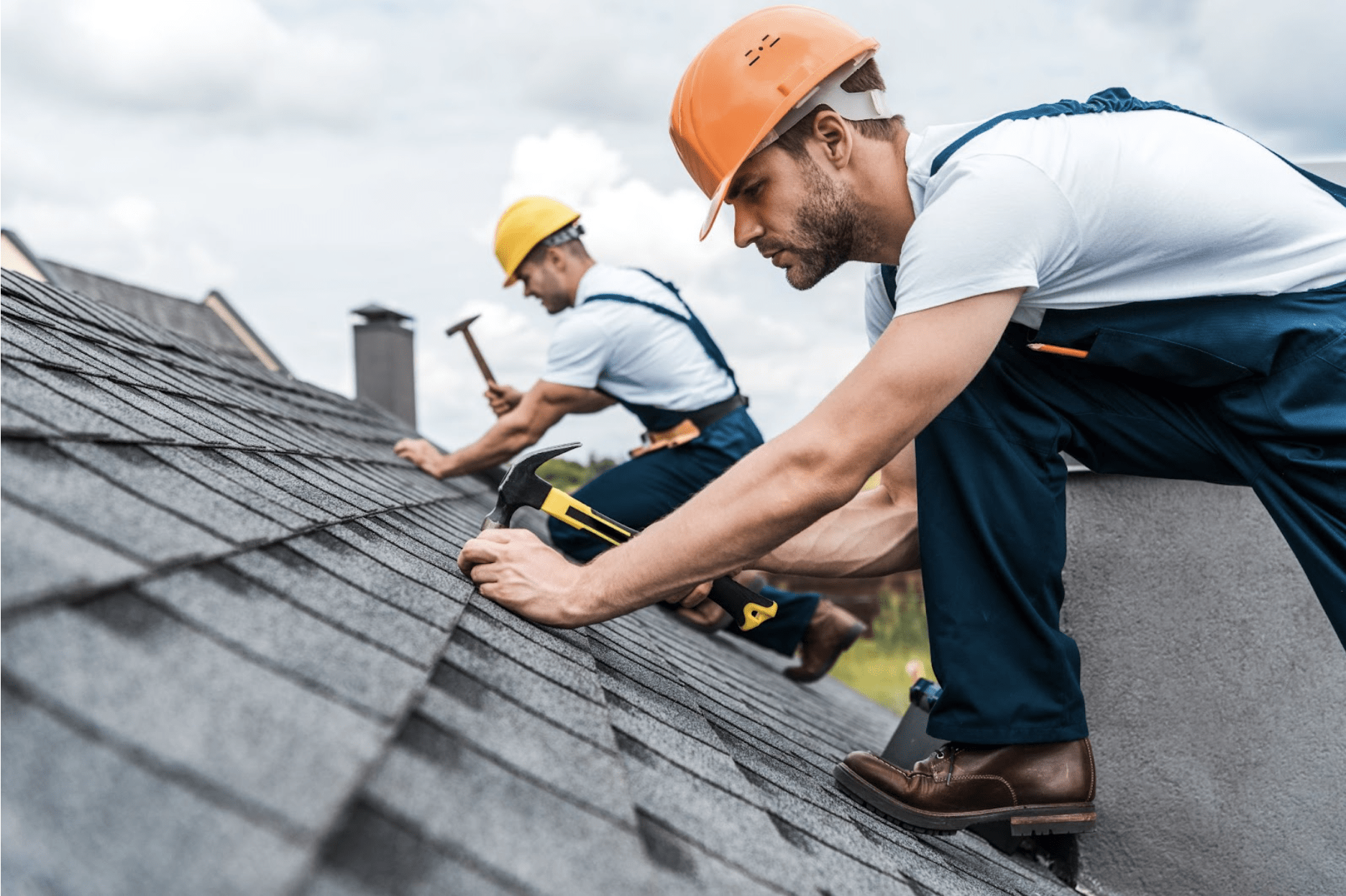
Introduction to Roof Shingles
When it comes to protecting your home, roof shingles are the unsung heroes that shield us from the elements. But have you ever stopped to wonder how these essential components of your roof are made? Understanding the intricate process behind roof shingles not only satisfies curiosity but also empowers homeowners to make informed decisions about their roofing choices.
From classic asphalt varieties to innovative metal options, each type of shingle brings its own character and benefits. As we explore the materials used and delve into the manufacturing processes, you’ll gain insight into what makes one shingle better suited for your needs than another. So let’s embark on this journey through the world of roof shingles and discover what goes into making them a vital part of our homes!
The Materials Used in Making Roof Shingles
Roof shingles are crafted from a variety of materials, each offering unique benefits. Asphalt is the most common choice due to its affordability and versatility. It’s made from a mixture of asphalt and fiberglass or organic felt. This combination ensures durability while remaining lightweight.
Wood shingles, often sourced from cedar, provide a natural aesthetic for homes seeking charm and character. They can be prone to rot but treatable with preservatives.
Metal shingles come in aluminum or steel options, promising longevity and resistance against extreme weather conditions. Their reflective properties also enhance energy efficiency.
Slate shingles are incredibly durable but tend to be pricier. They bring an elegant look that many homeowners appreciate despite needing extra structural support due to their weight.
Each material brings distinct qualities that cater to different needs, preferences, and budgets in the world of roofing solutions.
The Manufacturing Process of Roof Shingles
The manufacturing process of roof shingles is intricate and fascinating. It typically begins with the selection of materials, most commonly asphalt, fiberglass, or wood.
For asphalt shingles, large rolls of felt are coated with a mixture of asphalt and mineral fillers. This creates a durable base for the shingles. Next comes the addition of granules that provide color and UV protection.
Fiberglass shingles undergo a similar approach but start with a fiberglass mat instead of felt. This enhances strength while reducing weight.
Wooden shingles are crafted from cedar or redwood trees, meticulously cut into uniform shapes before being treated to resist decay.
Once shaped and treated, all types go through quality control checks to ensure durability and adherence to standards. The final step involves packaging them for distribution—a key moment when those vibrant bundles head out to become part of countless homes across the country.
Different Types of Roof Shingles
Roof shingles come in various types, each catering to different aesthetic preferences and functional needs. Asphalt shingles are the most common choice due to their affordability and ease of installation. They offer a good balance between durability and cost.
Wood shingles bring a natural look to homes but require more maintenance than asphalt options. Their charm is undeniable, making them popular for traditional-style houses.
For those seeking longevity, metal shingles are an excellent option. They can withstand harsh weather conditions and often last much longer than other materials.
Slate roof shingles provide an upscale appearance with exceptional durability. However, they can be heavy and may require additional structural support.
Synthetic roofing products mimic the appearance of wood or slate while offering enhanced performance and lower weight. Each type has its unique appeal, making it essential to choose wisely based on your specific requirements.
Benefits and Drawbacks of Each Type
Asphalt shingles are popular for their affordability and ease of installation. They come in a variety of styles and colors, making them versatile for many homes. However, they have a shorter lifespan compared to other materials, typically lasting around 15 to 30 years.
Wood shingles offer natural beauty and excellent insulation properties. Their rustic appeal can enhance the charm of any house. On the downside, they require more maintenance and are susceptible to rot if not properly cared for.
Metal shingles boast durability and resistance to harsh weather conditions. They can last up to 50 years or longer with minimal upkeep. The drawback? Initial costs can be higher than traditional asphalt options.
Slate shingles provide unmatched elegance and longevity but demand substantial investment upfront. Additionally, their weight requires reinforced roofing structures that might increase overall renovation expenses.
Each type has its merits and challenges; understanding these helps homeowners make informed choices tailored to their needs.
Why Understanding the Making of Roof Shingles Matters
Understanding how roof shingles are made is crucial for any homeowner. It sheds light on the quality and durability of your roofing system.
Knowing the materials involved helps you make informed choices. Different shingles offer varying levels of resistance to weather, fire, and impact. This knowledge can save you money in repairs down the line.
Moreover, awareness of manufacturing processes aids in identifying sustainable options. Eco-friendly shingles are gaining popularity, appealing to those who prioritize environmental responsibility.
Additionally, understanding production techniques allows homeowners to appreciate craftsmanship. Quality roofing enhances not just aesthetics but also overall property value.
When you’re aware of what goes into your shingles, it empowers better discussions with contractors or builders about maintenance and installation needs. Building a home means making informed decisions—roofing is no exception.
Factors to Consider When Choosing Roof Shingles
Choosing the right roof shingles involves several important factors. First, consider your local climate. Some materials perform better in extreme weather conditions than others.
Next, think about durability and lifespan. Asphalt shingles are popular due to their affordability, but they may not last as long as metal or slate options.
Aesthetic appeal is another key factor. Shingle color and texture should complement your home’s architecture while also aligning with neighborhood styles.
Budget plays a crucial role too. Higher-quality materials come with a price tag but often provide better protection and longer warranties.
Don’t forget energy efficiency! Certain shingle types reflect sunlight, helping to maintain comfortable indoor temperatures.
Check for installation requirements and maintenance needs. Some materials require more upkeep than others, which can impact long-term costs.
Proper Installation and Maintenance Tips with Petes Builder Commercial
Choosing the right roof shingles is just one part of ensuring your home stays protected. Proper installation and maintenance are equally crucial. Petes Builder Commercial emphasizes that correct installation can significantly extend the life of your roofing materials.
First, always hire certified professionals for installation to avoid costly mistakes. They have the expertise to navigate local building codes and ensure that everything meets safety standards.
Regular inspections are essential in maintaining roof shingles. Look for signs of wear or damage, such as curled edges or missing pieces. Cleaning debris off your roof will help prevent mold growth and other issues.
Another important tip is to keep gutters clean and functioning properly. Clogged gutters can lead to water buildup on your roof, increasing the risk of leaks.
Consider professional maintenance services for periodic check-ups. This proactive approach helps catch potential problems early before they escalate into expensive repairs.
Taking these steps ensures you get the maximum lifespan out of your chosen roof shingles while keeping your home safe and secure year-round.