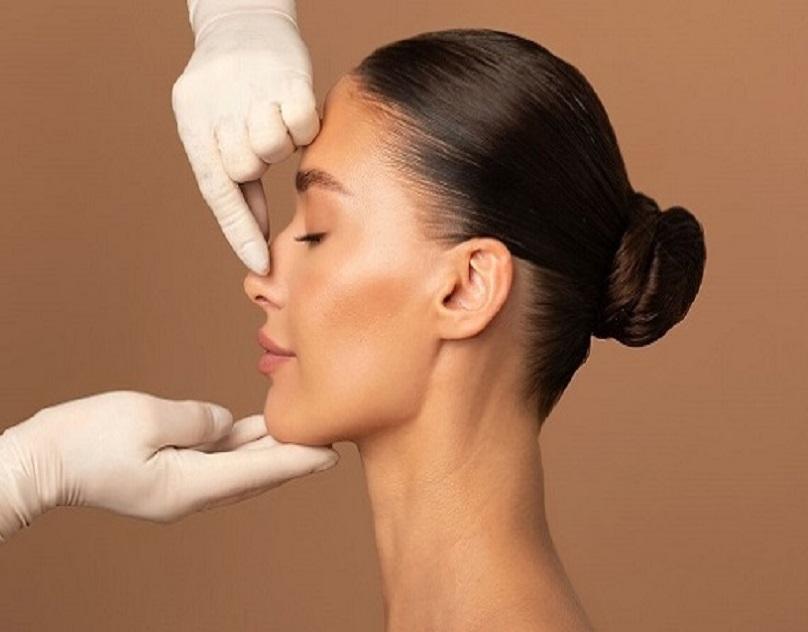
Rhinoplasty in Islamabad is a widely performed cosmetic and functional procedure aimed at reshaping or correcting the nose. Whether it’s for aesthetic refinement or to address breathing difficulties, the surgery has the potential to transform lives. However, like all surgical procedures, rhinoplasty is not without risks. Understanding the possible complications can help patients prepare better and make more informed decisions.
In this guide, we will explore the common complications associated with Rhinoplasty in Islamabad, what causes them, and how they can be avoided or managed effectively.
1. Swelling and Bruising
What Happens:
Postoperative swelling and bruising are among the most common side effects of rhinoplasty. These typically occur around the nose and under the eyes.
Why It Happens:
Swelling is a normal part of the healing process. Blood vessels and tissues are disrupted during surgery, leading to fluid retention and discoloration.
Management:
- Cold compresses in the initial 48 hours
- Keeping the head elevated while sleeping
- Anti-inflammatory medications (only as prescribed)
While swelling subsides significantly within a few weeks, full resolution can take up to a year.
2. Breathing Difficulties
What Happens:
Some patients experience nasal obstruction or difficulty breathing through the nose after surgery.
Why It Happens:
This could be due to:
- Swelling inside the nasal passages
- Over-resection of nasal cartilage
- Formation of scar tissue
Management:
Breathing usually improves as swelling reduces. However, if obstruction persists, a revision surgery might be necessary to correct the internal structures.
3. Infection
What Happens:
Infection is rare but remains a possibility after any surgical procedure, including rhinoplasty.
Why It Happens:
It may occur due to:
- Poor hygiene after surgery
- Exposure to contaminated environments
- Pre-existing health conditions that impair immunity
Management:
- Prescribed antibiotics
- Drainage in case of abscess
- Revisiting the surgeon for evaluation if symptoms like fever, redness, or pus occur
4. Scarring
What Happens:
Scarring is generally minimal in closed rhinoplasty. However, open rhinoplasty may leave a small scar on the columella.
Why It Happens:
This can occur if:
- The incision doesn’t heal well
- The patient picks at the wound
- There’s an underlying skin condition
Management:
- Silicone-based scar gels
- Laser treatments if scars are raised or pigmented
- Patience, as scars often fade over time
5. Asymmetry or Unsatisfactory Aesthetic Results
What Happens:
Sometimes the nose may appear asymmetrical or the final look may not align with the patient’s expectations.
Why It Happens:
- Natural healing process alters the final outcome
- Inaccurate surgical technique
- Anatomical limitations
Management:
- Wait at least a year before assessing final results
- If needed, consult for revision rhinoplasty to refine the shape
This is one of the leading causes of patient dissatisfaction post-surgery and emphasizes the importance of choosing an experienced surgeon.
6. Numbness or Loss of Sensation
What Happens:
Temporary numbness around the nose or upper lip is fairly common.
Why It Happens:
The small nerves in the surgical area may get disturbed during the procedure.
Management:
- Sensation typically returns within a few weeks to months
- No specific treatment is usually required unless nerve damage is severe
Permanent numbness is rare.
7. Septal Perforation
What Happens:
A hole or perforation in the septum can occur in rare cases.
Why It Happens:
- Overcorrection during septoplasty
- Infection
- Poor surgical technique
Management:
- Small perforations might not need treatment
- Larger ones may require surgical repair
- Symptoms like whistling sounds while breathing, crusting, or bleeding should not be ignored
8. Prolonged Healing Time
What Happens:
Healing doesn’t follow the typical timeline and extends beyond normal expectations.
Why It Happens:
- Smoking
- Poor general health
- Ignoring post-op instructions
Management:
- Follow-up care with the surgeon
- Healthy diet and hydration
- Avoid smoking and alcohol
Patience is essential, especially in complex or revision cases.
9. Skin Discoloration
What Happens:
Skin over the nose may appear red or darker post-surgery.
Why It Happens:
- Trauma from surgery
- Excessive sun exposure during healing
- Bruising that takes time to resolve
Management:
- Sunblock and sun avoidance
- Time—skin tone usually normalizes within weeks or months
10. Psychological Distress
What Happens:
Patients may feel emotionally unsettled after surgery.
Why It Happens:
- Unrealistic expectations
- Changes in appearance take time to adjust to
- Temporary side effects may cause stress
Management:
- Preoperative counseling
- Open communication with your surgeon
- Support from family or a therapist
Mental health is as important as physical recovery in achieving satisfaction with the results.
Minimizing the Risk of Complications
While complications are possible, their occurrence can be significantly minimized through:
- Choosing a qualified and experienced surgeon
- Having a detailed pre-operative consultation
- Following post-operative care guidelines strictly
- Avoiding smoking and alcohol
- Keeping regular follow-up appointments
Patients in Islamabad are advised to do thorough research and consult certified experts before proceeding with rhinoplasty.
Conclusion: Trust the Right Experts for a Safe Experience
Understanding the potential complications of rhinoplasty empowers you to make better choices and prepare for a smooth recovery. Though most complications are rare and manageable, being aware of them ensures realistic expectations and proactive care.
To reduce risks and ensure top-quality results, always choose a trusted name in the field like Dynamic Clinic. With a team of highly qualified surgeons, patient-centric care, and advanced techniques, they prioritize both safety and aesthetics in every rhinoplasty procedure.
By staying informed and choosing the right clinic, your rhinoplasty experience in Islamabad can be both rewarding and complication-free